
 Save
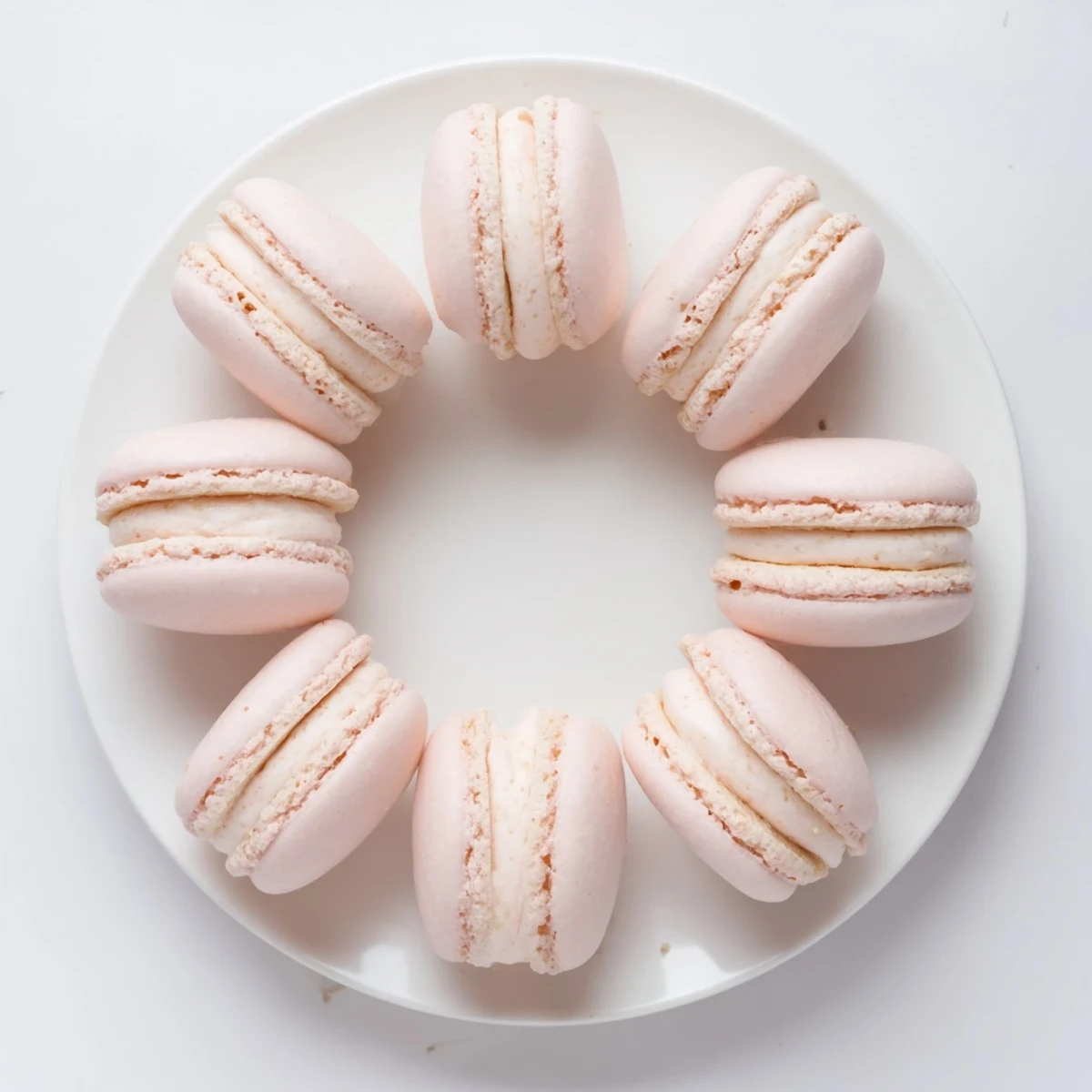
Save French macarons are delicate almond meringue cookies featuring crisp exteriors and chewy interiors, sandwiched with creamy fillings. The process involves whisking aged egg whites with granulated sugar until stiff peaks form, then gently folding in sifted almond flour and powdered sugar through a technique called macaronage. Achieving the perfect batter consistency—flowing in thick ribbons—is crucial for developing those signature ruffled feet during baking.
After piping and resting to form a skin, the shells bake at low temperature until they develop feet and lift cleanly from the parchment. Fill with classic vanilla buttercream, ganache, or jam. These elegant confections require patience but reward with stunning results perfect for special occasions or afternoon tea.
My third attempt at macarons produced something resembling tiny alien spaceship feet, and I called my sister at 11pm demanding she come witness the miracle. That perfect little ruffle at the base of each shell had finally appeared after I learned that patience with the resting stage is non-negotiable.
I made these for my cousins wedding shower last spring, piping tiny pastel shells in her wedding colors until my hand actually cramped. Watching people light up when they bit into that first perfect macaron made every failed batch worth it.
Ingredients
- Fine almond flour: The fineness of your almond flour makes or breaks these smooth shells
- Powdered sugar: Essential for that signature delicate texture we are chasing
- Aged egg whites: Leaving whites at room temperature overnight dramatically improves stability
- Granulated sugar: Creates the structure needed for those famous feet to form
- Cream of tartar: Insurance policy for days when humidity tries to sabotage your meringue
- Unsalted butter: Room temperature butter blends into the smoothest filling imaginable
- Pure vanilla extract: Quality matters here since vanilla shines in simple buttercream
Instructions
- Prep your station:
- Line baking sheets with parchment or silicone mats and fit your piping bag with a round tip before you start making the batter.
- Sift dry ingredients:
- Combine almond flour and powdered sugar, then sift together to catch any coarse bits that would ruin the smooth surface.
- Whip the meringue:
- Beat egg whites until foamy, add cream of tartar, then gradually pour in granulated sugar until glossy stiff peaks form.
- Master the fold:
- Gently fold the dry mixture into the meringue in thirds until the batter flows like thick ribbons and can form a figure eight without breaking.
- Add color if desired:
- Fold in gel food coloring now, avoiding liquid coloring which throws off the delicate moisture balance.
- Pipe perfect circles:
- Transfer batter to your piping bag and hold it vertically to pipe uniform circles onto your prepared sheets.
- Release trapped air:
- Firmly tap each sheet against the counter multiple times, then use a toothpick to pop any remaining visible bubbles.
- Develop the skin:
- Let shells rest uncovered until touching the surface leaves no residue on your finger, usually thirty to sixty minutes.
- Bake to perfection:
- Preheat oven to 150°C (300°F) and bake one tray at a time for twelve to fifteen minutes until feet form and shells lift cleanly.
- Cool completely:
- Let shells cool completely on the baking sheets before attempting to remove them or they will stick stubbornly.
- Prepare the filling:
- Beat softened butter until creamy, then gradually add powdered sugar, vanilla, salt, and milk until smooth and pipeable.
- Assemble the macarons:
- Pair similarly sized shells, pipe buttercream onto half of them, then gently sandwich with their matching tops.
- The maturation miracle:
- Refrigerate assembled macarons in an airtight container for twenty four hours for the best texture and flavor development.
 Save
Save My aunt still talks about the rose macarons I brought to her birthday tea three years ago. Something about those little sandwich cookies makes people feel celebrated in a way no other dessert quite achieves.
Getting the Perfect Feet
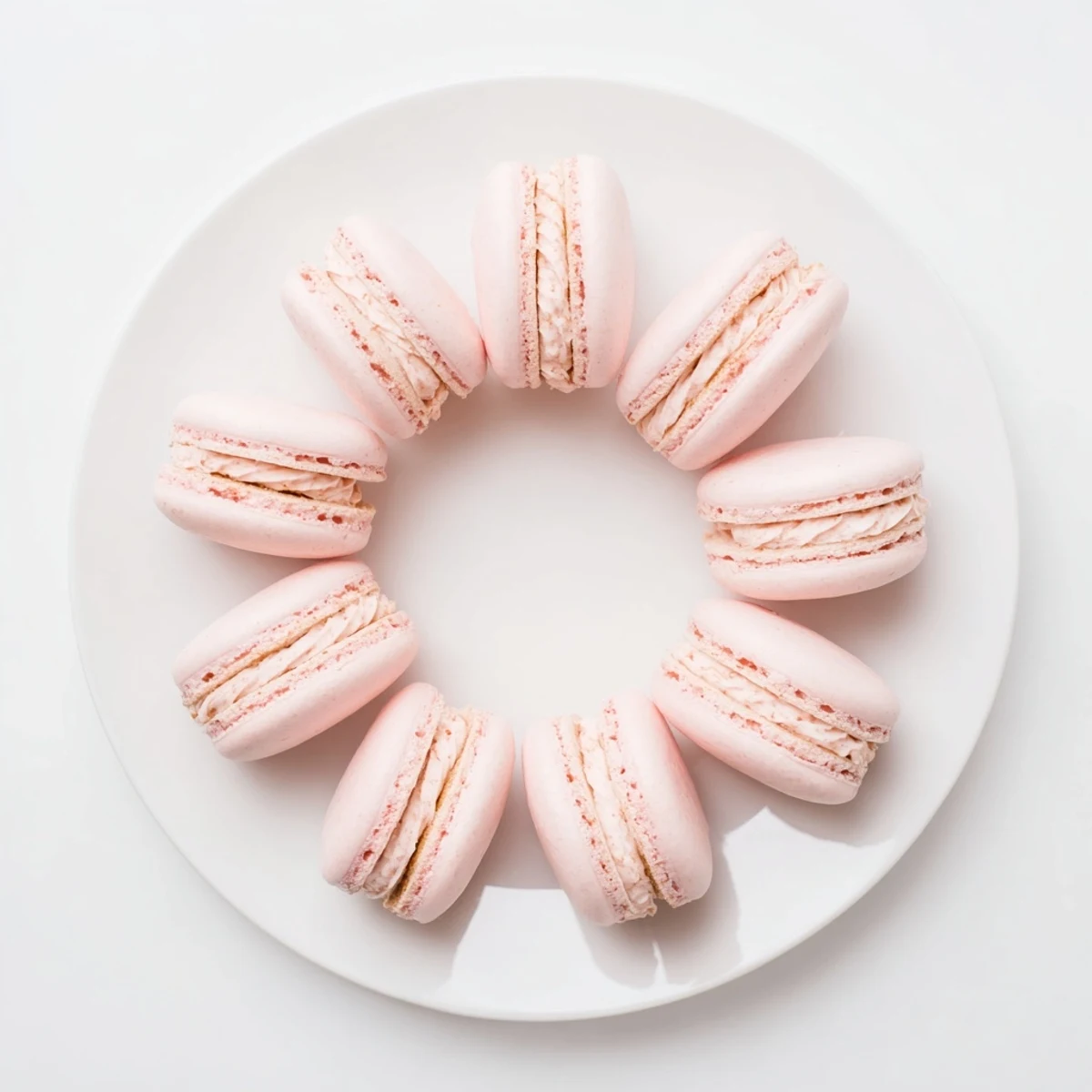
The feet that form during baking are what separate amateur attempts from professional looking macarons. I learned that proper resting time and gentle tapping to remove air bubbles are the two secrets to consistent feet formation every single time.
Filling Variations
While vanilla buttercream is classic, the filling possibilities are endless once you master the basic shell technique. Lemon curd brings brightness, chocolate ganache adds richness, and fruit preserves offer tart contrast to the sweet shells.
Storage and Serving
Proper storage transforms good macarons into great ones through essential moisture redistribution. Let them come to room temperature before serving so the filling softens slightly and the shells regain their perfect crisp exterior.
- Store in a single layer to prevent the delicate shells from cracking
- Consume within five days for optimal texture and flavor
- Freeze unfilled shells for up to three months if you want to prep ahead
 Save
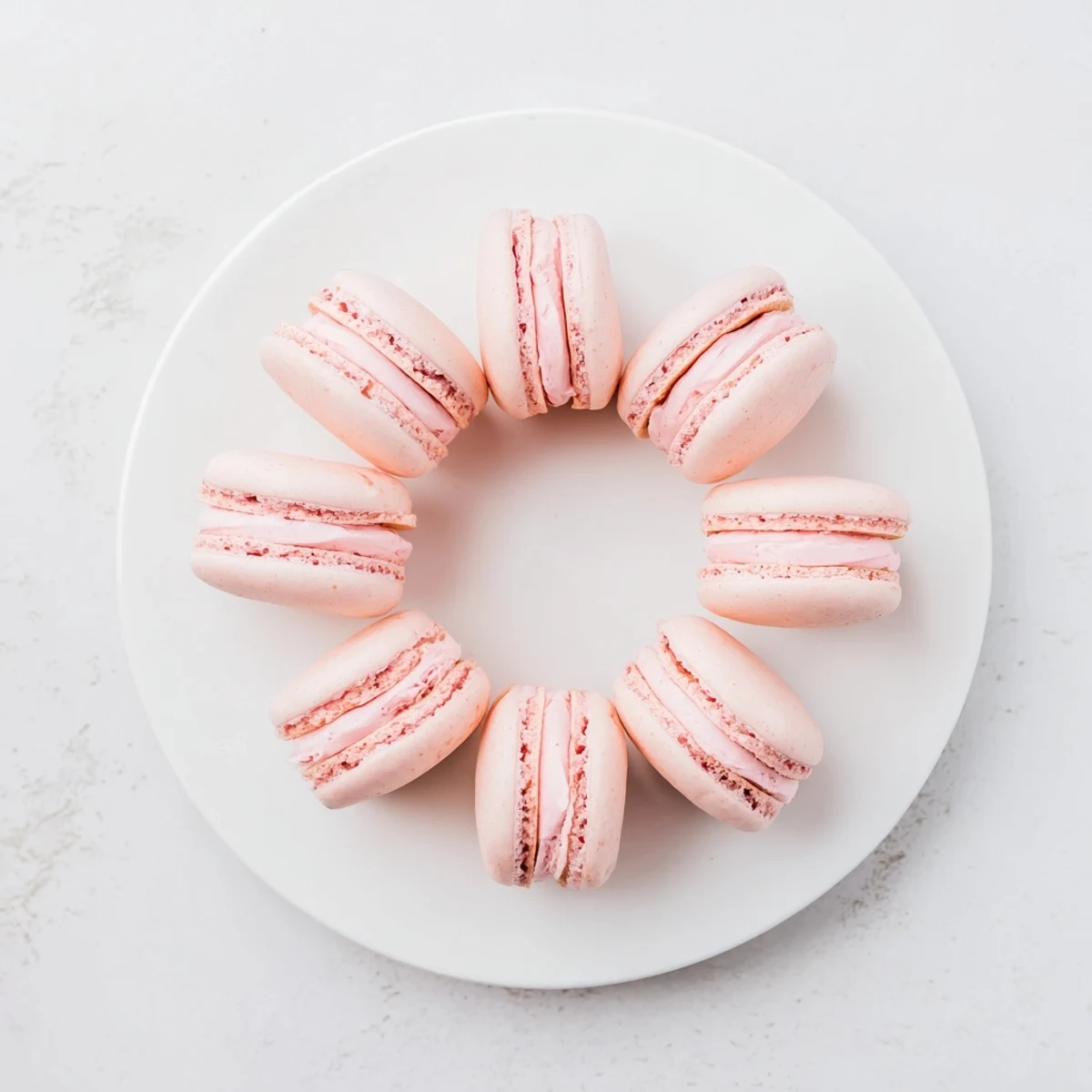
Save There is something deeply satisfying about mastering a recipe that once intimidated you, and these macarons are worth every bit of patience they demand.
Recipe Questions & Answers
- → Why do my macarons crack during baking?
-
Cracking typically occurs when shells haven't developed a proper skin before baking. Let piped shells rest for 30–60 minutes until they form a dry surface that doesn't stick to your finger when lightly touched. Humidity can also affect results, so avoid making these on very damp days.
- → What is macaronage and why is it important?
-
Macaronage is the folding technique where you incorporate the dry almond flour mixture into the meringue. Fold and press the batter against the bowl until it flows in thick ribbons and you can draw a figure 8 without it breaking. This crucial step ensures proper texture and foot formation during baking.
- → Can I use liquid food coloring?
-
Avoid liquid food coloring as it can alter the batter consistency and lead to hollow or collapsed shells. Use gel food coloring instead, adding it during the macaronage stage. Gel provides vibrant color without affecting the delicate balance of ingredients.
- → Why must egg whites be aged?
-
Aging egg whites at room temperature for 24 hours allows them to lose moisture and become more stable, creating stronger meringue. This results in macarons with better structure and fewer defects. If you're short on time, leave whites out for at least a few hours before whipping.
- → How do I store macarons for the best texture?
-
After assembling, refrigerate macarons in an airtight container for 24 hours before serving. This resting period allows flavors to meld and moisture to redistribute, creating the signature chewy interior. Bring to room temperature 15–20 minutes before eating for the best texture contrast.
- → What alternative fillings can I use?
-
Beyond classic vanilla buttercream, try chocolate ganache, fruit curds, jams, or flavored buttercreams incorporating citrus zest, espresso, or extracts. Ensure fillings are thick enough to hold their shape when sandwiched. Match complementary flavors like raspberry with dark chocolate or lemon with blueberry.