
 Save
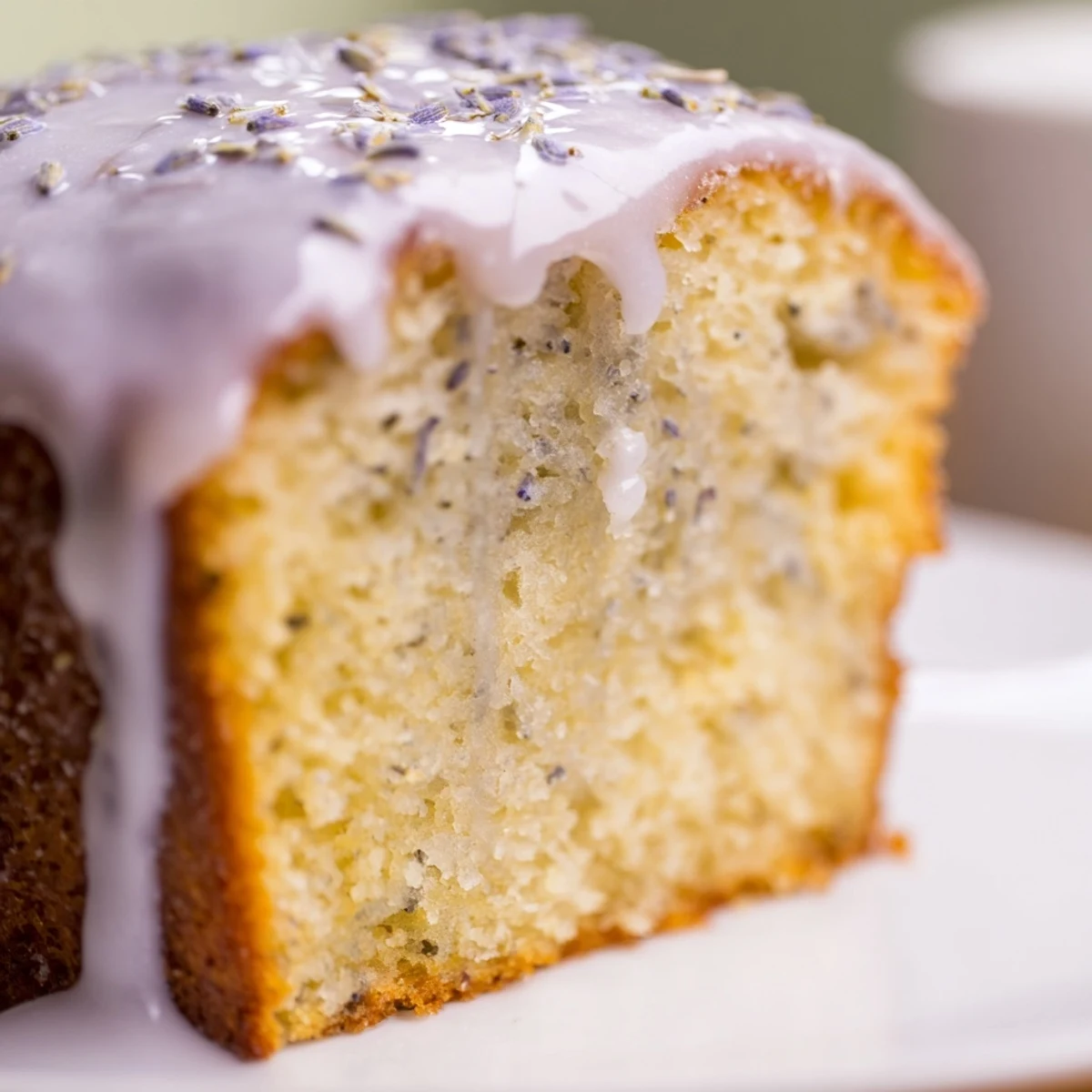
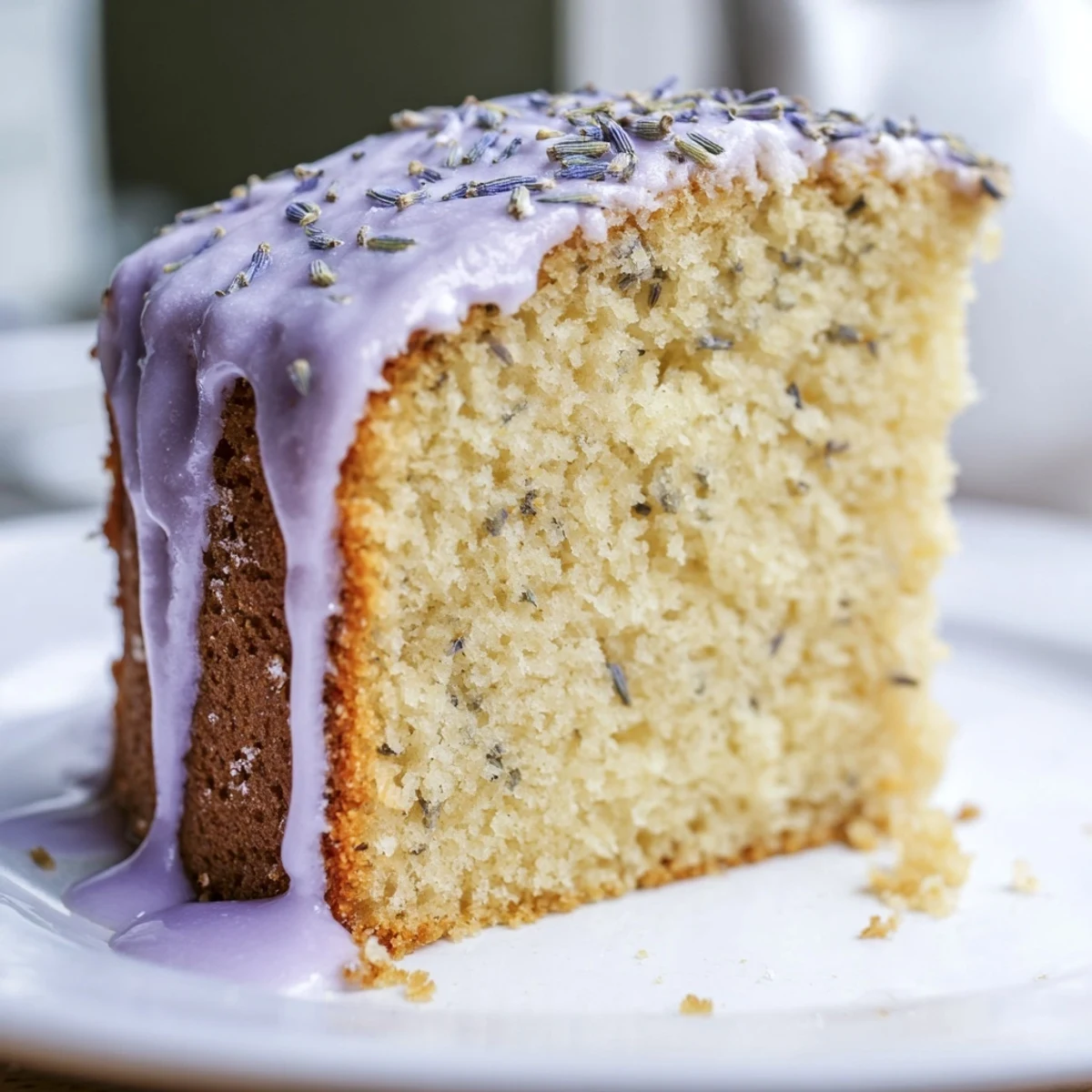
Save This delicate aromatic cake features the subtle floral essence of culinary lavender buds woven throughout a tender buttery crumb. The batter comes together with simple pantry staples, enhanced by fragrant lavender and pure vanilla extract. An optional lavender syrup soak adds extra moisture and intensifies the floral notes. The crowning touch is a bright lemon glaze studded with finely chopped lavender buds, creating a beautiful contrast between sweet citrus and gentle floral flavors. Perfect for afternoon tea, spring celebrations, or whenever you crave something uniquely elegant and comforting.
The first time I baked with lavender, I accidentally used twice the amount called for and my entire apartment smelled like a spa for three days straight. My roommate kept asking if I was running an aromatherapy business out of our kitchen. That cake was incredibly fragrant, maybe too much so, but it taught me that lavender is an ingredient that demands respect and restraint. Now I know exactly how much creates that delicate floral whisper without shouting.
I made this cake last spring for my mothers birthday, and she kept asking what the secret ingredient was. When I finally told her it was lavender from the garden she had helped me plant years ago, she got quiet in that way mothers do when something meaningful clicks into place. We ate it on the back porch with tea while the bees buzzed around the very plants that had flavored our dessert.
Ingredients
- All-purpose flour: The foundation that holds all those delicate floral notes together without competing with them
- Baking powder: Gives this tender cake just enough lift to feel light and airy rather than dense
- Salt: A tiny pinch that makes the lavender pop and prevents the cake from tasting flat
- Unsalted butter: Room temperature butter creates the perfect crumb structure and carries the lavender flavor throughout every bite
- Granulated sugar: Sweetens but also helps create that lovely golden crust that forms in the oven
- Large eggs: Bind everything together while adding richness and structure to the batter
- Culinary lavender buds: Make absolutely sure you buy food grade lavender because ornamental varieties can taste soapy or bitter
- Vanilla extract: Lavenders best friend that rounds out the floral notes with warm comfort
- Whole milk: Creates a tender crumb and helps balance the intensity of the dried flowers
- Water: Creates the simple syrup base that keeps the cake incredibly moist without making it soggy
- Fresh lemon juice: Cuts through the richness and adds brightness that wakes up the lavender flavor
- Powdered sugar: Dissolves beautifully into the glaze creating that perfect pourable consistency
Instructions
- Getting your oven ready:
- Preheat to 350°F and grease your 8-inch round pan with butter then dust it with flour, tapping out any excess
- Whisking the dry ingredients:
- Combine the flour, baking powder, and salt in a bowl so theyre evenly distributed before meeting the wet ingredients
- Creaming butter and sugar:
- Beat the softened butter and sugar until its pale and fluffy, which usually takes about 3 minutes of serious mixing
- Adding the eggs and flavor:
- Beat in eggs one at a time, then mix in your chopped lavender and vanilla until the batter smells like a garden
- Combining everything:
- Alternate adding the flour mixture and milk, starting and ending with the flour, mixing just until you no longer see dry streaks
- Baking the cake:
- Pour the batter into your prepared pan, smooth the top, and bake for 25 to 30 minutes until a toothpick comes out clean
- Making the lavender syrup:
- Simmer water, sugar, and lavender buds for 3 minutes while the cake bakes, then strain out the buds
- Adding the syrup soak:
- Let the cake cool for 10 minutes, poke holes all over the top with a skewer, and brush with the warm lavender syrup
- Mixing the glaze:
- Whisk powdered sugar, lemon juice, and chopped lavender until smooth and thick enough to drizzle beautifully
- Finishing touches:
- Let the glaze set for about 15 minutes before slicing into this aromatic masterpiece
 Save
Save This recipe has become my go to for bringing to dinner parties because people always ask what makes it taste so special. Something about the combination of floral and citrus and vanilla just makes people slow down and really savor each bite instead of rushing through dessert.
Getting The Lavender Balance Right
Start with less lavender than you think you need because the flavor intensifies as the cake sits. You can always add more to the glaze but you cannot take it back once its baked into the crumb.
Making It In Advance
This cake actually develops better flavor on day two when the lavender has had time to mellow out and distribute evenly throughout every crumb. Wrap it tightly and let it rest at room temperature.
Serving Suggestions
A slice of this cake with a cup of Earl Grey tea is basically my idea of a perfect afternoon, especially when served outside in warm weather. The citrus notes in the tea really highlight the lemon in the glaze.
- Sprinkle a few fresh lavender buds on top of the glaze before it sets for extra beauty
- Serve with fresh berries if you want something tart to cut through the sweetness
- Keep any leftovers covered at room temperature for up to three days
 Save
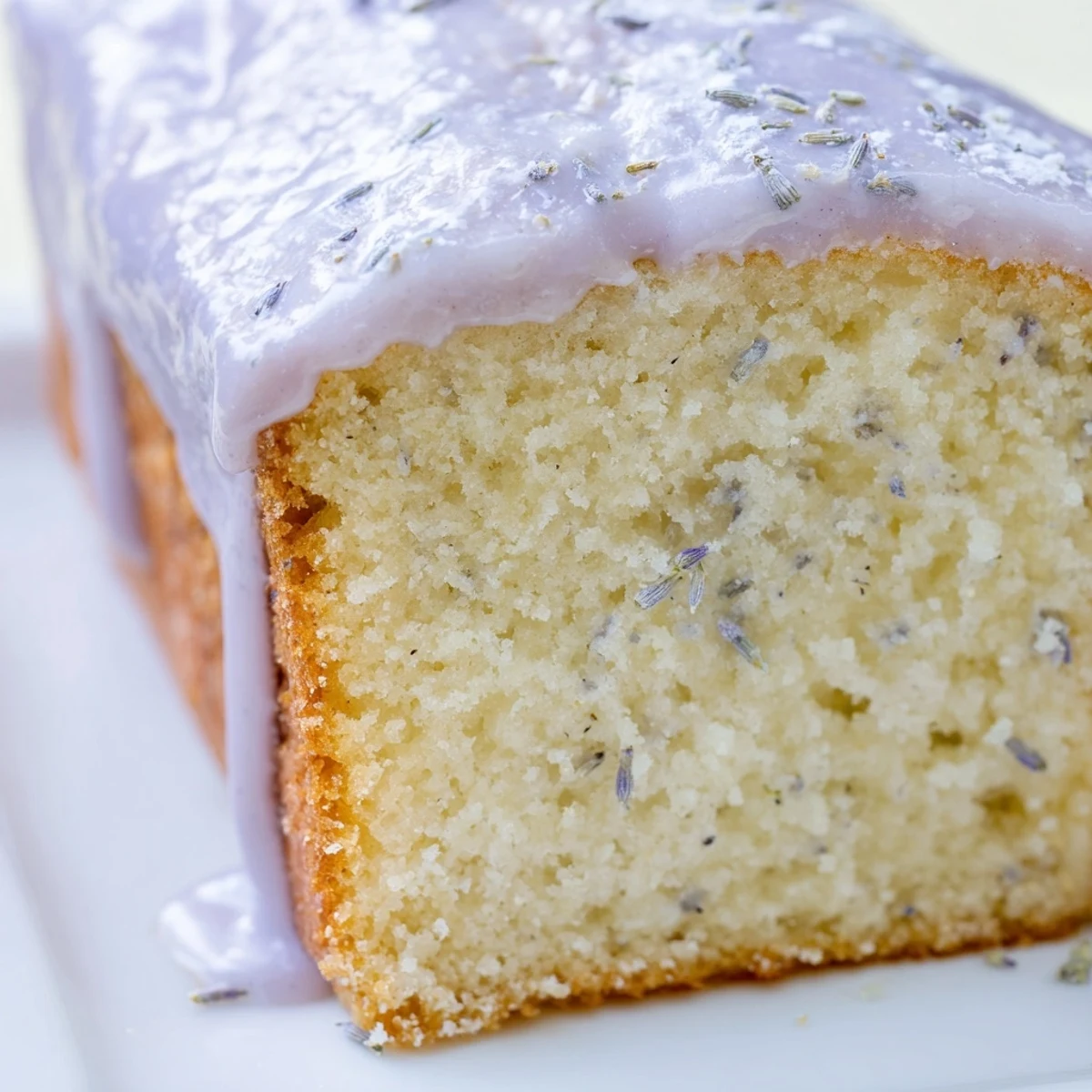
Save There is something deeply satisfying about serving a cake that smells like a garden and tastes like patience.
Recipe Questions & Answers
- → Can I use dried lavender from my garden?
-
Only use culinary-grade lavender that's grown specifically for consumption. Garden varieties may contain pesticides or have harsh flavors. Look for food-grade lavender buds at specialty stores or online retailers.
- → How can I adjust the lavender intensity?
-
Reduce the lavender buds by half for a more subtle flavor. Alternatively, steep the lavender in warm milk for 10 minutes, strain, then use the infused milk in your batter for a gentler aromatic profile.
- → Can I make this cake ahead of time?
-
Bake the cake up to two days in advance, wrap tightly, and store at room temperature. Add the glaze on the day of serving for the freshest appearance and texture. The syrup soak helps maintain moisture.
- → What alternatives work for the lemon glaze?
-
Orange juice creates a sweeter, fruitier glaze. For a creamier finish, substitute heavy cream for half the lemon juice. You can also omit the lavender from the glaze if you prefer a simpler citrus topping.
- → How should I store leftovers?
-
Keep covered at room temperature for up to three days. For longer storage, refrigerate in an airtight container for up to a week, though the texture may become slightly denser. Bring to room temperature before serving.
- → Can I make this dairy-free?
-
Substitute almond milk for whole milk and use dairy-free butter or coconut oil. The texture remains similar, though the flavor profile shifts slightly. Ensure your lavender buds are certified gluten-free if needed.