
 Save
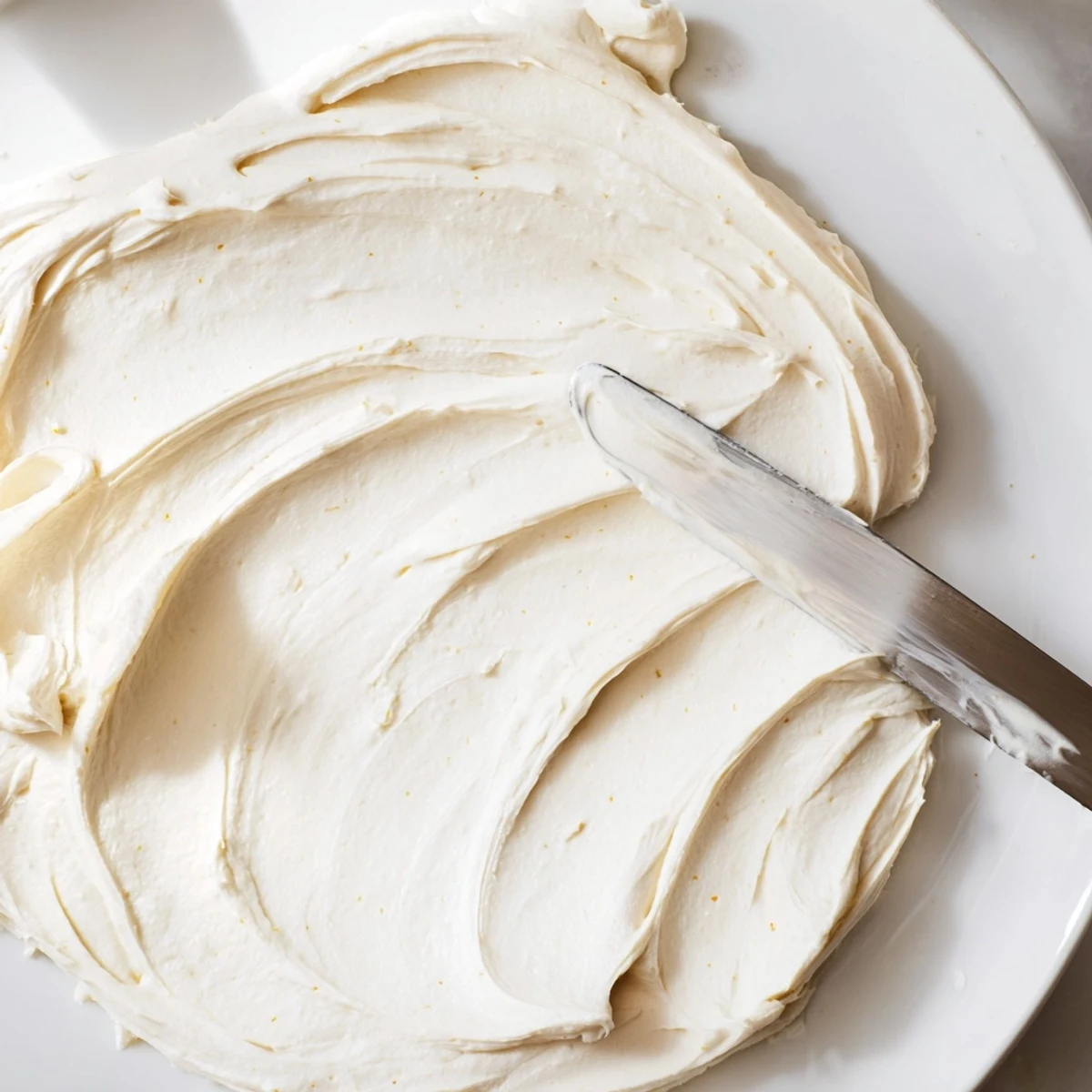
Save This Italian meringue buttercream yields a silky, luxurious frosting that elevates any cake or cupcake. Sugar syrup cooked to 115°C is drizzled into whipped egg whites to create a glossy, stable meringue.
Cubed room-temperature butter is gradually beaten in until the mixture emulsifies into a velvety finish. Vanilla extract rounds out the flavor, and the result is a rich yet light frosting that pipes beautifully.
Plan about 40 minutes total, and keep all equipment spotlessly clean for the best results. Flavor variations like espresso, chocolate, or fruit purees can be folded in at the end.
The summer my neighbor Elena brought over a three layer lemon cake draped in the most impossibly smooth frosting, I spent twenty minutes trying to figure out what sorcery she had performed before finally asking for her secret.
I called Elena three times during my first attempt, convinced I had ruined everything when the mixture turned soupy and curdled looking, and she laughed and told me to just keep the mixer running and trust the process.
Ingredients
- Granulated sugar (200 g): This is the backbone of your sugar syrup, so use plain white sugar and measure carefully for the right concentration.
- Water (60 ml): Just enough to dissolve the sugar before it starts boiling down into syrup.
- Egg whites, room temperature (4 large): Room temperature whites whip to greater volume, so pull them out of the fridge an hour ahead.
- Cream of tartar (1/4 tsp, optional): Stabilizes the meringue and helps prevent weeping, especially useful on humid days.
- Fine sea salt (1/8 tsp): A tiny pinch keeps the sweetness from becoming one dimensional.
- Unsalted butter, room temperature, cubed (340 g): The butter must be truly at room temperature, soft enough to leave a fingerprint but not melting or greasy.
- Vanilla extract (1 tsp): Good quality vanilla transforms the entire bowl into something fragrant and warm.
Instructions
- Brew your sugar syrup:
- Combine the sugar and water in a small saucepan over medium heat, swirling gently until the sugar fully dissolves, then clip on your candy thermometer and let it climb toward 115 degrees C without stirring.
- Start the egg whites:
- While the syrup heats, add the egg whites, cream of tartar, and salt to a spotlessly clean mixer bowl and whip on medium speed until soft, droopy peaks hold their shape for a moment before folding over.
- Meet syrup and meringue:
- When the syrup hits 115 degrees C, slowly drizzle it in a thin steady stream into the whipping whites with the mixer on medium high, pouring along the side of the bowl rather than directly onto the whisk.
- Whip to stiff glossy peaks:
- Crank the speed to high and let the meringue whip for 7 to 10 minutes until it forms tall, shiny peaks and the outside of the bowl feels completely cool to your palm.
- Butter meets meringue:
- With the mixer on medium, drop in the butter cubes a few at a time, waiting for each batch to disappear before adding more, and do not panic when it looks curdled because it will come back together.
- Finish with vanilla:
- Add the vanilla extract and whip just long enough for it to blend through, then stop before you overwork the buttercream.
 Save
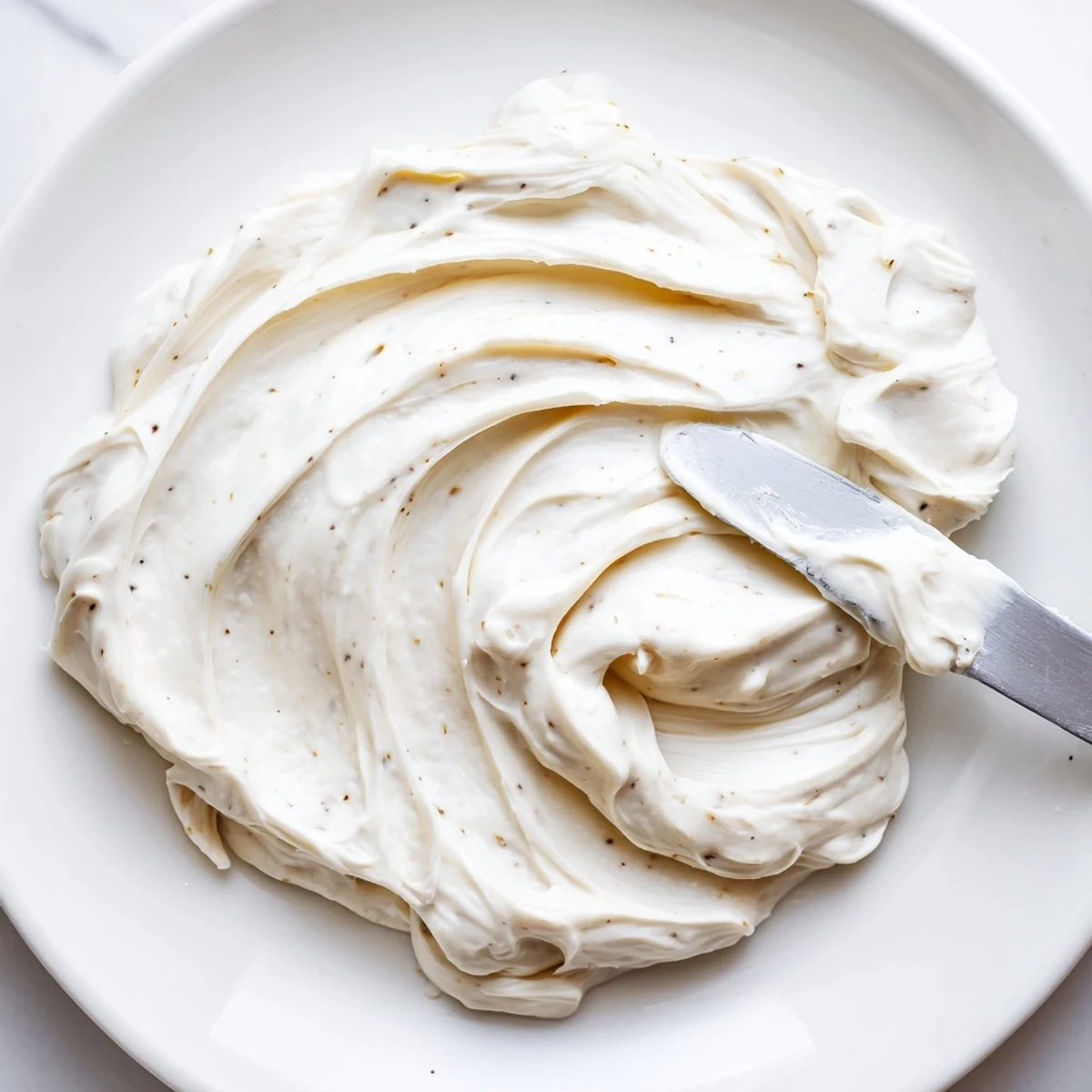
Save The day I frosted my daughter's birthday cake with this buttercream, she pressed her finger into the side and declared it the best part of the whole cake, and honestly I agreed with her.
Getting Comfortable with Candy Thermometers
The thermometer is your best friend here and there is no shame in relying on it completely. I clip mine to the side of the pan at an angle where I can see the dial without hovering, and I start watching closely once it passes 105 degrees C because those last ten degrees go faster than you expect.
Troubleshooting Common Buttercream Fears
Nearly everyone panics the first time they make this because the mixture cycles through phases that look completely wrong before they look right. If it seems soupy, the meringue was probably still too warm when you added the butter, so just keep whipping and let the cool butter bring the temperature down. If it looks curdled and separated, that is the emulsion finding its way and continued mixing is the only medicine it needs.
Storing and Reviving Leftover Buttercream
You can refrigerate this buttercream for up to five days or freeze it for a month, but it must come completely to room temperature before you rewhip it. I usually set it on the counter for several hours, then beat it on medium until it turns smooth and spreadable again.
- If it looks grainy after refrigeration, a few extra minutes of whipping usually solves the problem entirely.
- Freeze in airtight containers with plastic wrap pressed directly against the surface to prevent freezer flavors.
- Always taste after rewhipping because cold mutes sweetness and you may want a tiny splash more vanilla.
 Save
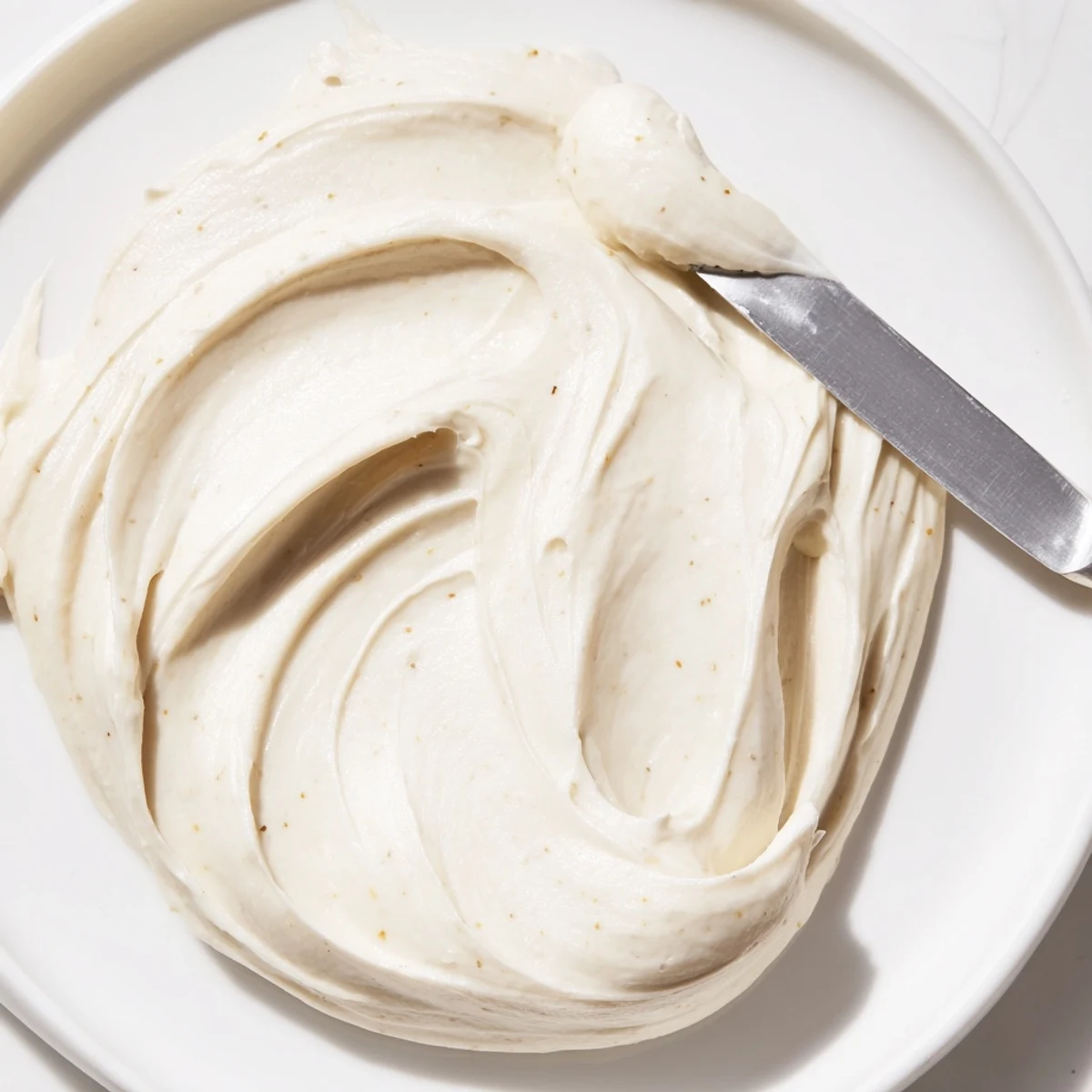
Save Mastering Italian meringue buttercream feels like joining a small, proud club of home bakers who refused to be intimidated by a candy thermometer. Your cakes will never be the same, and neither will your confidence in the kitchen.
Recipe Questions & Answers
- → Why does my buttercream look curdled or soupy?
-
This is completely normal. Keep whipping the mixture on medium-high speed and it will eventually emulsify into a smooth, silky buttercream. It can take up to 5 minutes for the transformation to happen.
- → Can I make Italian meringue buttercream ahead of time?
-
Yes, you can store it covered in the refrigerator for up to 5 days. When ready to use, bring it to room temperature and re-whip until smooth and spreadable again.
- → What temperature should the butter be?
-
The butter must be at room temperature and soft enough to leave a slight indent when pressed. Cold butter will cause the meringue to seize, while melted butter will make the frosting too runny.
- → Why is a candy thermometer necessary?
-
Precise sugar syrup temperature of 115°C (240°F) is critical for a stable meringue. Too cool and the meringue won't set properly; too hot and the sugar may caramelize or the egg whites could cook unevenly.
- → How do I flavor Italian meringue buttercream?
-
Add espresso powder, melted cooled chocolate, or fruit purees after the buttercream is fully emulsified. Fold or whip gently until the flavoring is evenly distributed throughout.
- → What cakes pair best with this buttercream?
-
Light sponge cakes, vanilla or lemon cake, and desserts featuring red berries or citrus flavors complement the rich yet airy texture of Italian meringue buttercream beautifully.