
 Save
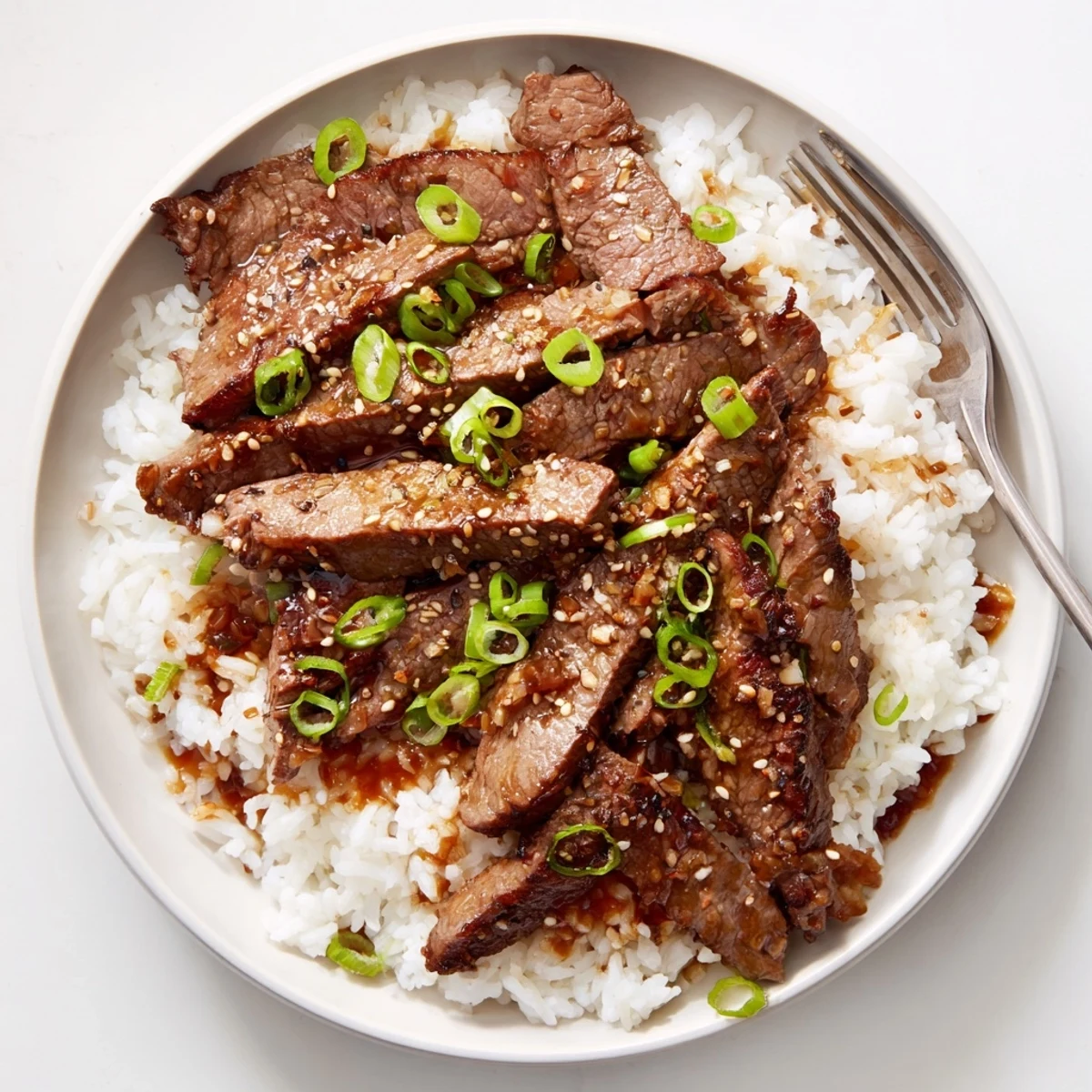
Save Thinly sliced beef is tossed in a savory-sweet blend of soy, brown sugar, sesame oil, garlic and grated ginger, then quickly seared in a hot skillet for tender, caramelized edges. Marinate 10-60 minutes for more depth. Stir in green onions and toasted sesame seeds near the end. Serve hot over steamed rice; add bell peppers or broccoli for veg, or swap tofu for a lighter option.
The sizzle of beef hitting a screaming hot wok on a Tuesday evening changed my entire relationship with weeknight cooking. I had ordered Korean takeout so often that the delivery driver knew my name, and my wallet was staging a quiet revolt. One frenzied grocery run later, I stood in my kitchen with a bottle of soy sauce and a prayer, discovering that this dish comes together faster than delivery ever could.
My neighbor Dave knocked on my door the third time I made this, claiming he could smell it from the hallway and demanding to know what sorcery was happening. We ended up eating standing around my kitchen counter, passing the wok between us like a shared secret.
Ingredients
- 500 g (1 lb) beef sirloin or flank steak, thinly sliced: Freeze the beef for twenty minutes before slicing and the knife will glide through like butter.
- 60 ml (1/4 cup) soy sauce: This is the backbone of everything, so use a brand you actually enjoy tasting straight.
- 2 tbsp brown sugar: It balances the saltiness and helps create that irresistible caramelized edge.
- 1 tbsp sesame oil: Toasted sesame oil specifically, because the raw stuff simply will not give you the same depth.
- 2 cloves garlic, minced: Fresh garlic crushed at the last minute delivers a punch that jarred mince never matches.
- 1 tbsp fresh ginger, grated: Use a microplane and grate it directly into the marinade so no juice escapes.
- 1 tbsp rice vinegar: Just enough acidity to brighten the whole dish without making it sour.
- 1 tsp gochugaru (Korean chili flakes), optional: Adds a gentle warmth rather than fire, so do not be afraid of it.
- 1/2 tsp black pepper: Freshly cracked makes a quiet but important difference.
- 4 green onions, thinly sliced: The white parts cook into the beef while the green parts finish it beautifully.
- 2 tsp toasted sesame seeds: Toast them yourself in a dry pan for thirty seconds and thank me later.
- Steamed white rice, to serve: Short grain rice is traditional and its slight stickiness soaks up sauce perfectly.
Instructions
- Build the sauce:
- Whisk together the soy sauce, brown sugar, sesame oil, garlic, ginger, rice vinegar, gochugaru, and black pepper in a large bowl until the sugar dissolves and everything smells like a promise. Taste it with your finger so you understand what you are working with.
- Marinate the beef:
- Toss the sliced beef into the sauce and use your hands to coat every single piece. Let it sit for at least ten minutes, or up to an hour if you planned ahead, which I almost never do.
- Cook with conviction:
- Heat a large skillet or wok over high heat until it smokes faintly, then add the beef in a single layer and let it sear without stirring for a minute before tossing. Cook three to four minutes total until the edges caramelize and the kitchen smells absolutely incredible.
- Finish with freshness:
- Stir in half the green onions and one teaspoon of sesame seeds right as you pull the pan off the heat so they warm through but stay vibrant.
- Plate and serve:
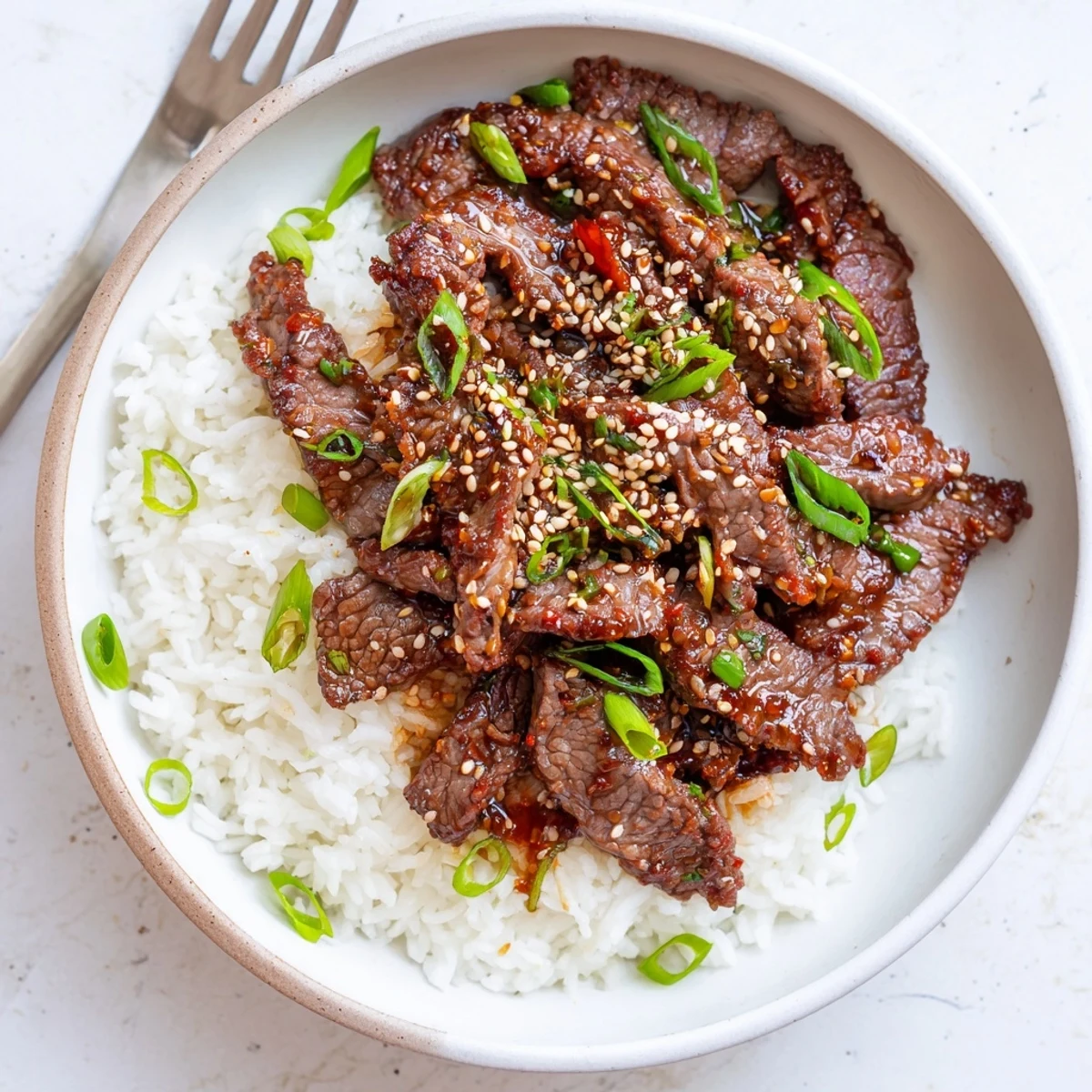
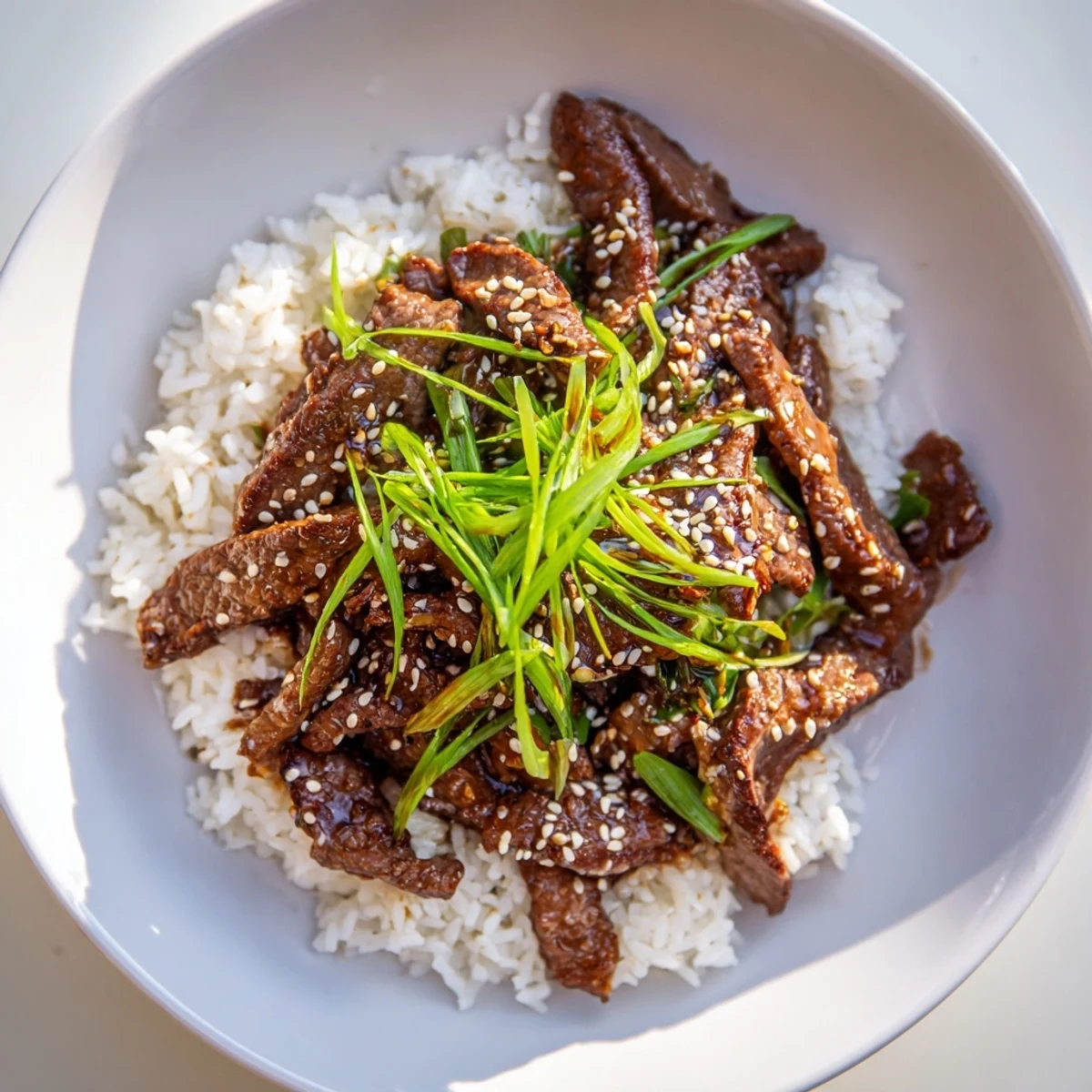
- Pile the beef over bowls of steamed rice and shower with the remaining green onions and sesame seeds. Serve immediately because waiting is not really an option here.
 Save
Save The night my picky twelve year old nephew asked for seconds and then thirds of this beef was the night I knew I had a permanent winner in my rotation.
Adding Vegetables Like a Pro
Sliced bell peppers, julienned carrots, or small broccoli florets can go right into the wok during the last two minutes of cooking. The key is cutting them small enough that they cook quickly but large enough that they still have some bite.
Swapping the Protein
Thinly sliced chicken thigh works beautifully with the same marinade, and cubed firm tofu pressed dry and pan fried until golden turns this into a fantastic vegetarian dinner. Just adjust the cooking time based on whatever you choose.
Getting the Rice Right
Rinse your rice under cold water until it runs almost clear before cooking and you will be amazed at how much fluffier and cleaner tasting it becomes. This small step takes two minutes and costs nothing but changes everything.
- A rice cooker is worth the counter space if you make this dish even once a month.
- Day old rice fried in the leftover pan drippings makes an incredible next day lunch.
- Always make more rice than you think you need because someone will want extra for the sauce.
 Save
Save Keep a batch of the marinade mixed in your fridge and this meal is never more than fifteen minutes away on even your most chaotic evenings. That is the kind of dinner backup plan worth holding onto.
Recipe Questions & Answers
- → How long should the beef marinate?
-
For a quick boost of flavor marinate for 10 minutes; for deeper taste aim for 30–60 minutes. Thin slices absorb the sauce quickly, so long marinades aren’t required.
- → Which cut of beef works best?
-
Sirloin or flank steak are ideal because they slice thinly and sear quickly. Choose well-marbled pieces for juicier results, and slice against the grain.
- → How do I get good caramelization without overcooking?
-
Use a very hot skillet or wok and avoid crowding the pan. Cook in a single layer, stirring briefly until edges brown; quick, high heat yields caramelized bites while keeping the interior tender.
- → Can I add vegetables to the dish?
-
Yes. Toss in sliced bell peppers, carrots, or broccoli during cooking; cook vegetables slightly before returning beef to the pan so everything finishes evenly.
- → How can I make it gluten-free?
-
Swap regular soy sauce for tamari or a certified gluten-free soy sauce. Check other labels like sesame oil to ensure no cross-contamination.
- → What garnishes and sides pair well?
-
Finish with thinly sliced green onions and toasted sesame seeds. Serve over steamed rice and pair with pickled vegetables, kimchi, or a light lager for balance.