
 Save
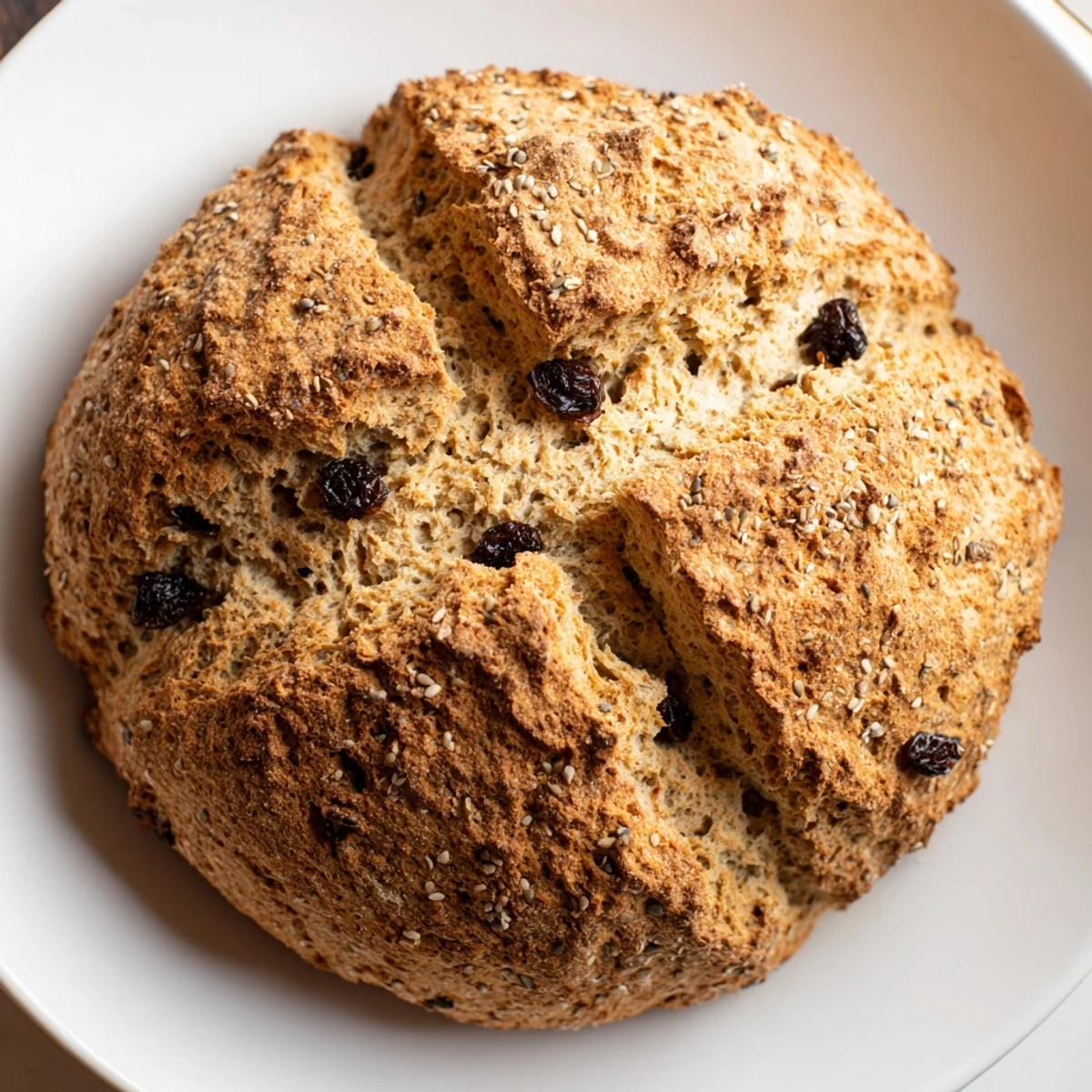
Save This Irish soda bread features a rustic texture and a gentle sweetness, enhanced by the tang of buttermilk and the warm, aromatic flavor of caraway seeds. The dough is mixed gently to create a shaggy, tender crumb and baked until golden brown with a characteristic X cut on top. Optional raisins add a fruity note, while butter and jam complement this bread perfectly for breakfast or as a side with soups. Simple tools and a short prep time make it approachable for all skill levels.
The caraway scent hit me before I even opened my grandmother's oven door, that distinctive anise-like aroma that somehow feels like home. She'd pull this rustic loaf out, the X cut across the top revealing steam and promise, and we'd wait impatient at the table with butter already softened. Now whenever rain taps against my kitchen windows, my hands automatically reach for the caraway seeds and buttermilk.
Last winter when my sister was recovering from surgery, I showed up at her door with a still-warm loaf and fresh butter. She took one bite of a thick slice, still steaming, and told me it tasted exactly like the bread we'd beg for from our grandmother's kitchen. Sometimes food isn't just sustenance, it's memory you can hold in your hands.
Ingredients
- 4 cups all-purpose flour: The foundation that gives structure while keeping the crumb tender
- 1/4 cup granulated sugar: Just enough sweetness to balance the caraway's intensity without making it dessert-like
- 1 1/2 tsp baking soda: The chemical leavener that reacts with buttermilk for that characteristic rise
- 1 1/2 tsp kosher salt: Enhances all the flavors and prevents the bread from tasting flat
- 2 tbsp caraway seeds: The soul of this recipe, providing that unmistakable warm, slightly sweet, aromatic signature
- 1 3/4 cups buttermilk: Creates tenderness and activates the baking soda for proper rise
- 1 large egg, lightly beaten: Adds richness and helps bind the dough together
- 4 tbsp unsalted butter, melted and cooled: Contributes moisture and a subtle buttery undertone
- 3/4 cup raisins or currants, optional: Traditional addition that brings pockets of natural sweetness throughout
Instructions
- Preheat your oven:
- Get it to 425°F and line a baking sheet with parchment paper so nothing sticks later
- Combine dry ingredients:
- Whisk flour, sugar, baking soda, salt, and caraway seeds in a large bowl until everything's evenly distributed
- Add fruit if using:
- Toss in raisins or currants now, stirring until they're coated in flour to prevent sinking
- Mix wet ingredients separately:
- Whisk buttermilk, beaten egg, and melted butter together until combined
- Form the dough:
- Make a well in dry ingredients, pour in wet mixture, and gently mix until shaggy dough forms
- Minimal kneading:
- Turn onto lightly floured surface and knead just 10 to 12 turns until it comes together
- Shape your loaf:
- Form into a round about 7 to 8 inches across and transfer to prepared baking sheet
- Score the top:
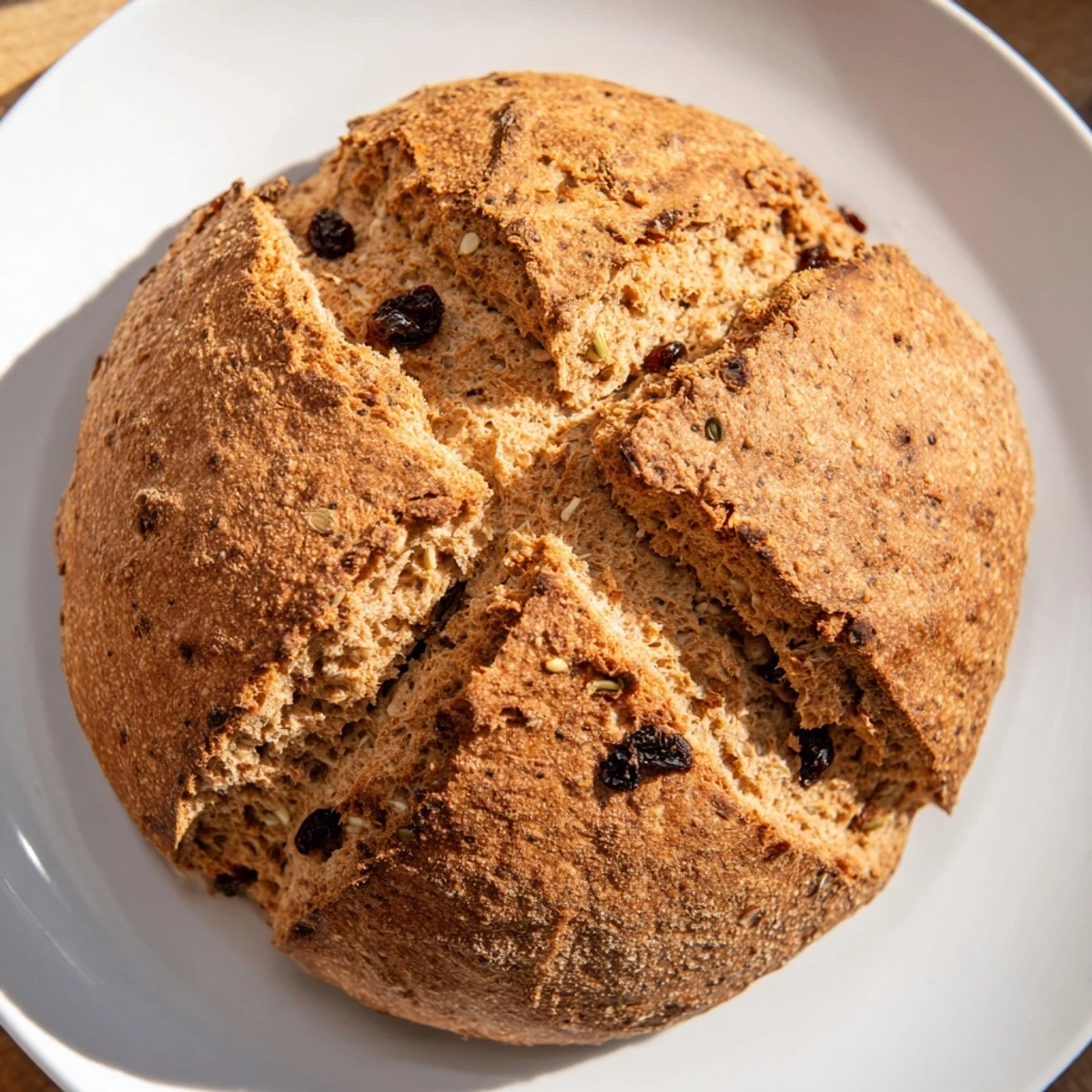
- Cut a deep X across the loaf with a sharp knife to help it bake evenly
- Bake until golden:
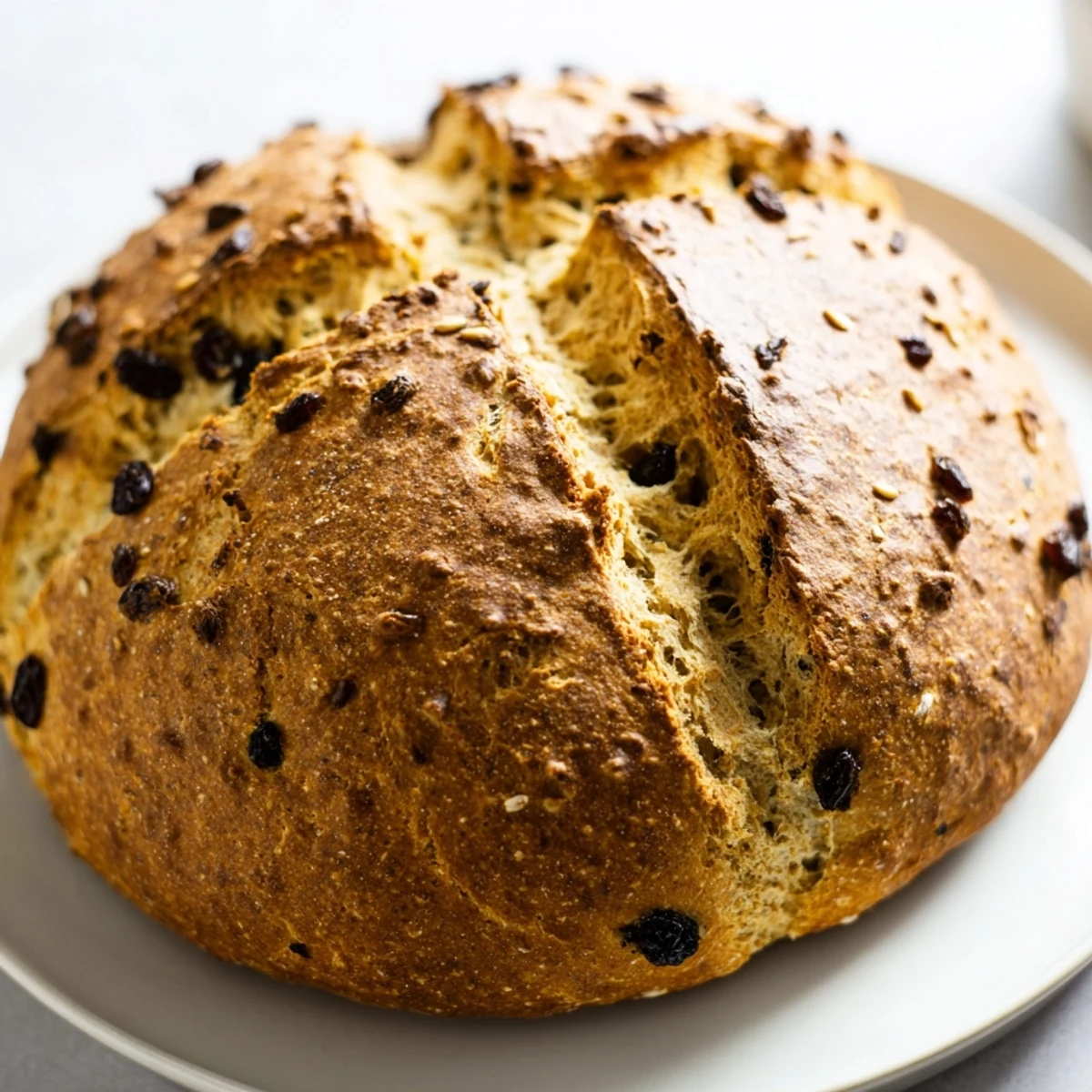
- Place in oven for 35 to 40 minutes until deep golden brown and sounds hollow when tapped
- Cool completely:
- Let rest on wire rack at least 30 minutes before slicing or the texture will suffer
 Save
Save When my daughter asked why we cut the X, I told her it lets the fairies out, but the truth is simpler and more practical. She still asks me that question every time we make it together now, and I still give her the same answer.
Getting the Texture Right
The dough should feel sticky and shaggy, not smooth like yeast dough. If it's too dry, add another tablespoon of buttermilk. Too wet, sprinkle in a bit more flour. Trust your hands over the exact measurements.
Making It Your Own
My neighbor substitutes orange zest for the caraway when she's feeling rebellious, and I have to admit it's delightful. The bread is forgiving, like an old friend who doesn't mind when you show up slightly different than expected.
Serving Suggestions That Work
Warm slices melting salted butter into every cranny is my preferred way, but this bread adapts to whatever meal you're serving. I've served it with beef stew, tomato soup, and just plain with tea.
- Toast leftover slices the next morning, they develop a remarkable crust
- Freeze whole loaves wrapped tightly in plastic if baking ahead
- Serve slightly warm for the best texture experience
 Save
Save There's something profoundly satisfying about bread that requires no patience, just trust in simple ingredients doing their work together. May your kitchen always smell of caraway and comfort.
Recipe Questions & Answers
- → What does caraway add to the bread?
-
Caraway seeds provide a warm, slightly sweet, and distinctive aroma that enhances the rustic flavor of the bread.
- → Can I substitute whole wheat flour?
-
Yes, replacing half of the all-purpose flour with whole wheat flour will add a nuttier flavor and denser texture.
- → Why is the dough not kneaded extensively?
-
Minimal kneading preserves the bread's tender and crumbly texture by avoiding gluten overdevelopment.
- → What is the purpose of buttermilk here?
-
Buttermilk provides acidity that reacts with baking soda to help the bread rise while adding a tangy flavor.
- → How do I know when the bread is done?
-
The bread is golden brown and sounds hollow when tapped on the bottom, indicating it’s fully baked.