
 Save
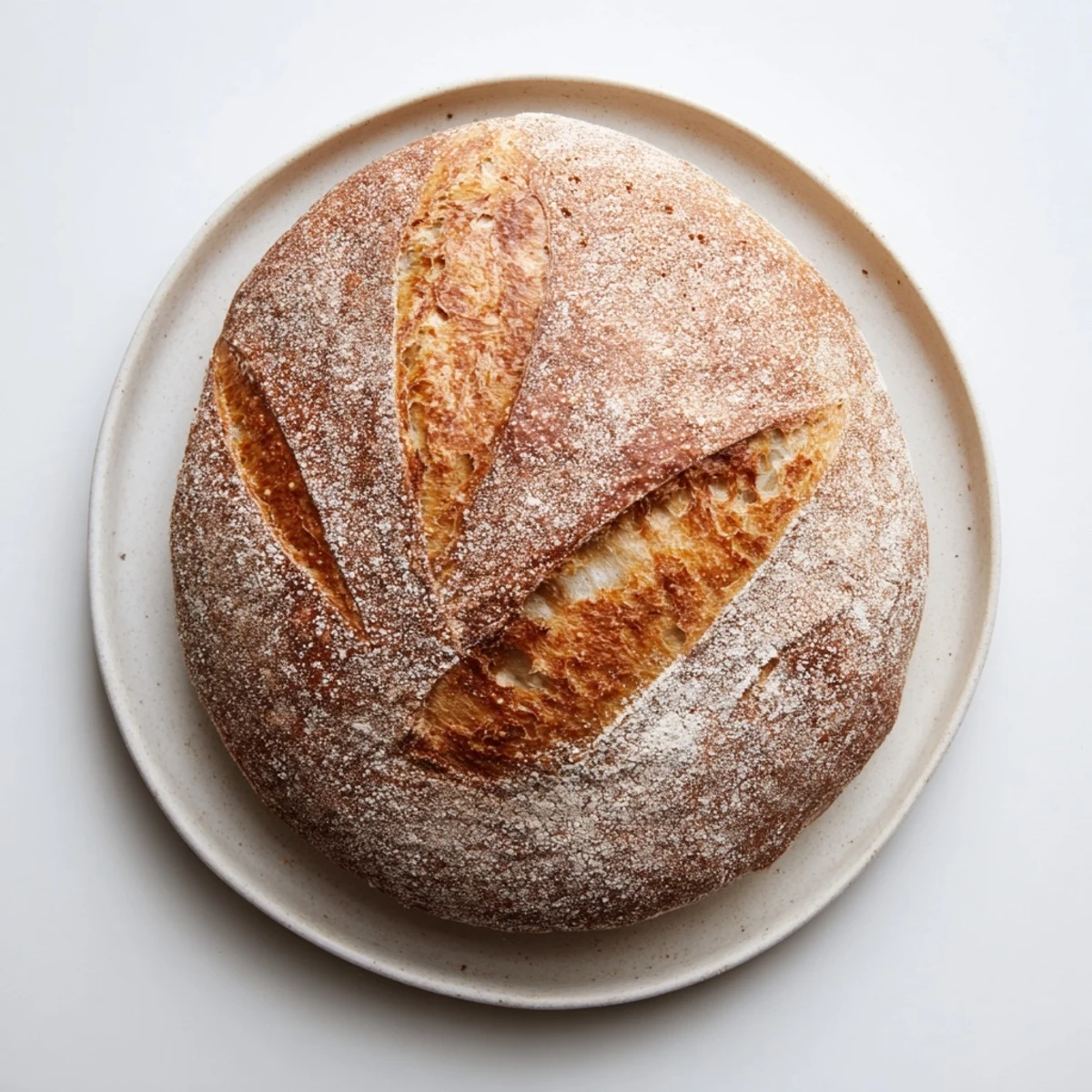
Save Transform simple pantry staples into a stunning crusty loaf that rivals bakery favorites. This no-knead method requires just flour, water, salt, and yeast to create a bread with exceptional texture and deep flavor.
The secret lies in the long fermentation period, which develops complex taste while making the dough incredibly easy to work with. Bake it in a Dutch oven for that professional steam-baked effect, creating a crackling golden crust that gives way to a tender, airy interior perfect for dipping, toasting, or enjoying fresh.
The smell of fresh bread has pulled me into the kitchen more times than I can count, but there was something magical about the first time this rustic loaf emerged from my oven. I had always been intimidated by bread making, convinced it required some secret baker's wisdom I didn't possess. That afternoon, with flour dusting everything including my forehead, I pulled out a crackling, golden loaf that made my tiny apartment feel like a European bakery.
Last winter, during a snowstorm that kept us housebound for days, I made this bread three times. My neighbor texted me asking what smelled so incredible, and I ended up bringing over a still-warm quarter of the loaf. We stood in her hallway, breaking off pieces with our hands, steam rising into the cold air, and discovered that this simple recipe had somehow created community.
Ingredients
- Bread flour: The higher protein content creates that satisfying chewy texture and helps the loaf develop structure
- Salt: Don't skip this, it's not just for flavor but helps control yeast activity and strengthens gluten
- Instant yeast: No proofing needed, it goes straight into the flour mix
- Lukewarm water: Think bathwater temperature, too hot kills yeast, too cold makes it sluggish
Instructions
- Mix the dough:
- Combine flour, salt, and yeast in a large bowl, then add water and stir until everything comes together in a shaggy, sticky mass
- Let it rise:
- Cover the bowl and walk away for 1 to 2 hours until the dough has doubled in size and looks beautifully puffy
- Shape the loaf:
- Turn the dough onto a floured surface, fold the edges underneath to form a rough ball, then place it seam side down on parchment paper
- Rest again:
- Let the shaped dough relax for 30 minutes while your oven heats to 450 degrees
- Bake to perfection:
- Carefully transfer your dough into a preheated Dutch oven, score the top with a sharp knife, and bake covered for 25 minutes before uncovering for 15 more minutes of deep golden crust development
 Save
Save My friend Sarah, who swore she couldn't cook anything, made this bread for her mother's birthday dinner. She called me at midnight, exhausted but ecstatic, because her mom had cried when she sliced into the homemade loaf. Sometimes the simplest recipes carry the most weight.
Getting That Restaurant Quality Crust
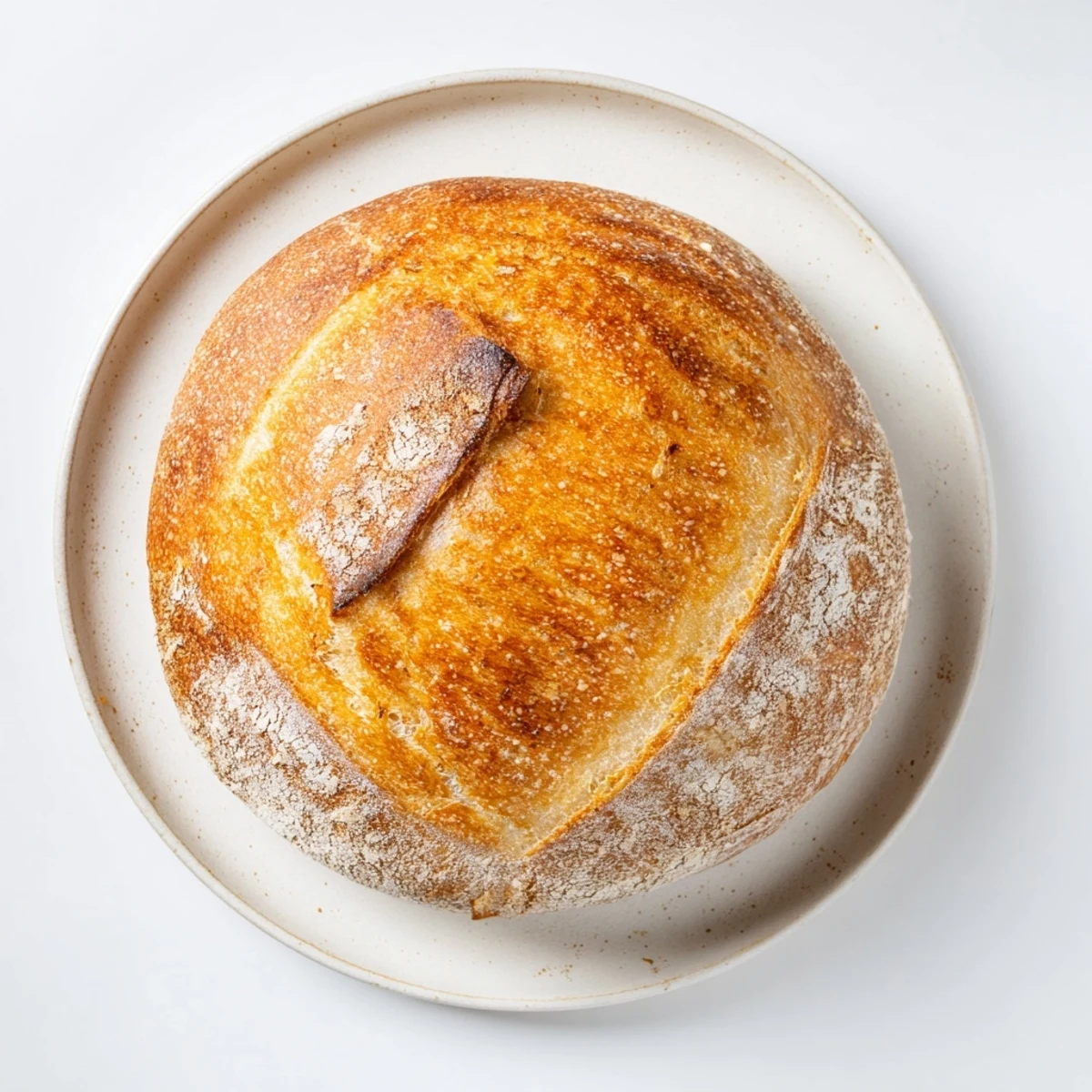
The secret to professional bakery results at home is steam, and a Dutch oven creates the perfect environment. When you cover the dough for the first part of baking, the moisture trapped inside keeps the crust soft while the interior expands dramatically. That final uncovered baking session is what transforms the exterior into the crackling, golden shield that makes the most satisfying sound when you slice into it.
Making It Your Own
Once you've mastered the basic version, this dough becomes a canvas for your favorite flavors. I've added chopped rosemary and roasted garlic for an Italian inspired loaf, and my friend mixes in chunks of aged cheddar for the most incredible savory bread. The key is keeping additions to about a quarter cup so the dough still rises properly.
Serving Suggestions
This bread shines when served simply with good salted butter or olive oil for dipping, but it also makes the most incredible toast the next day. I've used day old slices to build epic sandwiches, and my grandmother's tip is to cube slightly stale portions for homemade croutons that transform any salad.
- The bread keeps well for two days wrapped in a cloth bag, never plastic which makes the crust soggy
- Revive day old bread by sprinkling with water and reheating at 350 degrees for 10 minutes
- Slice only what you need, keeping the rest intact to maintain freshness
 Save
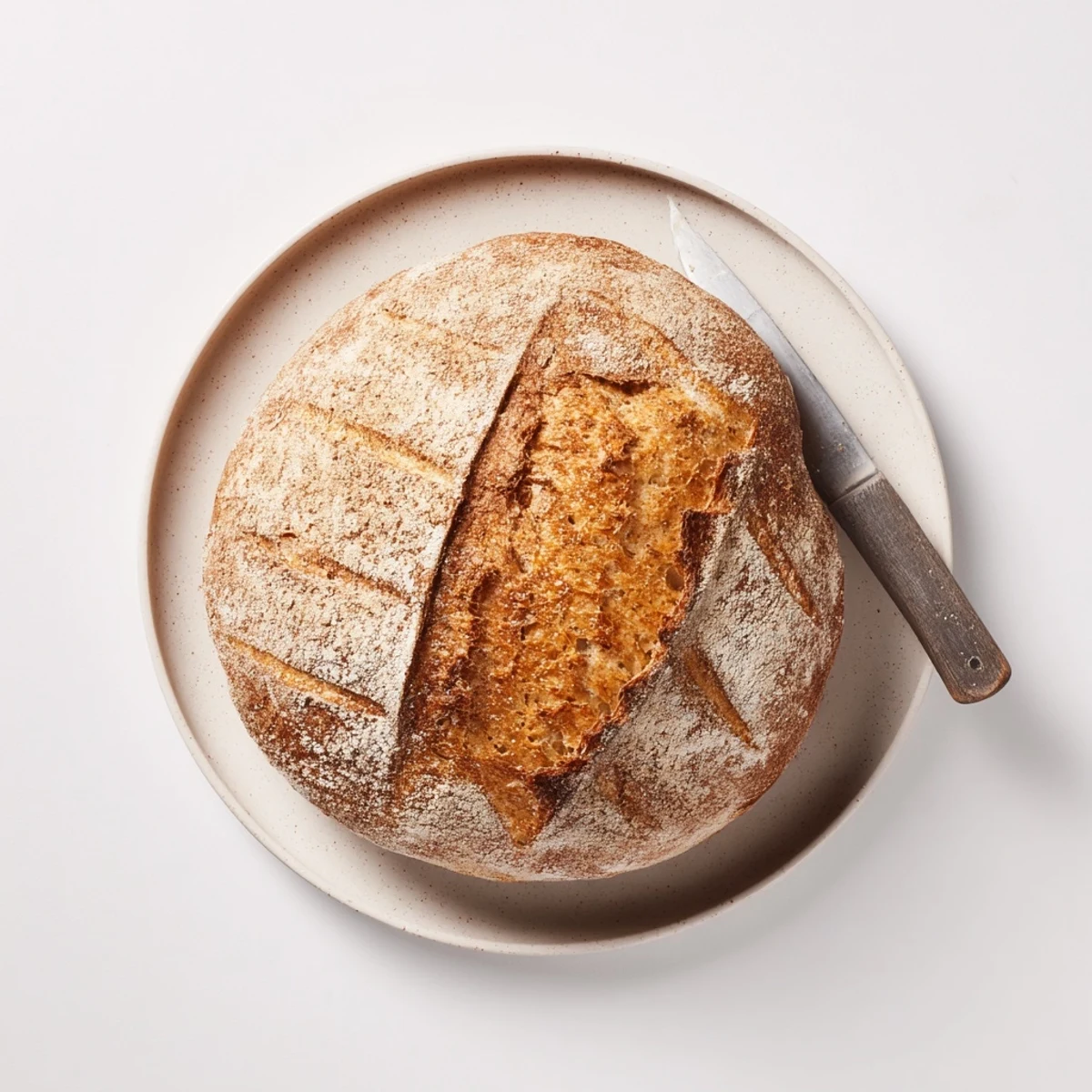
Save There's something profoundly satisfying about turning four humble ingredients into something that feeds both body and soul. Start this recipe today, and your house will smell like possibility.
Recipe Questions & Answers
- → What makes rustic bread different from regular sandwich bread?
-
Rustic bread features a thick, crackly crust and an open, chewy crumb with irregular air pockets. The dough is typically hydrated more than sandwich bread, creating those characteristic large holes and artisan texture. It's designed to be savored rather than used primarily as a vehicle for toppings.
- → Can I make this without a Dutch oven?
-
Absolutely. While a Dutch oven creates the perfect steam environment for a crackly crust, you can use a heavy baking sheet or pizza stone instead. Place an oven-safe bowl with water on the bottom rack to generate steam, which helps develop that signature crusty exterior.
- → Why does my dough need to rise for so long?
-
The extended rise time allows yeast to ferment and develop complex flavors while strengthening the dough's gluten structure. This slow fermentation creates those delicious tangy notes and improves texture. Plus, it means almost no kneading is required—the time does the work for you.
- → How do I know when the loaf is fully baked?
-
Look for a deep golden-brown crust that sounds hollow when tapped on the bottom. The internal temperature should reach 200-205°F (93-96°C). If the crust is browning too quickly, tent with foil. Under-baked bread will have a gummy texture, so it's better to bake a few minutes longer if unsure.
- → Can I add other ingredients like herbs or cheese?
-
Certainly! Once you've mastered the basic version, experiment with add-ins. Fresh rosemary, thyme, or garlic cloves can be mixed into the dough. For cheese varieties, fold in cubed cheddar or grated Parmesan before shaping. Just keep additions to about 1 cup total to maintain proper dough structure.
- → How should I store this bread to keep it fresh?
-
Store the cooled loaf in a paper bag or wrapped loosely in a cloth at room temperature for up to 2 days. Avoid plastic, which traps moisture and makes the crust soggy. For longer storage, slice and freeze in freezer bags—toast individual slices straight from the freezer for that fresh-baked taste.