
 Save
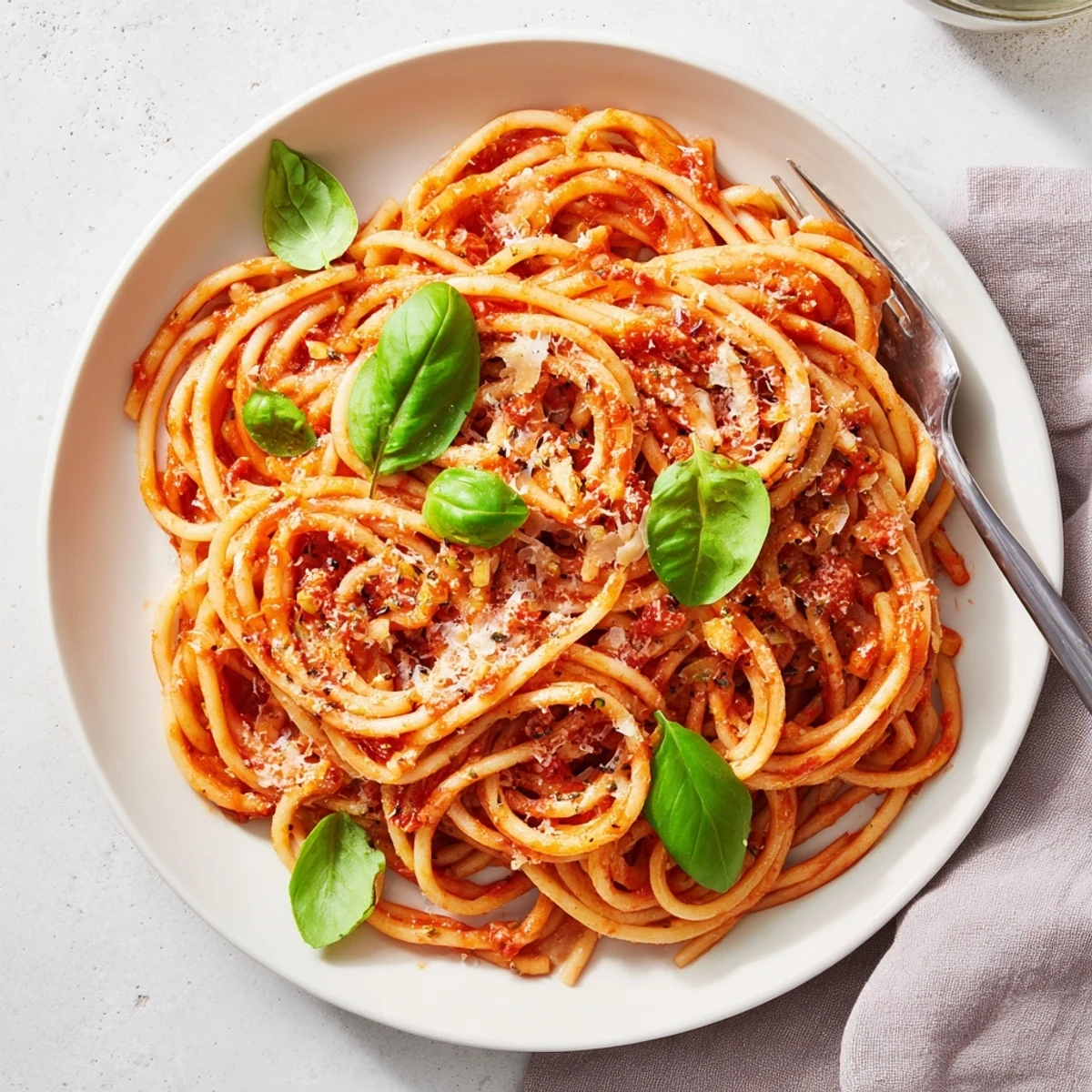
Save This classic Italian pasta brings together perfectly cooked spaghetti with a rich, homemade tomato sauce. The sauce features crushed tomatoes simmered with garlic, onion, and aromatic herbs like oregano and basil. Finished with freshly grated Parmesan and a sprinkle of fresh basil, it creates a comforting vegetarian meal that's ready in under 30 minutes. Perfect for busy weeknights when you crave something satisfying and homemade.
The smell of garlic hitting olive oil is my personal reset button, a scent that pulls me straight back to a tiny apartment kitchen in Bologna where an old neighbor taught me that sauce should never be rushed. She stirred her pot with a wooden spoon worn smooth by decades, and she never measured a single thing. That night I ate standing up, bowl in hand, sauce on my chin, and I understood why Italians treat pasta like a love language.
My friend Marco once watched me dump jarred sauce into a pot and went completely silent for what felt like an eternity before handing me a can of whole tomatoes and a knife without saying a word. That quiet disappointment taught me more about Italian cooking than any cookbook ever could.
Ingredients
- Dried spaghetti or penne (400g): Choose a brand with a rough surface texture because it grabs onto the sauce like it actually wants to be there.
- Salt for pasta water (1 tablespoon): The water should taste like the sea, and this is not the place to be shy about it.
- Olive oil (2 tablespoons): A decent extra virgin makes a quiet but real difference in the foundation of your sauce.
- Garlic, finely chopped (2 cloves): Chop it rather than pressing it for a sweeter, gentler flavor that melts into the oil.
- Onion, finely diced (1): This is your sauce backbone, so take the time to dice it small and let it soften properly.
- Canned crushed tomatoes (800g): San Marzano if you can find them because the sweetness and acidity balance is unmatched.
- Dried oregano (1 teaspoon): Rub it between your palms before adding to wake up the oils hidden in the dried leaves.
- Dried basil (1 teaspoon): A quiet background note that ties everything together without demanding attention.
- Sugar (half teaspoon): Just enough to calm the acidity of the tomatoes, not enough to make anything sweet.
- Salt and pepper: Season in layers throughout cooking and taste constantly like you are having a conversation with the pot.
- Freshly grated Parmesan (40g): Grate it yourself from a wedge because the pre shredded kind contains anti caking agents that ruin the melt.
- Fresh basil leaves: Torn by hand at the very end because cutting them with a knife bruises the delicate leaves.
Instructions
- Get the water going:
- Bring a large pot of well salted water to a rolling boil and drop in your pasta, giving it a stir so nothing sticks together while you turn your attention to the sauce.
- Build the flavor base:
- Warm olive oil in a large skillet over medium heat and add the garlic and onion, stirring gently until everything turns soft and golden and your kitchen smells impossibly good.
- Let the sauce develop:
- Pour in the crushed tomatoes along with oregano, basil, sugar, salt, and pepper, then let it bubble uncovered for about twelve to fifteen minutes while you stir now and then and resist the urge to rush.
- Marry the pasta and sauce:
- Before you drain the pasta save half a cup of that starchy cooking water, then toss the drained pasta directly into the sauce, splashing in reserved water until every strand is coated and glossy.
- Finish and serve:
- Off the heat, shower everything with freshly grated Parmesan and scatter torn basil leaves across the top, then bring the pan straight to the table because plating feels unnecessary here.
 Save
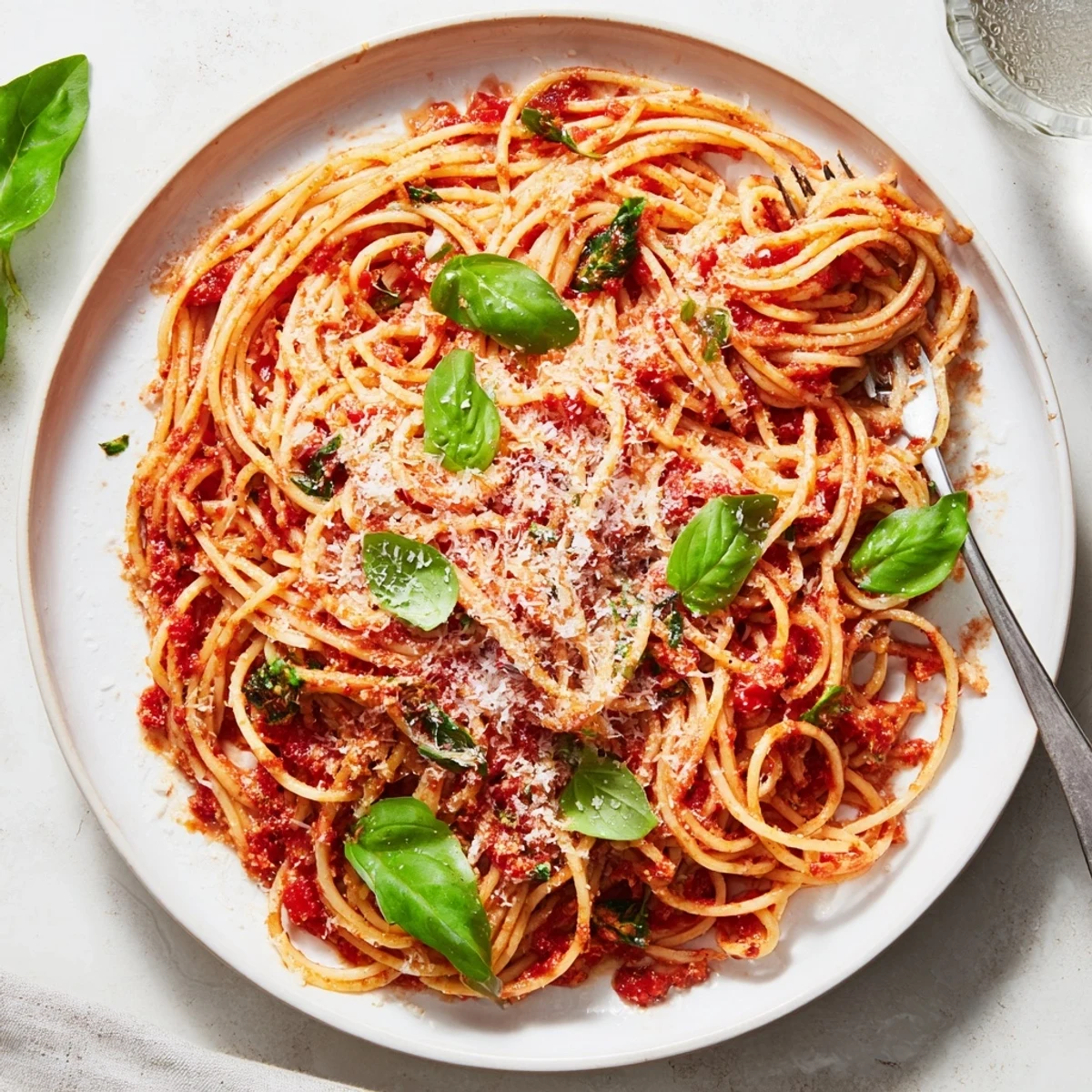
Save There is a particular kind of happiness that comes from watching someone take that first bite and close their eyes for just a second.
What to Serve Alongside
A chunk of crusty bread for sauce mopping is non negotiable in my house, and a simple arugula salad with lemon dressing cuts through the richness beautifully. If you want to lean fully into the Italian experience, pour something cold and crisp alongside it and call dinner done.
Making It Your Own
A pinch of red pepper flakes turns this into something entirely different and wonderful, and I sometimes add a handful of olives or capers when I want to feel fancy. The recipe is a framework that welcomes whatever you have hanging around your kitchen.
Storing and Reheating
Leftover sauce keeps in the fridge for up to five days and actually tastes better the next day when the flavors have had time to settle into each other. I store pasta and sauce separately because nobody wants mushy reheated noodles.
- Freeze sauce in individual portions so you can thaw exactly what you need on a busy night.
- Add a splash of water when reheating because the sauce thickens as it sits in the cold.
- Taste for salt after reheating since cold temperatures can mute the seasoning.
 Save
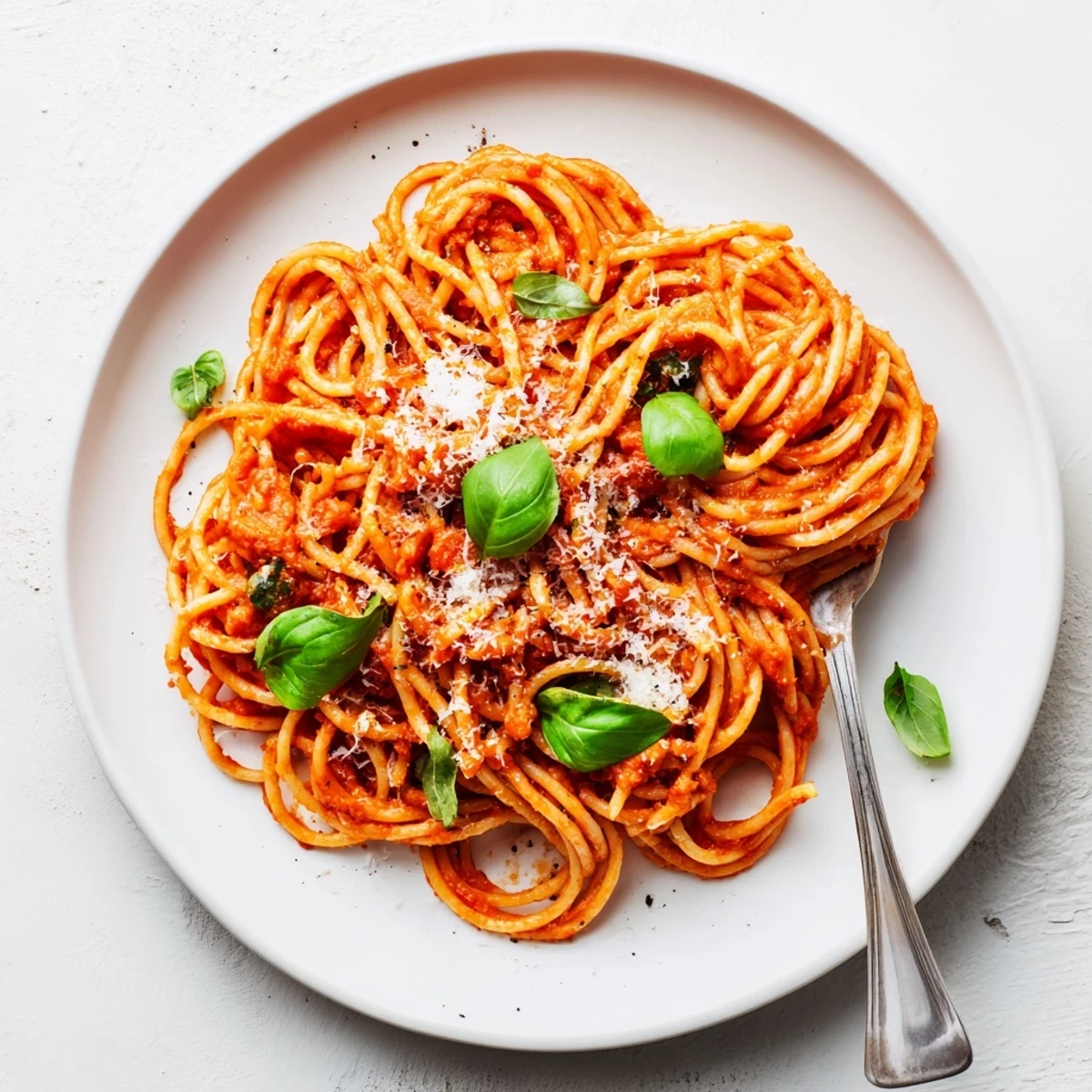
Save Keep it simple, trust the tomatoes, and remember that the best meals are the ones shared with people who linger at the table a little longer than they need to.
Recipe Questions & Answers
- → What pasta works best with this sauce?
-
Spaghetti and penne both work excellently with this tomato sauce. The ridges on penne help hold the sauce, while spaghetti allows for traditional twirling. Choose high-quality dried pasta for the best al dente texture.
- → Can I make this dish vegan?
-
Absolutely. Simply replace the Parmesan cheese with a vegan alternative or nutritional yeast. The rest of the dish is naturally plant-based, making it easy to adapt for vegan diets while maintaining great flavor.
- → How do I prevent the sauce from being too acidic?
-
The sugar in the ingredient list helps balance the tomatoes' natural acidity. If your sauce still tastes too tart, add another pinch of sugar or let it simmer longer to develop deeper flavors and mellow the acidity.
- → Why reserve pasta water?
-
Pasta water contains starch that helps thicken and emulsify the sauce, creating a silky texture that clings better to the pasta. Add it gradually until you reach your desired consistency.
- → Can I freeze this dish?
-
The sauce freezes beautifully for up to 3 months. For best results, freeze sauce separately from pasta. Reheat gently on the stove, adding a splash of water if needed. Fresh pasta cooks best when served immediately.
- → What wine pairs well with this pasta?
-
A crisp Italian white like Pinot Grigio complements the tomato brightness beautifully. For red wine lovers, a light Chianti or Sangiovese won't overpower the dish's delicate herbal notes.