
 Save
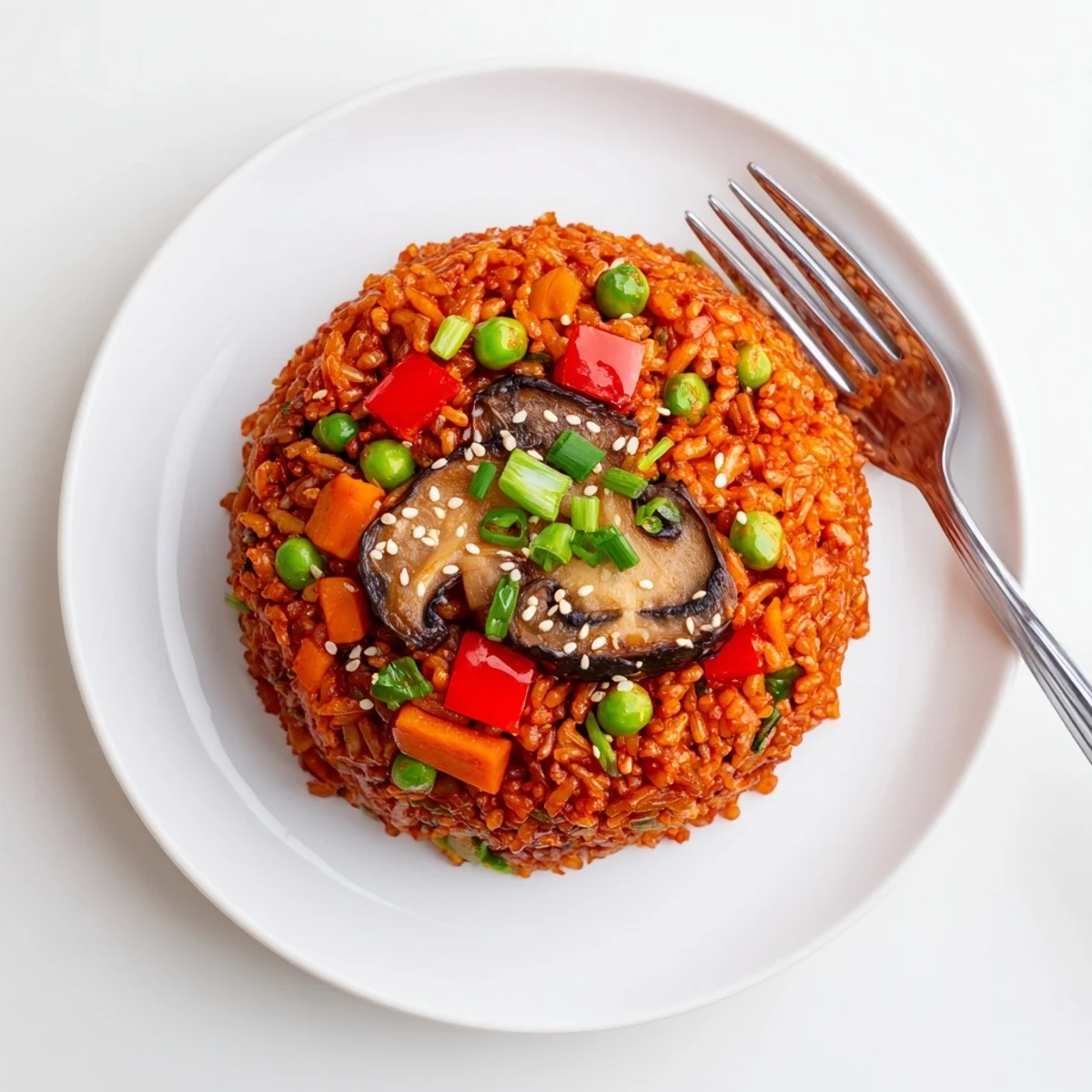
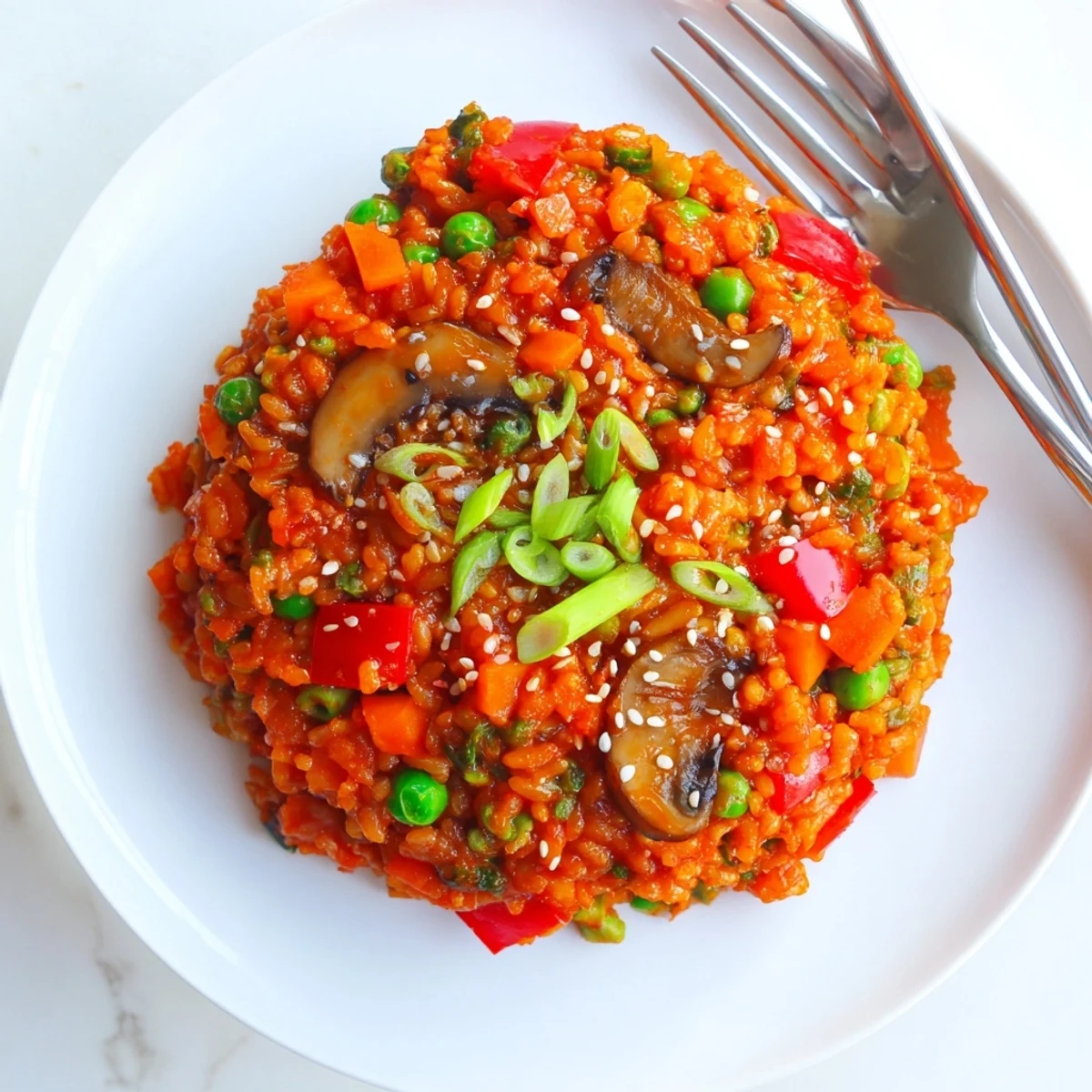
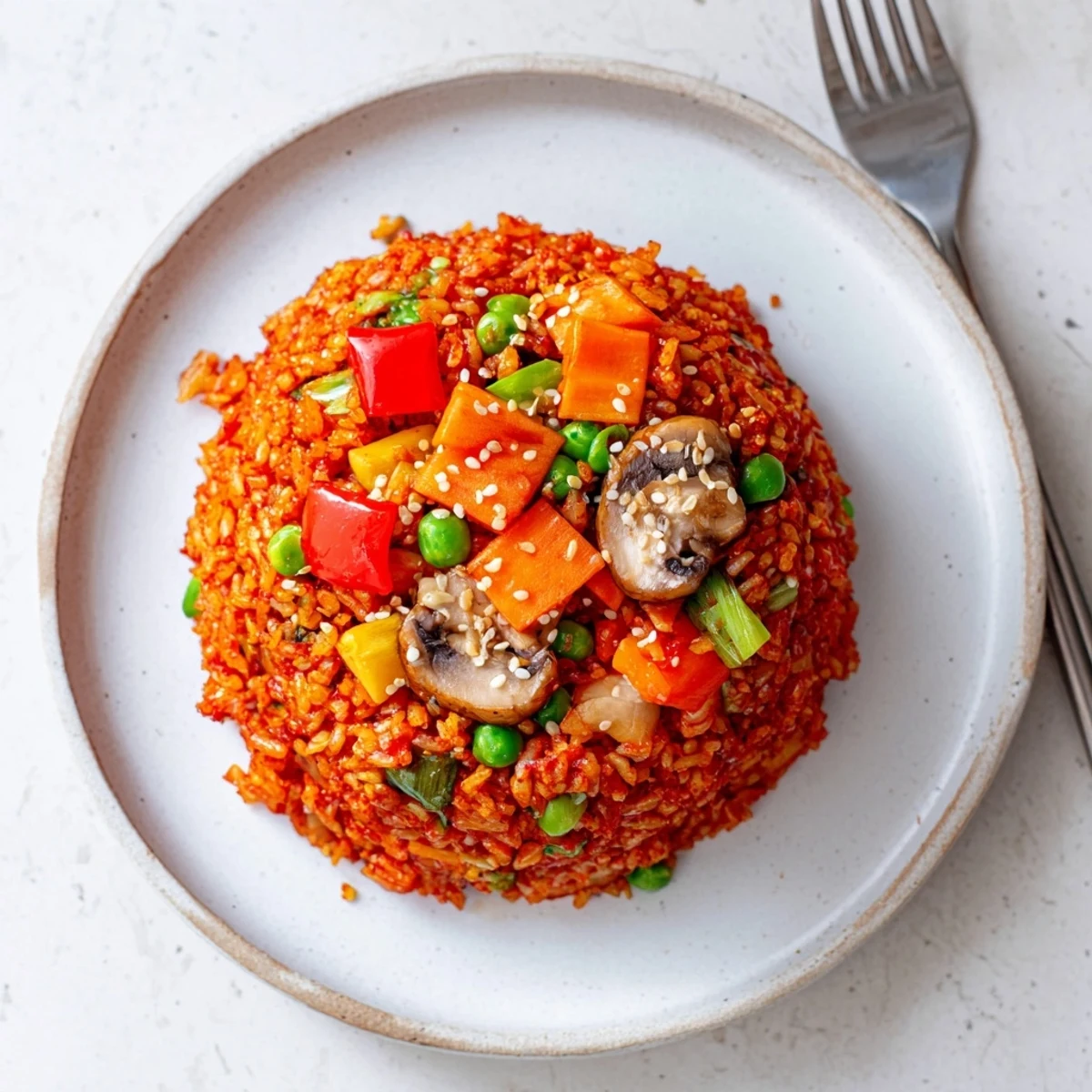
Save This vibrant dish brings together the bold flavors of Korean cuisine with crisp vegetables and perfectly seasoned rice. The gochujang-based sauce creates a rich, spicy coating that clings to every grain, while the mix of carrots, bell peppers, mushrooms, and peas adds texture and color. Ready in just 30 minutes, this works perfectly as a standalone meal or alongside other Asian-inspired dishes.
The sizzle of rice hitting a screaming hot wok is one of those sounds that instantly makes a kitchen feel alive, and this gochujang fried rice has been my weeknight salvation more times than I can count. It started during a phase when my fridge was perpetually full of leftover rice and half used vegetable bits that needed a purpose. That jar of gochujang sitting in the door of my refrigerator changed everything about how I approach quick meals. Thirty minutes later I had something that rivaled any takeout order I had ever placed.
My roommate walked in while I was tossing the rice and declared it smelled like a Seoul street market, which might be the best compliment my cooking has ever received.
Ingredients
- 3 cups cooked jasmine or short grain rice (preferably day old): Day old rice is the nonnegotiable secret here because fresh rice holds too much moisture and turns gummy instead of frying up with those coveted crispy edges.
- 1 medium carrot, diced: Small uniform dice ensures every bite gets a bit of sweetness and crunch.
- 1 cup frozen peas: No need to thaw them, they go straight into the wok and add bright pops of color.
- 1 red bell pepper, diced: The sweetness balances the heat from the gochujang beautifully.
- 4 green onions, sliced with white and green parts separated: The whites get cooked for a savory base, the greens stay raw for a fresh finish.
- 2 cloves garlic, minced: Fresh garlic makes a difference here, do not reach for the jarred stuff.
- 1 cup shiitake or button mushrooms, sliced: Shiitakes bring an earthy depth that plain button mushrooms cannot quite match.
- 3 tbsp gochujang (vegan Korean chili paste): This is the heart and soul of the dish, so find a brand without added honey or fish products.
- 2 tbsp soy sauce or tamari: Tamari keeps it gluten free and has a slightly richer, rounder flavor.
- 1 tbsp toasted sesame oil: A little goes a long way and adds that unmistakable nutty aroma.
- 1 tbsp maple syrup or agave: Just enough sweetness to round out the chili heat.
- 1 tbsp rice vinegar: The acidity lifts the whole dish and keeps it from feeling heavy.
- 1 tbsp neutral oil: Vegetable or canola oil works best because it has a high smoke point and will not compete with the flavors.
- Sesame seeds and extra green onions for garnish: These are not optional, they add texture and a final hit of freshness.
Instructions
- Mix the sauce:
- In a small bowl, whisk together the gochujang, soy sauce, sesame oil, maple syrup, and rice vinegar until smooth. Give it a taste and adjust if you want it spicier or sweeter before you commit.
- Get the wok hot:
- Heat the neutral oil in a large skillet or wok over medium high heat until it shimmers and just barely starts to smoke. This is your moment, have everything ready because things move fast from here.
- Build the aromatic base:
- Toss in the white parts of the green onions, the garlic, and the diced carrots, stirring constantly for about 2 minutes until the carrots soften slightly and your kitchen smells incredible.
- Add the hearty vegetables:
- Slide in the bell pepper and mushrooms, cooking for 2 to 3 minutes until they start picking up some golden brown color on the edges.
- Toss in the peas:
- Add the frozen peas straight from the freezer and cook for just 1 minute so they warm through without losing their bright green color.
- Fry the rice:
- Crank the heat to high, add the cooked rice, and use your spatula to break up any stubborn clumps. Stir fry for 2 to 3 minutes, letting the rice sit undisturbed for brief moments so it develops those irresistible crispy bits.
- Sauce and toss:
- Pour the gochujang sauce over everything and stir vigorously to coat every grain of rice evenly. Cook for another 2 to 3 minutes until the rice picks up a gorgeous red hue and crisps up in spots.
- Finish and serve:
- Pull the wok off the heat, stir in the green parts of the green onions, and taste for seasoning. Serve immediately with a generous shower of sesame seeds and more sliced green onions on top.
 Save
Save The night I made this for a group of friends during a summer blackout, we ate it by candlelight and nobody complained about the heat or the lack of air conditioning.
Making It Your Own
This recipe is endlessly flexible and actually improves when you treat it as a template rather than a strict set of rules. Toss in cubed baked tofu or a handful of shelled edamame if you want more protein to stick with you through the evening.
Storing and Reheating Leftovers
Leftovers keep beautifully in an airtight container in the refrigerator for up to three days, and they reheat like a dream in a hot skillet with just a splash of water to loosen things up. In fact, I sometimes think day two fried rice is even better because the flavors have had time to settle into every grain.
What to Serve Alongside It
A simple cucumber salad dressed with rice vinegar and a pinch of sugar makes a cooling counterpoint to the spicy rice. Quick pickled radishes or a bowl of miso soup turn it into a complete meal that feels far more intentional than a weeknight dinner needs to be.
- Keep extra gochujang on the table for anyone who wants to dial up the heat.
- A cold beer or iced barley tea pairs surprisingly well with the bold flavors.
- Always make more than you think you need because seconds disappear fast.
 Save
Save Some recipes earn a permanent spot in your rotation not because they are fancy but because they show up for you when the cupboard looks bare and time is short. This is that recipe, and I hope it becomes yours too.
Recipe Questions & Answers
- → What does gochujang taste like?
-
Gochujang delivers a complex flavor profile combining sweet, savory, and spicy notes. The fermented chili paste has a deep umami richness with moderate heat that builds gradually. When mixed with soy sauce and a touch of maple syrup, it creates a balanced sauce that's bold but not overwhelming.
- → Why use day-old rice for fried rice?
-
Day-old rice has dried out slightly, which prevents it from becoming mushy during high-heat cooking. The grains separate easily and develop a pleasant chewiness with crispy edges. Freshly cooked rice contains too much moisture and won't achieve that signature fried rice texture.
- → Can I adjust the spice level?
-
Absolutely. Start with 2 tablespoons of gochujang for a milder version, or increase to 4 tablespoons if you prefer more heat. You can also add sriracha or red pepper flakes for additional spice. The maple syrup in the sauce helps balance the heat naturally.
- → What protein additions work well?
-
Cubed baked tofu, edamame, or chickpeas blend seamlessly into this dish. For a heartier version, add tempeh or seitan. Plant-based chicken or beef alternatives also complement the Korean flavors nicely.
- → How should I store leftovers?
-
Store cooled leftovers in an airtight container in the refrigerator for up to 3 days. Reheat in a skillet over medium heat with a splash of water or oil to refresh the texture. The flavors often develop and meld even better after a day.