
 Save
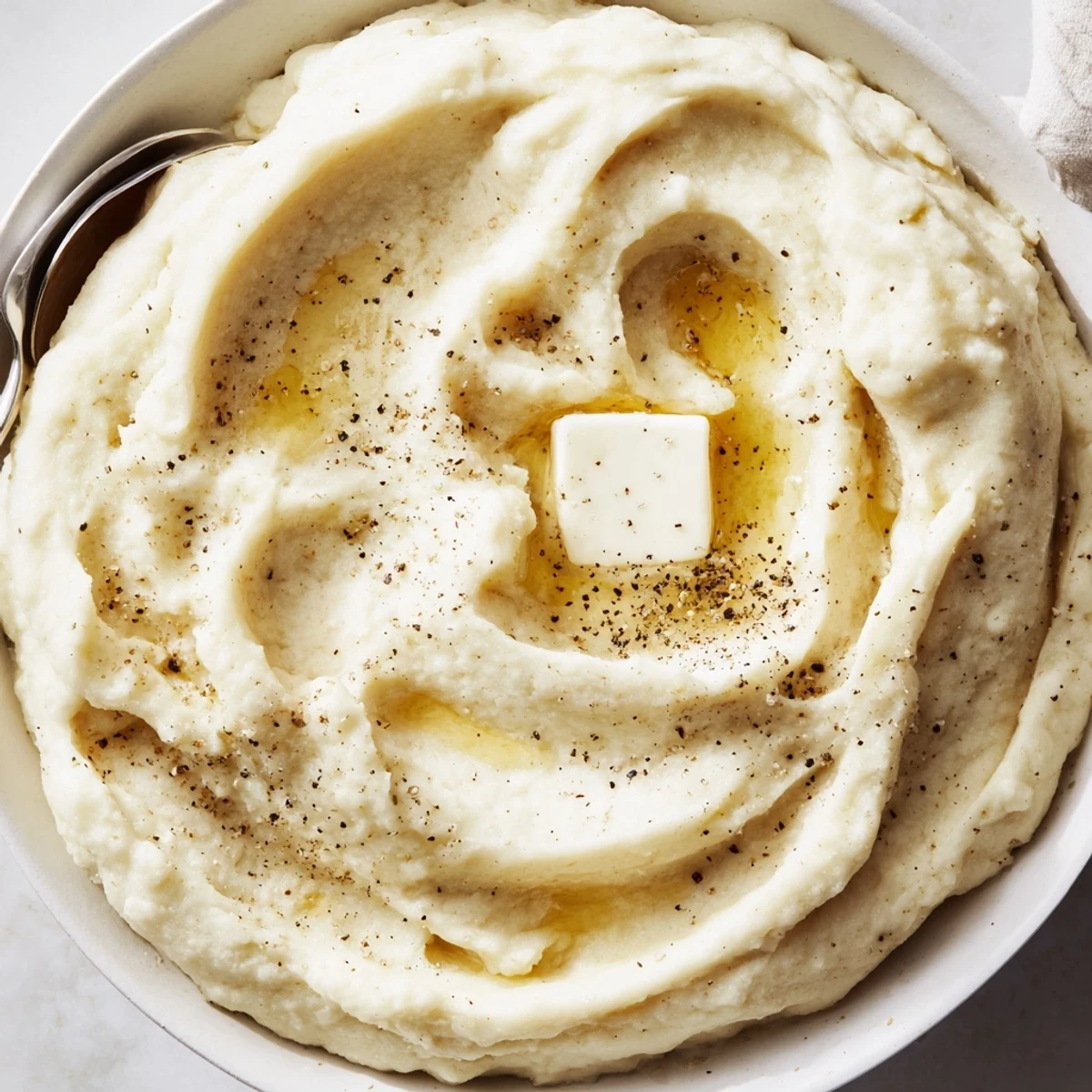
Save These velvety mashed potatoes are the ultimate comforting side dish, featuring Yukon Gold potatoes mashed to silky perfection with generous amounts of butter, warm whole milk, and heavy cream.
The secret lies in warming the dairy before incorporating it and allowing the drained potatoes to dry briefly over low heat for a fluffier texture. Ready in just 40 minutes, they pair beautifully with roasted meats, poultry, or mushroom gravy.
The sound of a potato masher hitting the side of a worn pot is, in my kitchen, the sound of Sunday.
My friend Lena came over one January evening carrying a bag of Yukon Golds and announced she had never successfully made mashed potatoes from scratch, which I found astonishing until she described her method of boiling them into submission and attacking them with a fork.
Ingredients
- 2 lbs Yukon Gold potatoes: These are the gold standard for mashing because their medium starch content gives you creamy results without turning gummy, which is a trap Russets sometimes fall into.
- 4 tbsp unsalted butter, cubed: Cubing the butter helps it melt evenly and quickly into the hot potatoes so every bite gets coated.
- 3/4 cup whole milk, warmed: Cold liquid shocks hot potatoes and makes them seize, so always warm your milk first.
- 1/4 cup heavy cream, warmed: This is the secret handshake that turns good mashed potatoes into unforgettable ones.
- 1 1/2 tsp kosher salt plus more to taste: Potatoes need more salt than you think, and adding some to the cooking water seasons from the inside out.
- 1/4 tsp freshly ground black pepper: Freshly cracked pepper adds a gentle warmth that pre ground simply cannot match.
Instructions
- Cover and salt the potatoes:
- Place the peeled and chunked potatoes in a large pot and cover them with cold water by about one inch, then add a teaspoon of kosher salt. Starting cold ensures even cooking so the outside does not turn to mush while the center stays hard.
- Simmer until tender:
- Bring the pot to a boil over medium high heat, then lower it to a gentle simmer and cook for 15 to 20 minutes until a fork slides through the largest piece with zero resistance.
- Drain and dry:
- Pour the potatoes into a colander and let every last drop of water drain away, then return them to the same pot over low heat for one to two minutes. This brief rest on the warm burner evaporates lingering moisture and is the step most people skip.
- Mash until smooth:
- Use a potato masher, ricer, or food mill and work the potatoes until completely smooth, resisting any urge to use a blender or food processor which will turn them into glue.
- Fold in the butter:
- Add the cubed butter and fold gently until every piece has melted and disappeared into the potatoes. You will see the texture shift from matte to glossy right before your eyes.
- Stream in the warm liquids:
- Pour the warmed milk and cream in gradually, stirring slowly until everything is silky and luxurious, stopping when the consistency looks right to you.
- Season and serve:
- Taste the potatoes and add the remaining salt and the pepper, adjusting until each bite sings, then serve immediately while still hot and steaming.
 Save
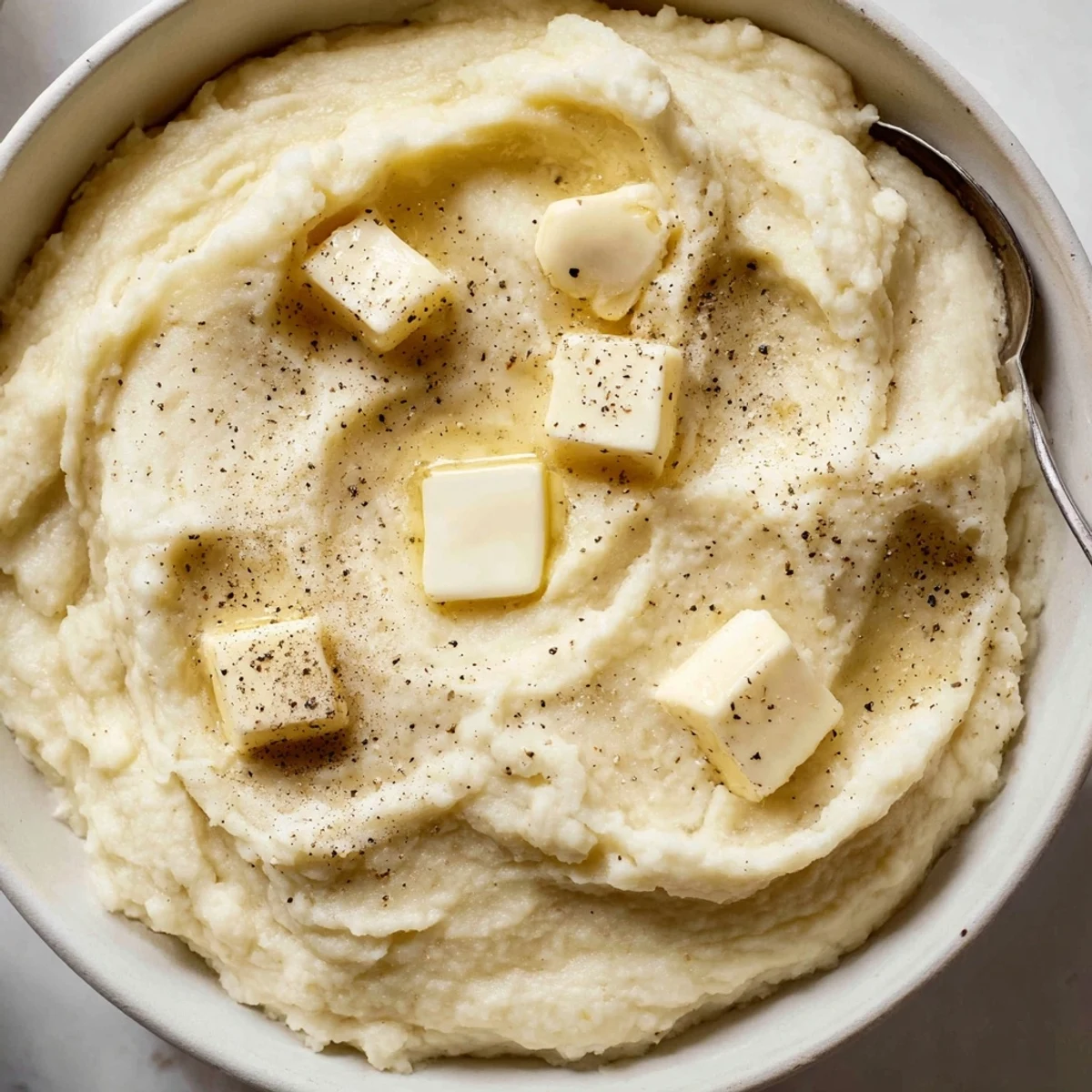
Save Lena ate three helpings that night and now texts me photos of her mashed potatoes every few weeks, each batch looking silkier than the last.
What to Serve Alongside
These potatoes love sitting next to roasted chicken, seared pork chops, or a ladleful of mushroom gravy, and they are equally happy beside a simple green salad on a weeknight when you need comfort without complication.
Making Them Your Own
Try warming the milk with a smashed garlic clove or a sprig of rosemary before straining it into the potatoes, which adds a fragrance that makes people close their eyes when they take the first bite.
Storage and Reheating
Leftovers keep well in a covered container in the refrigerator for up to three days, though they rarely last that long in my house. When reheating, add a splash of milk and stir gently over low heat until everything comes back to life.
- A pat of butter on top before reheating in the microwave helps prevent that dried out edge.
- Freezing works in a pinch but the texture shifts slightly upon thawing.
- Always taste for salt again after reheating because cold mutes flavors.
 Save
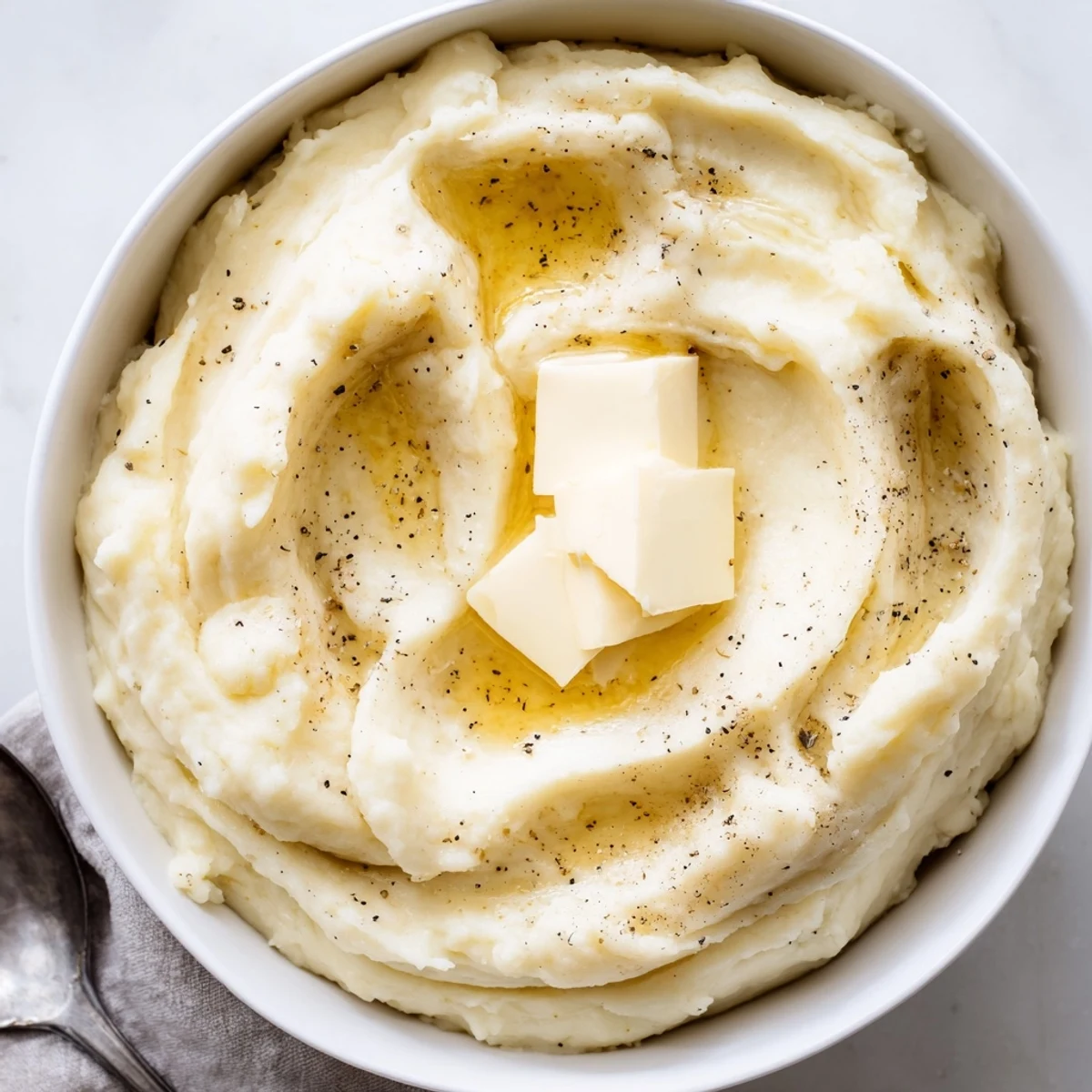
Save A bowl of truly good mashed potatoes can quiet a loud day and settle everyone at the table into something softer, which is really all I ever ask of a side dish.
Recipe Questions & Answers
- → What type of potatoes work best for mashed potatoes?
-
Yukon Gold potatoes are ideal because of their naturally buttery flavor and creamy texture. Russet potatoes also work well and produce a fluffier result. Avoid waxy potatoes like red potatoes, which can become gummy when mashed.
- → Why should I warm the milk and cream before adding them?
-
Warming the dairy before incorporation prevents the mashed potatoes from cooling down and ensures the butter melts evenly. Cold liquid shocks the hot potatoes and can result in a gluey, uneven texture.
- → How do I avoid gummy mashed potatoes?
-
Overworking the potatoes releases excess starch, leading to a gummy texture. Use a ricer or food mill for the smoothest results, and fold in the butter and liquid gently rather than aggressively stirring. Never use a blender or food processor.
- → Can I make mashed potatoes ahead of time?
-
Yes, you can prepare them up to two days in advance. Store in an airtight container in the refrigerator and reheat gently in the microwave or on the stovetop with a splash of warm milk to restore creaminess.
- → How can I add more flavor to mashed potatoes?
-
Infuse the warm milk with crushed garlic cloves, fresh thyme, or bay leaves before straining it into the potatoes. You can also fold in roasted garlic, chives, sour cream, or grated Parmesan cheese for additional depth of flavor.
- → Can I make this dish dairy-free or vegan?
-
Absolutely. Substitute the butter with a high-quality plant-based butter alternative, and replace the whole milk and heavy cream with unsweetened oat or cashew cream. The texture will be slightly different but still delicious and creamy.