
 Save
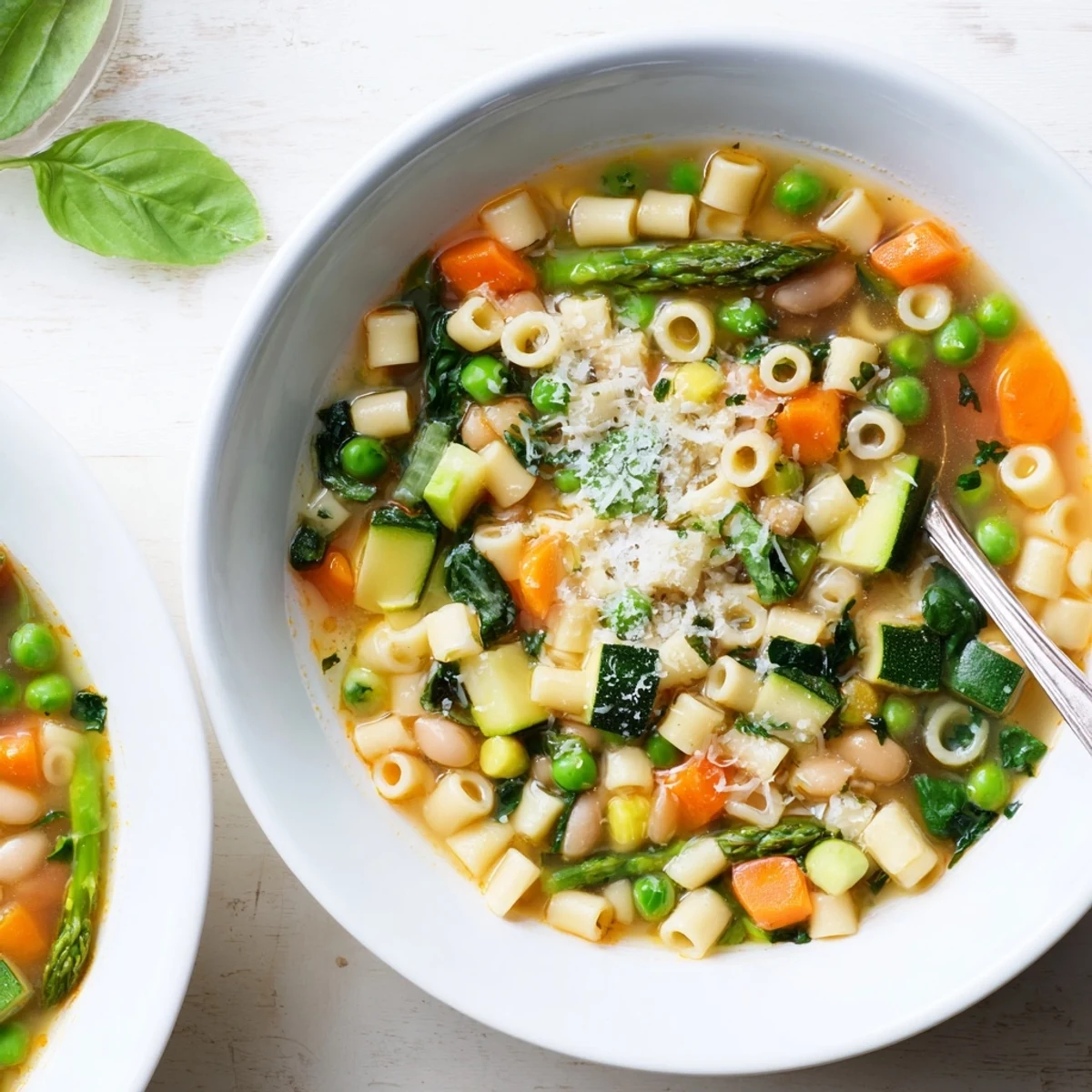
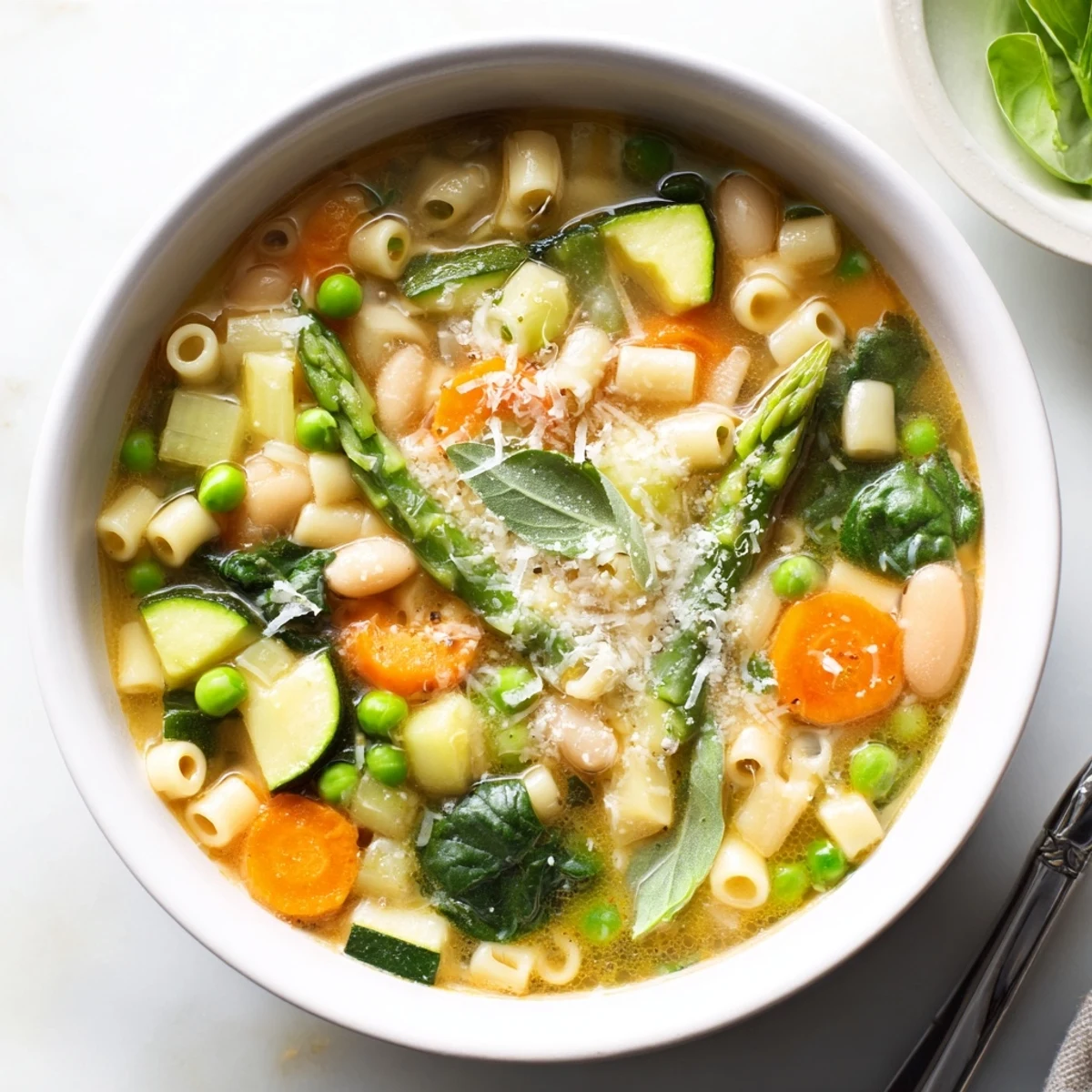
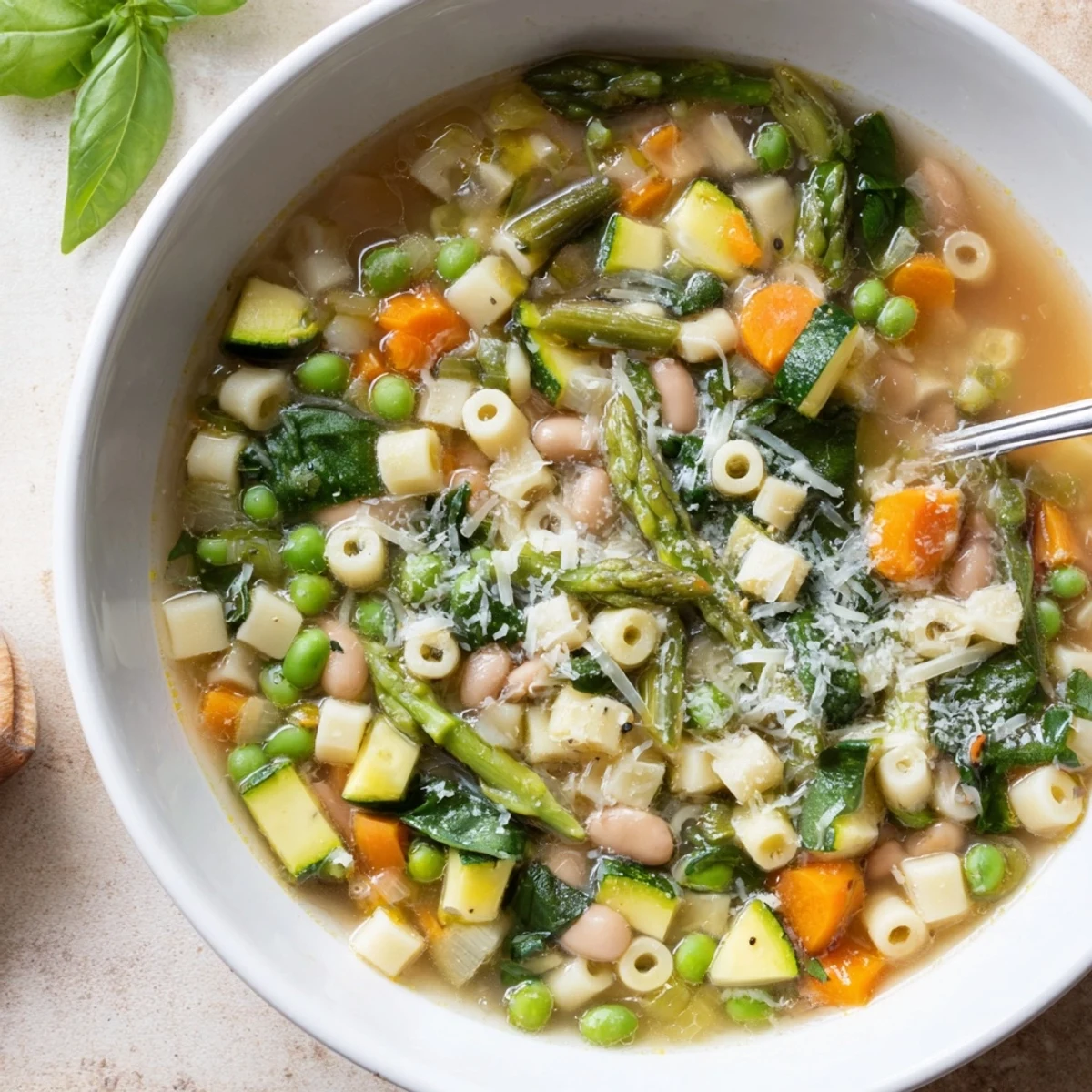
Save This spring minestrone brings together seasonal vegetables like asparagus, zucchini, and sweet peas with cannellini beans and small pasta in a fragrant vegetable broth. Fresh basil, parsley, and a splash of lemon juice brighten every bowl. It comes together in under 45 minutes with minimal prep, making it an ideal weeknight meal. The soup is naturally vegetarian and easily adapted for vegan diets by skipping the optional Parmigiano Reggiano. Serve it with crusty bread for a satisfying, nourishing dish that celebrates the best of spring produce.
There was a Saturday in late March when the farmers market suddenly looked like a completely different place, tables overflowing with slender asparagus and pea pods that squeaked when you squeezed them. I bought way more than two people needed and ended up building this soup on the spot, letting the vegetables dictate every choice. It tasted like the season itself had walked into my kitchen and refused to leave.
I made a huge batch of this for my neighbor who had just come home from the hospital with her newborn. She texted me the next morning saying it was the first thing she had eaten that actually tasted like something real, not hospital food, not delivery, just honest food. I have never felt more useful holding a wooden spoon.
Ingredients
- Olive oil: Use a good extra virgin here since it is the foundation of every flavor that builds after it
- Onion: Finely chopped so it melts into the broth rather than leaving discernible chunks
- Garlic: Minced small and added after the onion softens to avoid any bitter edge
- Carrots: Diced to roughly the same size as the pasta so every spoonful is balanced
- Asparagus: Cut into one inch pieces and keep the tips intact for the prettiest bowls
- Zucchini: Diced small because it can turn mushy if the pieces are too large
- Peas: Fresh ones are worth seeking out but frozen work perfectly fine in a pinch
- Baby spinach: Added at the very end so it keeps its vibrant green color
- Vegetable broth: A good quality broth makes or breaks this since the vegetables are delicate
- Cannellini beans: Drained and rinsed well to keep the broth clean and clear
- Small pasta: Ditalini or orzo both work but pick one and commit to it
- Salt and pepper: Season gradually and taste before that final adjustment
- Fresh basil: Chopped right before adding because it loses its perfume fast once cut
- Fresh parsley: Adds a grassy brightness that basil alone cannot provide
- Lemon juice: The secret weapon that wakes up every single ingredient in the pot
- Parmigiano Reggiano: Optional but honestly it turns a lovely soup into something unforgettable
Instructions
- Build the base:
- Heat olive oil in a large pot over medium heat, add the onion, and let it soften for about three minutes until it turns translucent and sweet.
- Add the aromatics:
- Stir in the garlic and carrots, cooking for two to three minutes until the kitchen starts smelling like an Italian grandmother is about to walk in.
- Bring in the spring vegetables:
- Add the asparagus, zucchini, and peas, stirring occasionally for another two minutes so everything gets coated in that fragrant oil.
- Simmer with broth and pasta:
- Pour in the vegetable broth, bring it to a boil, then add the cannellini beans and pasta. Reduce the heat, cover, and let it simmer for eight to ten minutes until the pasta and vegetables are both tender.
- Finish with greens and herbs:
- Stir in the spinach, basil, and parsley, cooking just one to two minutes until the spinach wilts and turns a deep glossy green.
- Season and serve:
- Remove from heat, stir in the lemon juice, adjust salt and pepper to taste, then ladle into bowls with grated Parmigiano Reggiano on top.
 Save
Save My partner, who normally regards soup as a sad winter food, ate two bowls of this standing at the counter and then asked if there was more. That felt like a small but real victory for spring produce everywhere.
Picking Your Vegetables
The beauty of this recipe is that it responds to whatever looks best at the market. I have swapped in fava beans when I found them, sliced green beans when asparagus was nowhere to be seen, and even shaved in some young leeks for a sweeter backbone.
Broth Matters More Than You Think
I once made this with a discount broth from the back of my pantry and the whole pot tasted flat no matter how much salt and lemon I added. A rich vegetable broth gives you a head start that no amount of seasoning can fake later.
Serving It Right
This soup deserves a thick slice of crusty bread for dunking and honestly a glass of cold Pinot Grigio alongside it. The bread soaks up the broth in a way that makes the last few bites the best ones.
- Warm your bowls in a low oven before ladling if you want the soup to stay hot longer
- A drizzle of your best olive oil on top adds a peppery finish
- Make extra because leftover minestrone is even better the next day
 Save
Save Spring does not last long enough to overthink it. Just make the soup and let the vegetables do what they do best.
Recipe Questions & Answers
- → What vegetables work best in spring minestrone?
-
Asparagus, zucchini, peas, and carrots are classic choices. You can also add fava beans, green beans, or leeks depending on what's fresh and available.
- → Can I make this soup ahead of time?
-
Yes, but the pasta may absorb broth as it sits. Store the soup and cooked pasta separately, then combine when reheating for the best texture.
- → Is this minestrone suitable for vegans?
-
The soup itself is vegan. Simply omit the Parmigiano Reggiano garnish or replace it with a plant-based cheese alternative.
- → What type of pasta should I use?
-
Small shapes like ditalini or orzo work well because they fit neatly on a spoon. Any small pasta will do—just avoid long strands.
- → How should I store leftovers?
-
Keep leftover soup in an airtight container in the refrigerator for up to 3 days. Reheat gently on the stovetop, adding a splash of broth if needed.
- → Can I use dried herbs instead of fresh?
-
Fresh basil and parsley provide the brightest flavor, but you can substitute dried versions using about one-third of the amount. Add dried herbs earlier in the cooking process.