
 Save
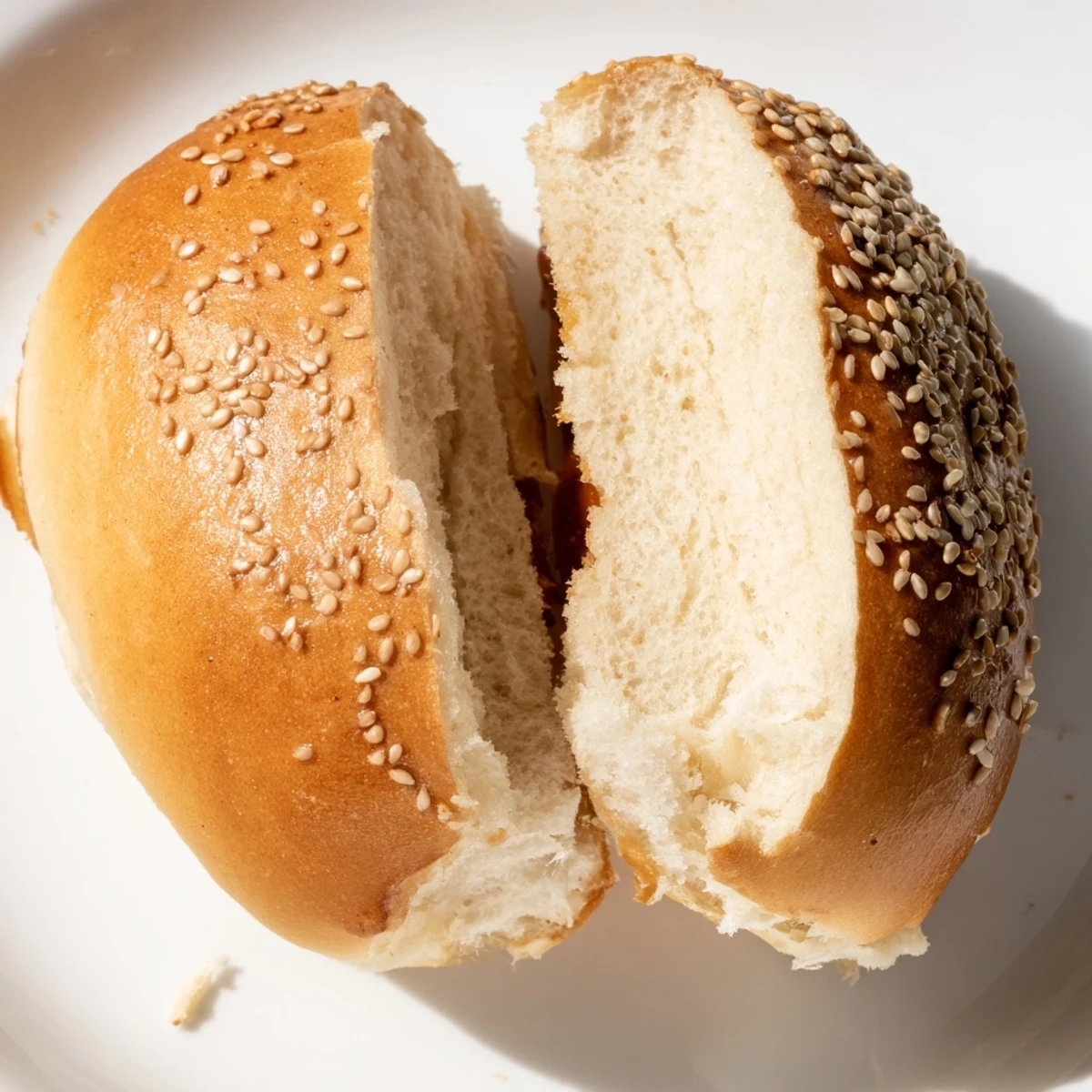
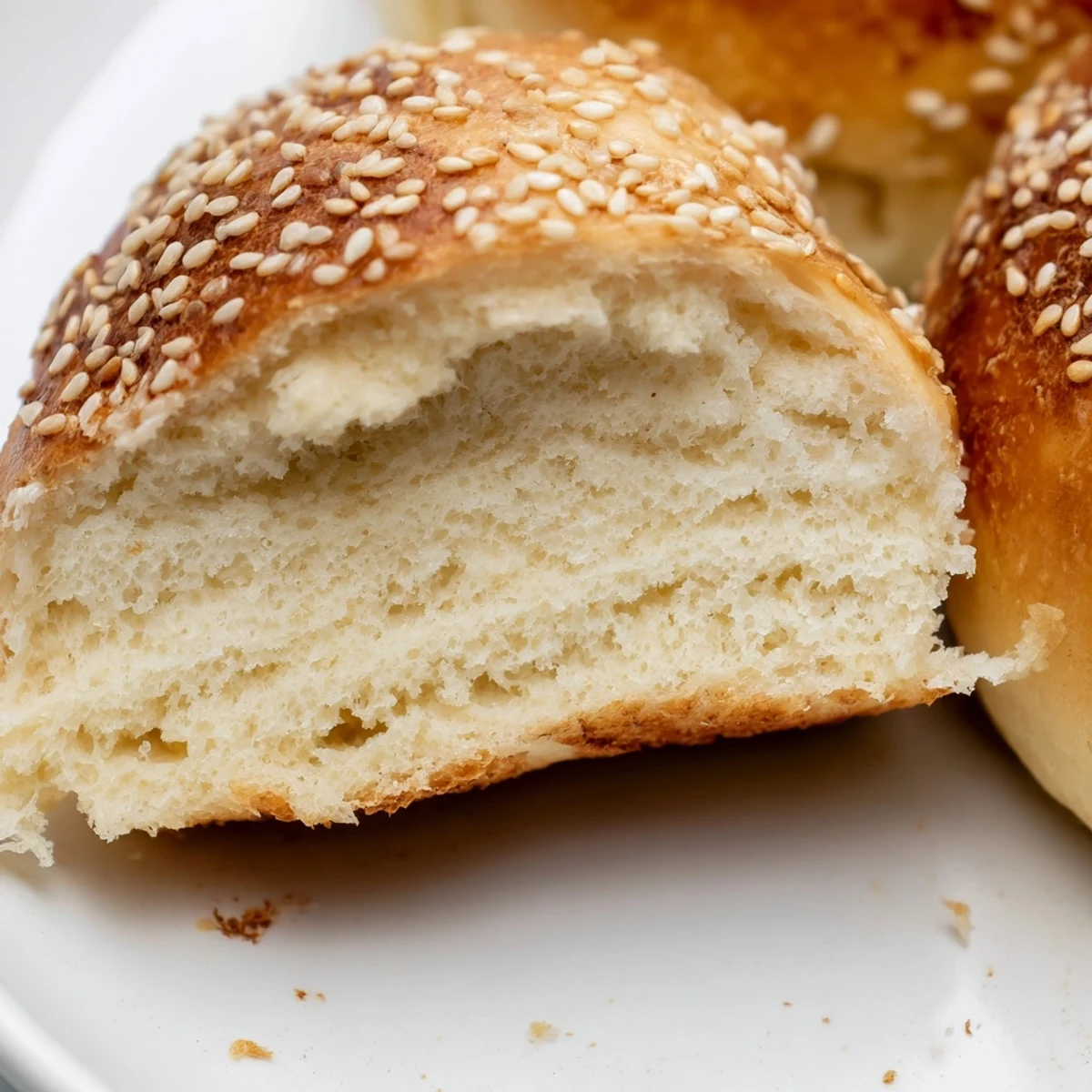
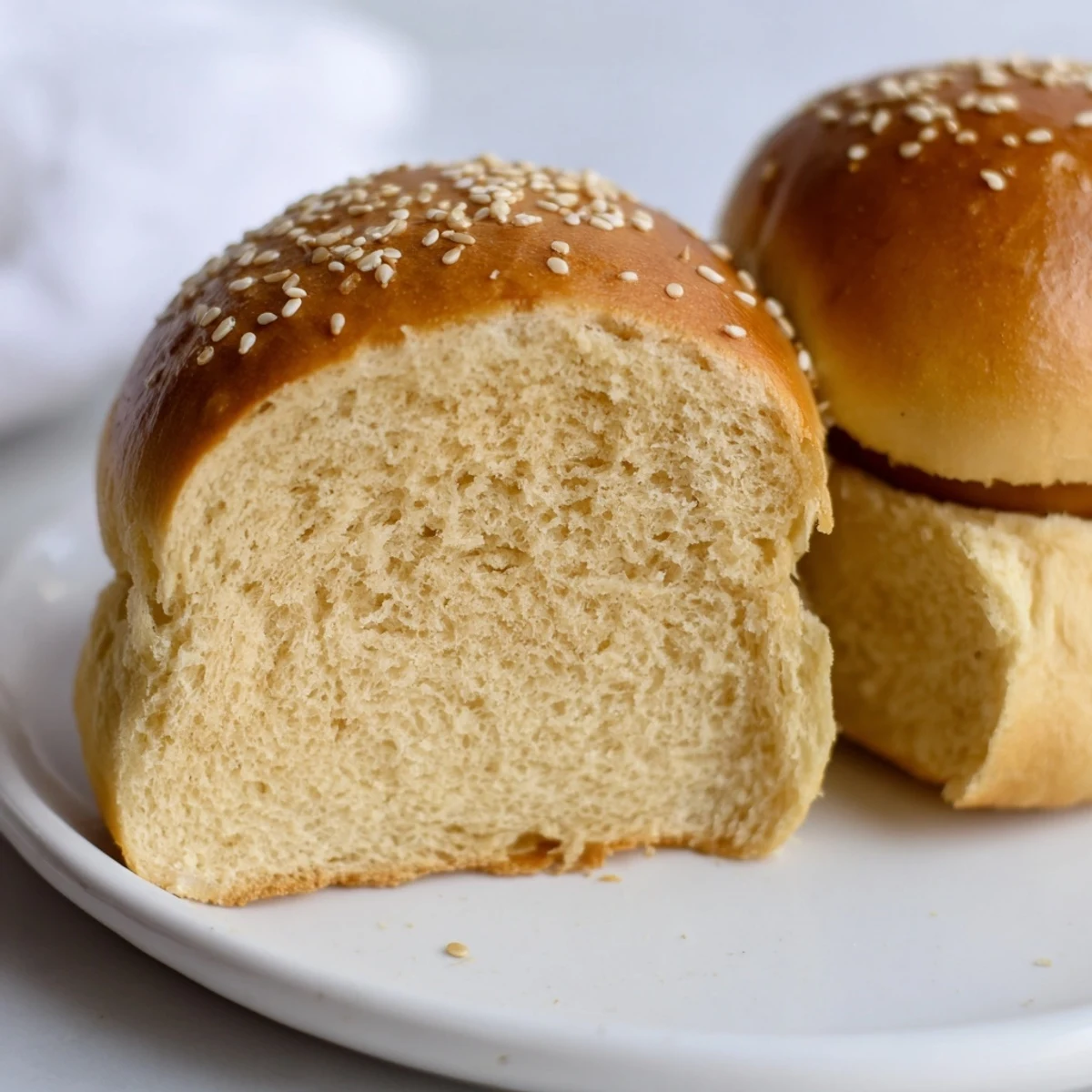
Save These soft, flavorful hot dog buns repurpose your sourdough discard into something extraordinary. The unfed starter adds a gentle tang and extra depth to the classic milk-and-butter dough. Each batch yields eight pillowy buns that bake to golden perfection in under 20 minutes. Brush them with butter while warm for an irresistibly soft crust, or add sesame seeds for extra crunch. The dough comes together quickly and requires just one rise before shaping. Perfect for summer cookouts, weeknight dinners, or weekend grilling sessions.
The smell of fresh-baked bread wafting through the house on a Saturday morning automatically puts everyone in a better mood. I started making these sourdough discard hot dog buns when my sourdough starter was taking over my kitchen, and now they've become a weekend tradition. Something about transforming what would be waste into pillowy, golden rolls feels incredibly satisfying.
Last summer, I made these for a backyard barbecue and watched them disappear faster than the hot dogs themselves. My neighbor asked for the recipe before she even finished her first bite. There's something special about serving homemade bread at a casual gathering—it elevates the whole experience without seeming pretentious.
Ingredients
- Sourdough discard: This unfed starter brings that characteristic tang and extra fermentation flavor you can't get from regular bread dough
- Warm milk: Creates a tender, soft crumb and helps activate the yeast quickly
- Unsalted butter: Adds richness and contributes to that bakery-style softness
- Sugar: Feeds the yeast and helps the buns develop that beautiful golden color in the oven
- Egg: Provides structure and helps the buns hold their shape while staying light
- Salt: Essential for flavor and controlling yeast activity
- All-purpose flour: Start with 3 and 3/4 cups and only add more if the dough feels too sticky
- Instant yeast: One packet gives reliable rise without needing proofing time
- Milk for brushing: Helps seeds stick and adds shine to the finished buns
- Melted butter: Brushing hot buns keeps the crust soft and buttery
Instructions
- Wake up the yeast:
- Combine warm milk, sugar, and yeast in your largest mixing bowl. Let it sit for 3-5 minutes until you see tiny bubbles forming across the surface.
- Build the base:
- Add sourdough discard, melted butter, egg, and salt to the yeast mixture. Stir until everything is incorporated and the discard is well distributed.
- Form the dough:
- Gradually add flour one cup at a time, mixing after each addition. Stop when you have a soft, slightly tacky dough that holds together.
- Knead it out:
- Turn the dough onto a lightly floured surface and knead for 7-8 minutes. The dough should become smooth and spring back when you press it.
- First rise:
- Place dough in a greased bowl, cover with a towel, and let rise until doubled. This usually takes 1 to 1.5 hours depending on your kitchen temperature.
- Shape the buns:
- Punch down gently and divide into 8 equal pieces. Roll each into a smooth log about 6 inches long, tapering the ends slightly.
- Second rise:
- Arrange buns on a parchment-lined baking sheet with 2 inches between them. Cover and let rise until puffy, about 30-45 minutes.
- Bake to golden:
- Preheat oven to 375°F. Brush buns with milk, add seeds if using, and bake for 18-20 minutes until deep golden brown.
- Finish with butter:
- Remove from oven and immediately brush with melted butter. Cool completely before slicing for the best texture.
 Save
Save These buns have become my go-to contribution to potlucks because they travel so well. I've arrived at gatherings with a warm basket and watched people's eyes light up. Food that shows you cared enough to bake from scratch has a way of making people feel special.
Getting The Perfect Shape
I used to struggle with getting uniform bun shapes until I learned to roll them gently like playdough snakes instead of pulling them. The tapered ends give them that professional bakery look without any fancy technique.
Timing Your Bake
Plan your baking so the buns finish about 30 minutes before you need them. They're best served slightly warm but need time to set so they don't squish when sliced.
Storage Solutions
Fresh buns keep for 2-3 days at room temperature in a sealed bag. For longer storage, freeze them immediately after cooling and thaw at room temperature when needed.
- Wrap frozen buns individually to prevent freezer burn
- Refresh day-old buns with a 5-minute stint in a 350°F oven
- Slice before freezing for quick sandwich assembly later
 Save
Save There's nothing quite like biting into a hot dog sandwiched between your own freshly baked buns. Hope these become a staple in your kitchen like they have in mine.
Recipe Questions & Answers
- → Can I use active sourdough starter instead of discard?
-
Yes, you can substitute active starter for discard. Reduce the flour slightly since active starter has more hydration, and expect a slightly more pronounced tang in the final result.
- → How should I store these buns?
-
Keep buns in an airtight container at room temperature for up to 2 days. For longer storage, freeze them in a freezer bag for up to 3 months. Thaw at room temperature and refresh in a warm oven if needed.
- → Can I make the dough ahead of time?
-
Absolutely. After the first rise, punch down the dough and refrigerate it overnight. Let it come to room temperature for 30 minutes before shaping and proceeding with the second rise.
- → What makes these buns different from regular hot dog buns?
-
The sourdough discard adds complexity and a subtle tangy flavor while improving texture. The fermentation also enhances digestibility and extends freshness compared to commercial buns.
- → Can I shape these into hamburger buns?
-
Certainly. Divide the dough into 6-8 pieces, flatten into rounds about 4 inches wide, and follow the same rising and baking instructions. Adjust baking time by 2-3 minutes as needed.
- → Why did my buns turn out dense?
-
Dense buns often result from over-kneading, under-proofing, or using too much flour. Ensure the dough passes the windowpane test, let it double fully during rises, and measure flour by weight when possible.