
 Save
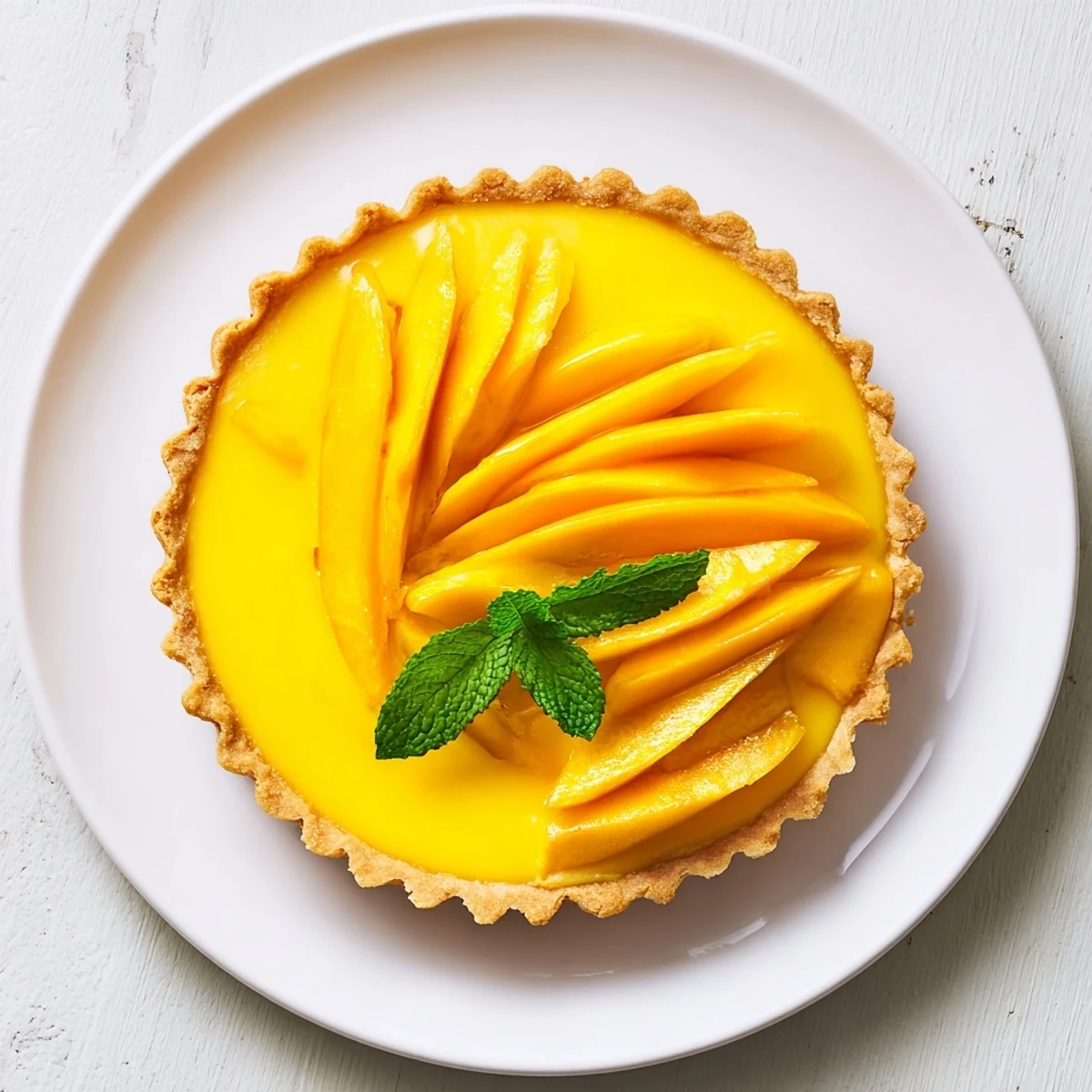
Save This elegant tart combines a crisp, buttery pastry shell with a silky smooth mango curd filling. The tropical fruit pairs beautifully with fresh lime juice, creating a bright, refreshing dessert that's perfect for summer gatherings or special occasions. The crust comes together quickly in a food processor, while the curd requires gentle stirring over medium-low heat until thickened and glossy.
The first time I made mango curd was completely by accident. I had bought too many mangoes at the market, they were ripening faster than we could eat them, and I refused to let any go to waste. That impromptu experiment evolved into this tart, which has since become the dessert my friends actually request by name.
Last summer I brought this tart to a rooftop dinner party. Someone took one bite, eyes went wide, and immediately asked for the recipe instead of talking to anyone else for ten minutes. Now it is my go-to when I need something that feels impressive but comes together reasonably.
Ingredients
- All-purpose flour: The backbone of a crust that holds together without becoming tough
- Unsalted butter, cold and cubed: Cold butter creates those flaky layers we all want in a tart shell
- Powdered sugar: Dissolves more easily than granulated, giving the crust a tender crumb
- Fine sea salt: Just enough to balance the sweetness without tasting salty
- Egg yolk: Adds richness and helps the dough come together beautifully
- Ice-cold water: Brings the dough together while keeping butter cold
- Fresh mango puree: Use perfectly ripe mangoes for the best flavor and natural sweetness
- Granulated sugar: Sweetens the curd without overpowering the mango flavor
- Eggs and egg yolks: The yolks give body while whole eggs provide structure
- Freshly squeezed lime juice: Brightens the mango and balances all that richness
- Unsalted butter, cubed: Whisked in at the end for that impossibly smooth finish
Instructions
- Make the crust dough:
- Pulse the flour, powdered sugar, and salt until combined, then add cold butter and keep pulsing until you see coarse crumbs. Add the egg yolk and ice water, pulsing just until the dough starts to come together but still looks shaggy.
- Chill the dough:
- Turn the dough out onto a lightly floured surface and form it into a disk with your hands. Wrap it in plastic and let it rest in the fridge for at least 30 minutes so the gluten relaxes.
- Roll and shape:
- Preheat your oven to 350°F and roll the dough out to fit a 9-inch tart pan. Press it gently into the pan, trim the excess, and prick the base all over with a fork so it does not puff up.
- Blind bake the shell:
- Line the crust with parchment paper and fill it with baking weights or dried beans. Bake for 15 minutes, then remove the weights and paper and bake another 10 to 12 minutes until golden.
- Cook the mango curd:
- Whisk together mango puree, sugar, eggs, egg yolks, and lime juice in a medium saucepan. Cook over medium-low heat, stirring constantly, until the curd thickens enough to coat the back of a spoon, about 8 to 10 minutes.
- Add the butter:
- Remove the pan from heat and whisk in the cubed butter until the curd becomes smooth and glossy. Strain it through a fine-mesh sieve to catch any bits of cooked egg.
- Assemble the tart:
- Pour the cooled mango curd into the completely cooled tart shell and smooth the top with an offset spatula. Chill for at least 1 hour until the curd is set and firm.
- Finish and serve:
- Garnish with fresh mango slices, mint leaves, or edible flowers right before serving. The tart tastes best slightly chilled but not ice cold.
 Save
Save My sister served this at her wedding shower last spring. People kept asking where she ordered it from, genuinely surprised when she said she made it herself. That is the kind of dessert this is.
Making It Ahead
The curd keeps beautifully in the refrigerator for up to three days, so you can make it well in advance. The baked tart shell can also be stored in an airtight container. Just assemble them the same day you plan to serve for the freshest texture.
Getting The Best Mango Flavor
I have learned that the mango variety matters more than I initially thought. Ataulfo mangoes tend to be sweeter and less fibrous than the common Tommy Atkins variety. Puree the mango in a blender until completely smooth for the most velvety curd possible.
Serving Suggestions
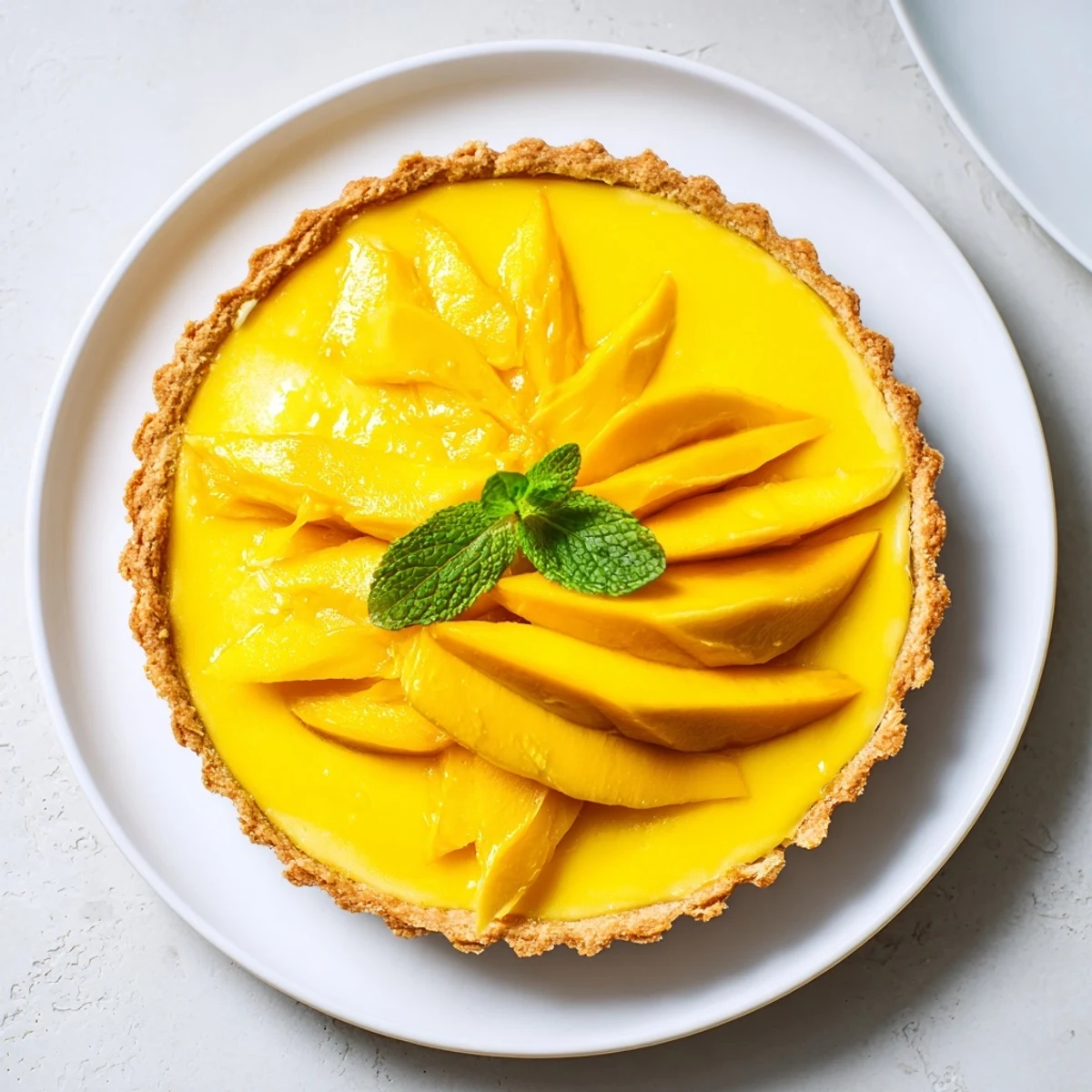
This tart shines brightest with very little embellishment. A light dusting of powdered sugar or a few perfectly placed mango slices is usually enough. If you want to make it feel special, serve it with a glass of late-harvest Riesling.
- Let the tart sit at room temperature for 10 minutes before slicing
- Use a sharp knife dipped in hot water for clean cuts
- Store leftovers covered in the refrigerator for up to two days
 Save
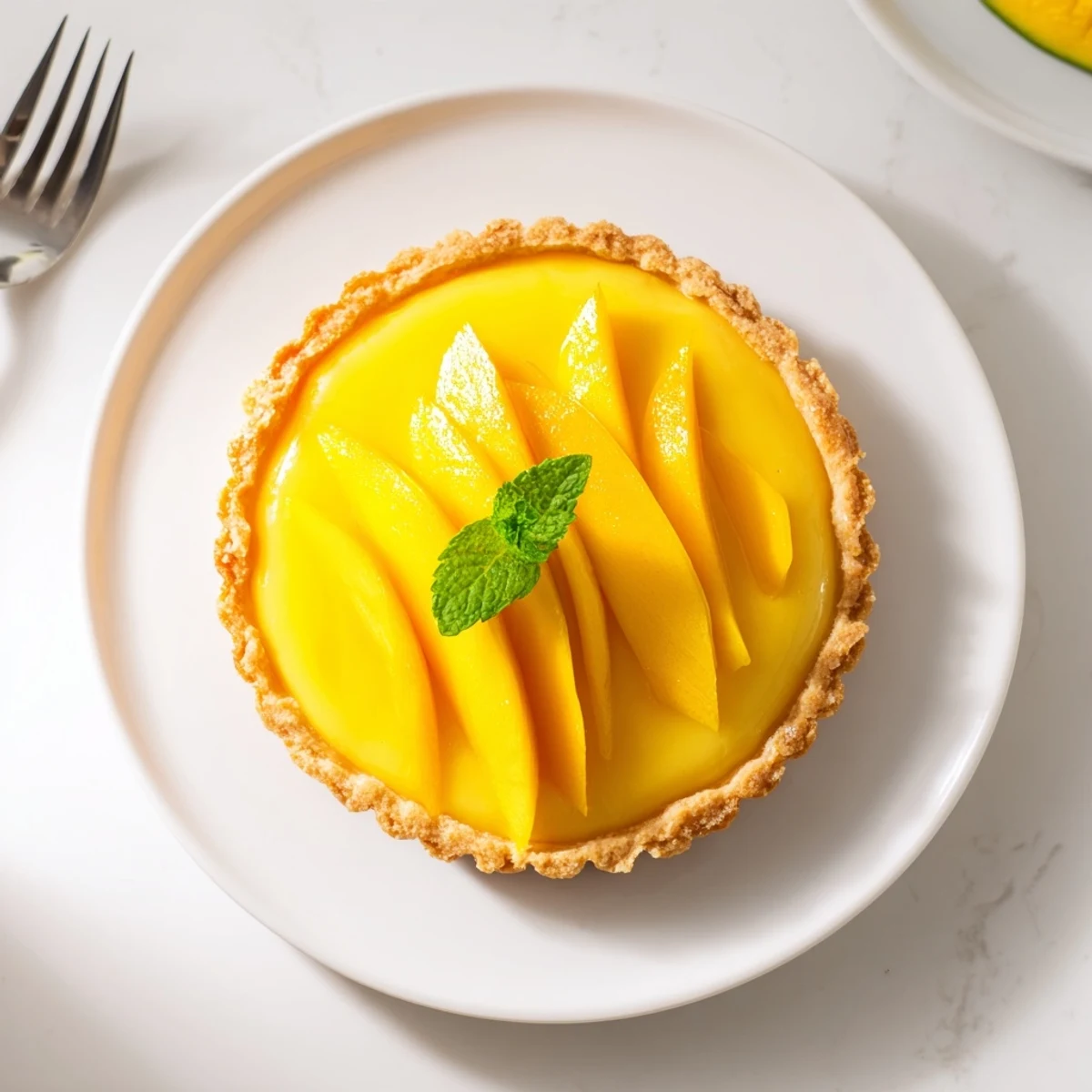
Save There is something about the bright yellow curd against golden pastry that makes people smile before they even take a bite. I hope this tart finds its way into your summer rotation.
Recipe Questions & Answers
- → How far in advance can I make this tart?
-
You can prepare the curd up to a day ahead and store it refrigerated. The fully assembled tart keeps well for 2-3 days when covered and chilled, though the crust may soften slightly over time.
- → Can I use frozen mango puree instead of fresh?
-
Yes, frozen mango puree works well in this curd. Thaw it completely before using and strain if necessary to remove any fibrous pieces for the smoothest texture.
- → Why do I need to strain the curd?
-
Straining removes any bits of cooked egg and ensures an ultra-smooth, silky texture. It's an extra step that makes a noticeable difference in the final presentation and mouthfeel.
- → What can I use if I don't have baking weights?
-
Dried beans or rice work perfectly as pie weights. Line the crust with parchment, fill with beans, and they can be reused for future baking projects.
- → How do I know when the curd is thick enough?
-
The curd is ready when it coats the back of a spoon and leaves a clear trail when you run your finger through it. This usually takes 8-10 minutes of constant stirring.
- → Can I make this gluten-free?
-
Substitute the all-purpose flour with a 1:1 gluten-free baking blend in the crust. The texture will be slightly different but still delicious and perfectly suitable for those avoiding gluten.