
 Save
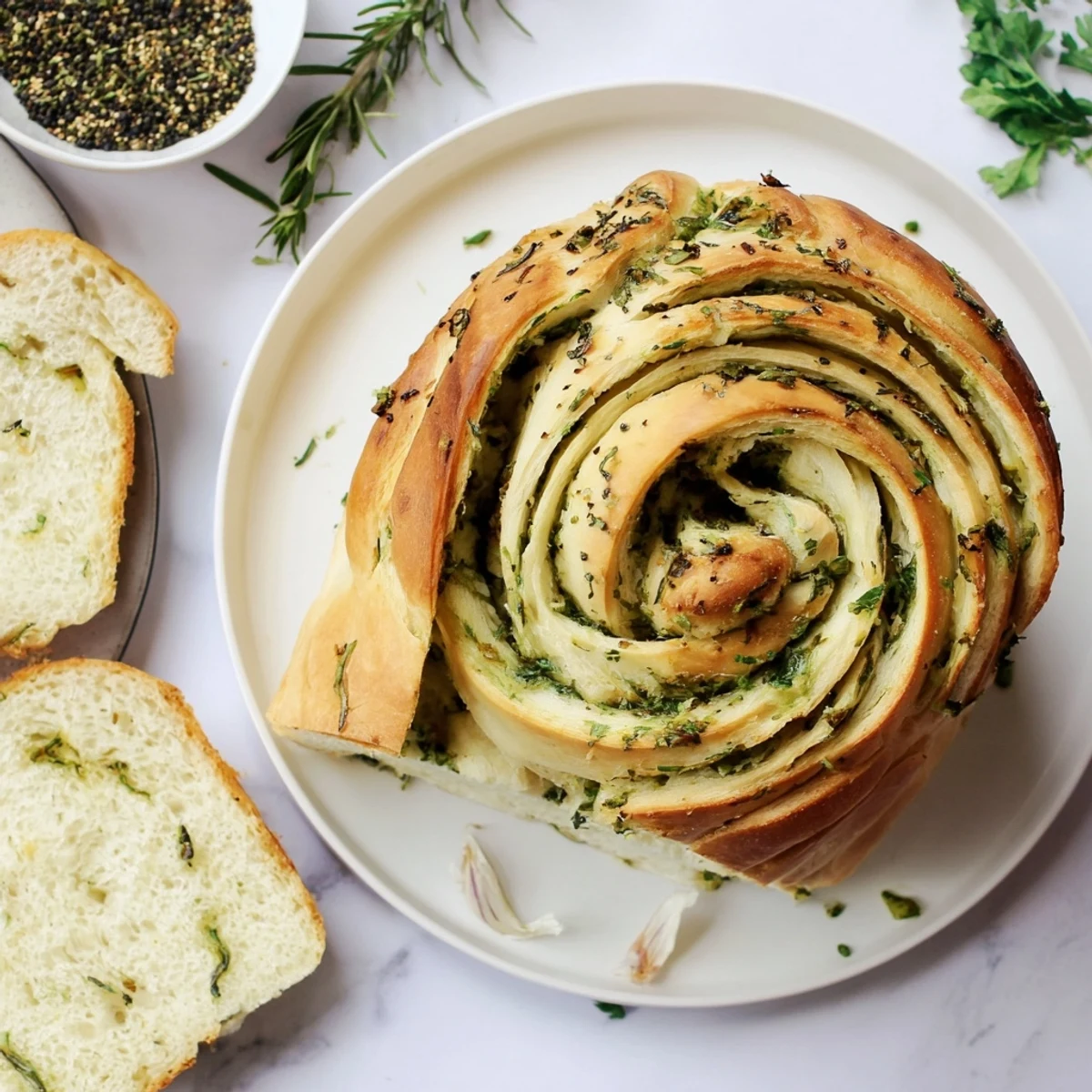
Save This aromatic loaf combines fresh parsley, rosemary, and chives with roasted garlic, creating a fragrant bread that's perfect for dipping in soups or serving alongside pasta. The dough rises to golden perfection in the oven, developing a crispy exterior while staying soft inside. Each slice delivers buttery herb flavor that transforms any meal into something special.
The preparation comes together in under an hour of active time, with most of the work done by the yeast during rising. Spread with the garlic herb butter before rolling and baking for maximum flavor infusion.
The smell of garlic butter melting into warm bread has stopped more dinner conversations than I can count. I first made this on a rainy Sunday when soup was simmering and the house felt too quiet. My husband walked in from the garage and actually abandoned his grocery bags in the hallway to follow the aroma into the kitchen.
Last winter my sister insisted I bring this to her monthly book club saying it was the only thing that could make discussing literary fiction bearable. Five people asked for the recipe before we even finished the first chapter. Now it is our unofficial club mascot.
Ingredients
- All-purpose flour: The structure builder here. I have tried bread flour but honestly the texture stays perfect with regular flour
- Active dry yeast: Make sure your water is warm like bath temperature not hot or the yeast will not wake up properly
- Sugar: Just enough to feed the yeast and help the dough rise beautifully
- Salt: Essential for flavor but do not let it touch the yeast directly or it will inhibit growth
- Warm water: The activator that brings everything to life
- Olive oil: Keeps the bread tender and adds a subtle richness
- Unsalted butter: Softened to room temperature so it spreads seamlessly across the dough
- Fresh garlic: Four cloves might feel aggressive but trust me the baking tames the sharpness perfectly
- Fresh herbs: Parsley brings brightness rosemary adds pine notes and chives contribute mild onion flavor
Instructions
- Wake up the yeast:
- Combine the sugar yeast and warm water in a large bowl. Walk away for five minutes and come back to find a foamy layer on top that proves your yeast is alive and ready to work.
- Build the dough:
- Add the flour salt and olive oil to the yeast mixture. Stir until you have a shaggy messy dough that looks like it needs help.
- Knead until smooth:
- Turn onto a floured surface and knead for about ten minutes. The dough will fight you at first then suddenly become smooth elastic and almost silklike under your hands.
- First rise:
- Place the dough in an oiled bowl cover it and find the warmest spot in your kitchen. Let it double in size which usually takes about an hour depending on your kitchen temperature.
- Make the garlic butter:
- While dough rises mix softened butter with minced garlic parsley rosemary chives pepper and salt. The mixture should be fragrant and spreadable.
- Roll and fill:
- Punch down the risen dough and roll it into a rectangle. Spread the garlic herb butter all the way to the edges.
- Shape the loaf:
- Roll the dough tightly from the short end like a jelly roll and place it seam side down in a greased loaf pan.
- Second rise:
- Cover and let it puff up for thirty minutes while you preheat your oven to 350°F.
- Bake to golden:
- Bake for thirty to thirty five minutes until the top is golden brown and the loaf sounds hollow when tapped.
- Cool before slicing:
- Let it rest in the pan for ten minutes then turn out onto a wire rack. Slicing too soon will steam the bread and make it gummy.
 Save
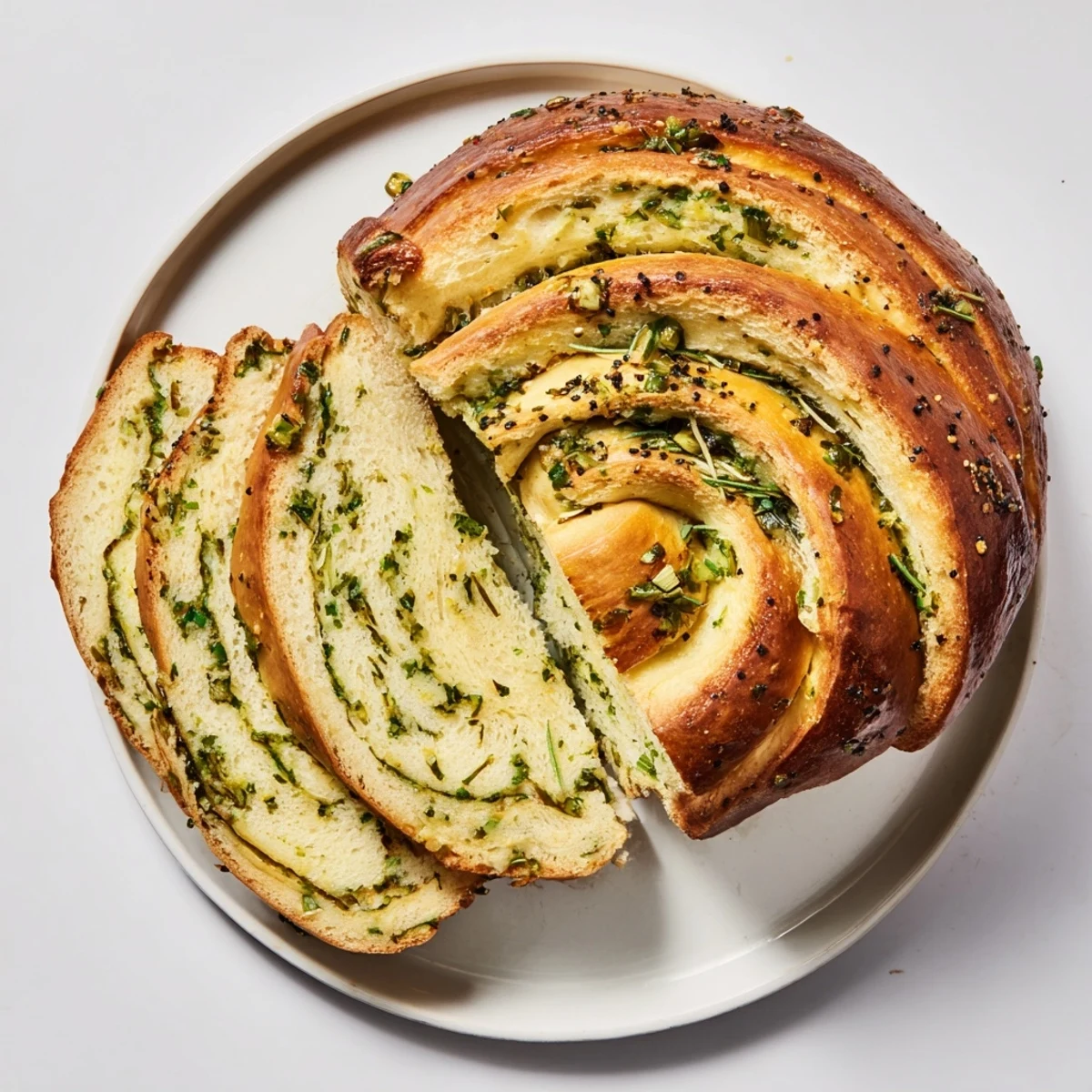
Save This bread has turned random Tuesday dinners into occasions worth remembering. I once baked three loaves for a neighborhood potluck and watched them disappear in under fifteen minutes.
Getting The Rise Right
Your kitchen temperature affects rising time more than most people realize. In winter I turn my oven light on and place the dough nearby the gentle warmth creates the perfect proofing environment without being too hot.
Herb Substitutions That Work
Fresh herbs make this bread exceptional but dried herbs work in a pinch. Use one third the amount since dried herbs are more concentrated. The flavor profile will shift slightly but the result remains delicious.
Serving Suggestions
This bread shines alongside soups and pastas but I have been known to eat it plain standing at the counter. It also makes incredible garlic bread sandwiches the next day.
- Slice extra thick and grill for panini style sandwiches
- Toast leftovers and top with a fried egg for breakfast
- Cube day old bread for the best croutons you will ever make
 Save
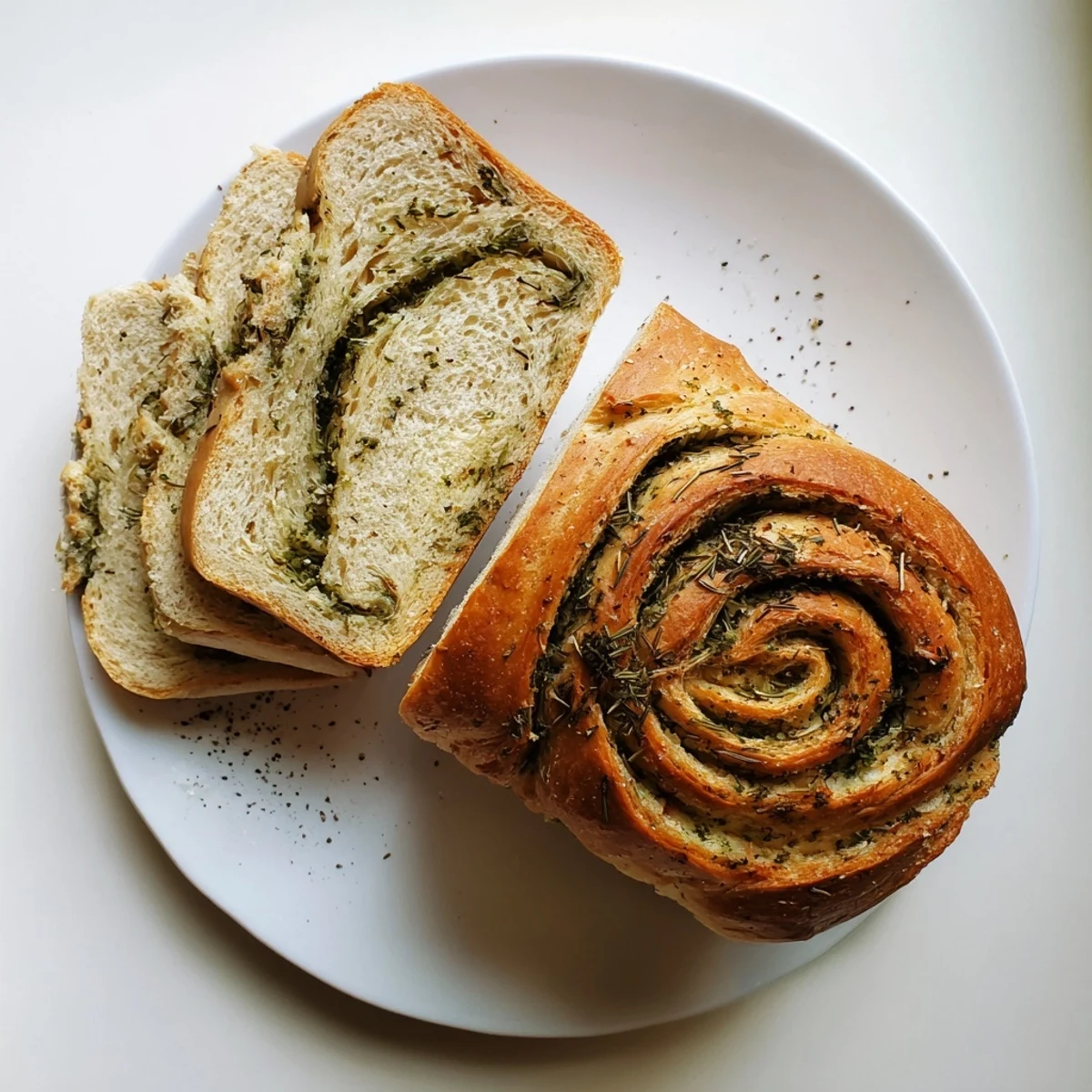
Save There is something deeply satisfying about pulling a warm loaf from the oven especially one that fills your home with the scent of garlic and herbs. Hope this becomes a staple in your kitchen too.
Recipe Questions & Answers
- → Can I use dried herbs instead of fresh?
-
Yes, substitute with 1½ tsp dried mixed Italian herbs. Dried herbs are more concentrated, so use about one-third the amount of fresh. The flavor will still be delicious, though slightly less vibrant than fresh herbs.
- → How should I store leftover garlic herb bread?
-
Wrap cooled bread tightly in plastic wrap or place in an airtight bag at room temperature for up to 2 days. For longer storage, freeze sliced bread in freezer bags for up to 3 months. Reheat in a 350°F oven for 10 minutes to restore crispness.
- → Can I make this bread vegan?
-
Absolutely. Replace the unsalted butter with your favorite plant-based butter alternative. The texture and flavor will remain similar, making it suitable for vegan diets without compromising quality.
- → What dishes pair well with this garlic herb bread?
-
This loaf shines alongside tomato-based pasta dishes, creamy soups, or fresh green salads. The garlic and butter complement Italian cuisine particularly well, though it works with almost any savory meal that benefits from bread for dipping or sopping up sauces.
- → How can I tell when the bread is fully baked?
-
The crust should be golden brown, and when you tap the bottom of the loaf, it should sound hollow rather than dense. An instant-read thermometer inserted into the center should read 190–200°F. If the top browns too quickly, tent loosely with foil.
- → Can I prepare the dough ahead of time?
-
After the first rise, you can punch down the dough, wrap it tightly, and refrigerate for up to 12 hours. Bring to room temperature before proceeding with rolling and adding the herb butter. This actually develops more complex flavor.