
 Save
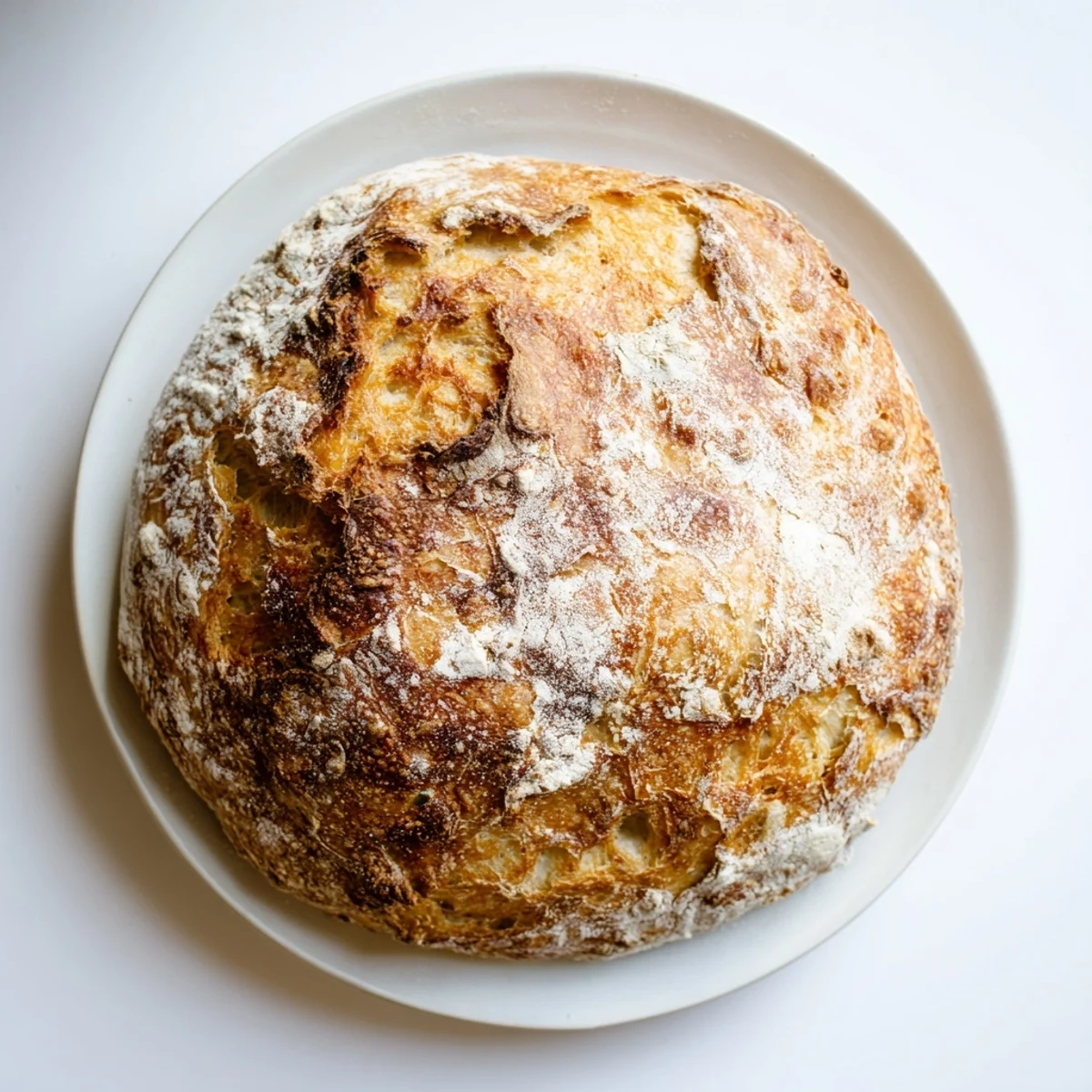
Save This straightforward method delivers bakery-quality results with almost no effort. Simply combine flour, salt, yeast, and water, then let time work its magic during an overnight rise. The dough develops structure and flavor naturally, eliminating the need for kneading while creating that coveted crackling crust and airy interior. Bake in a preheated Dutch oven for professional steam-oven effects at home.
The first time I made this bread, I actually forgot about it overnight and woke up to a dough that had taken over my entire counter. That happy accident turned into the most magnificent loaf I have ever baked, with a crust that sang when I cut it and an interior full of perfect irregular holes.
My sister-in-law stayed over last winter and watched me take the bread out of the oven. She literally gasped when she heard the crust crackling in the quiet kitchen, and now she makes this every single Sunday without fail. That sound is pure kitchen music.
Ingredients
- Bread flour: The higher protein content gives you that chewy bakery texture you have been chasing forever
- Salt: Do not skip this or your bread will taste like sad cardboard instead of something you actually want to eat
- Instant yeast: No need to bloom it in water first, it goes straight into the flour mix like a dream
- Lukewarm water: Think bathwater temperature, not hot enough to kill those eager little yeast organisms
- Extra flour for dusting: This keeps your dough from becoming a permanent sticky resident on your countertop
Instructions
- Mix the dry ingredients:
- Whisk the flour, salt, and yeast together in your biggest bowl until they are one happy family
- Add the water:
- Pour in the warm water and stir with a wooden spoon until you have a shaggy, sticky mess that looks wrong but is absolutely right
- Let it rest overnight:
- Cover your bowl tightly and forget about it for at least 12 hours while the yeast works its mysterious overnight transformation
- Shape the dough:
- Turn that bubbly dough onto a floured surface and gently fold the edges under to form a rough ball, handling it just enough to create some surface tension
- Rest again:
- Set your dough ball on floured parchment paper, cover it, and let it relax for 30 to 60 minutes while you preheat your oven
- Preheat your Dutch oven:
- Put your Dutch oven and its lid in a cold oven, then crank it to 450 degrees and let everything get screaming hot for at least 30 minutes
- Bake covered:
- Transfer the dough into the hot Dutch oven using the parchment as a sling, cover it tightly, and bake for 30 minutes to create steam
- Uncover and finish:
- Remove the lid and bake another 12 to 15 minutes until your loaf is a deep golden brown that makes you proud
- Cool completely:
- Resist the urge to cut into it right away or the steam will escape and you will end up with gummy bread
 Save
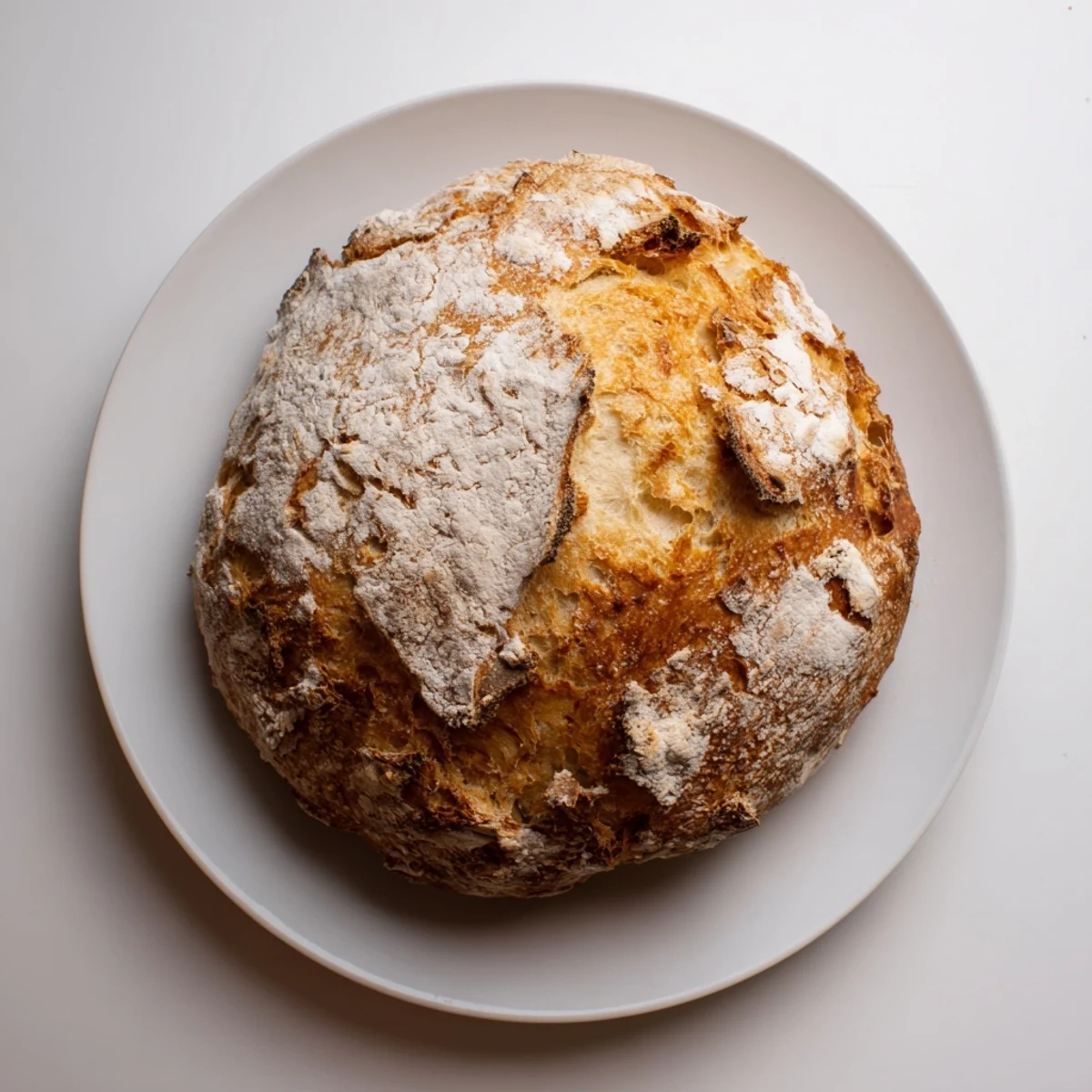
Save I made this bread during a dinner party once and my guests literally hovered around the cooling rack, picking off crusty bits while we talked. The whole loaf disappeared before dinner even hit the table.
The Science Behind No Knead
Long fermentation time replaces all that kneading work. The enzymes break down proteins and develop gluten structure while you sleep, so you get artisan bread without the arm workout.
Making It Your Own
Once you master the basic recipe, you can experiment with confidence. Add chopped rosemary and roasted garlic, mix in kalamata olives, or swirl in some cinnamon and raisins for a sweet version.
Storage And Serving
This bread keeps beautifully on the counter for a couple days, wrapped in a cloth bag. Reheat slices in a toaster to revive the crust.
- Freeze whole loaves wrapped tightly in plastic and thaw on the counter overnight
- Stale slices make incredible croutons or breadcrumbs for future recipes
- The flavor actually develops more complexity on day two
 Save
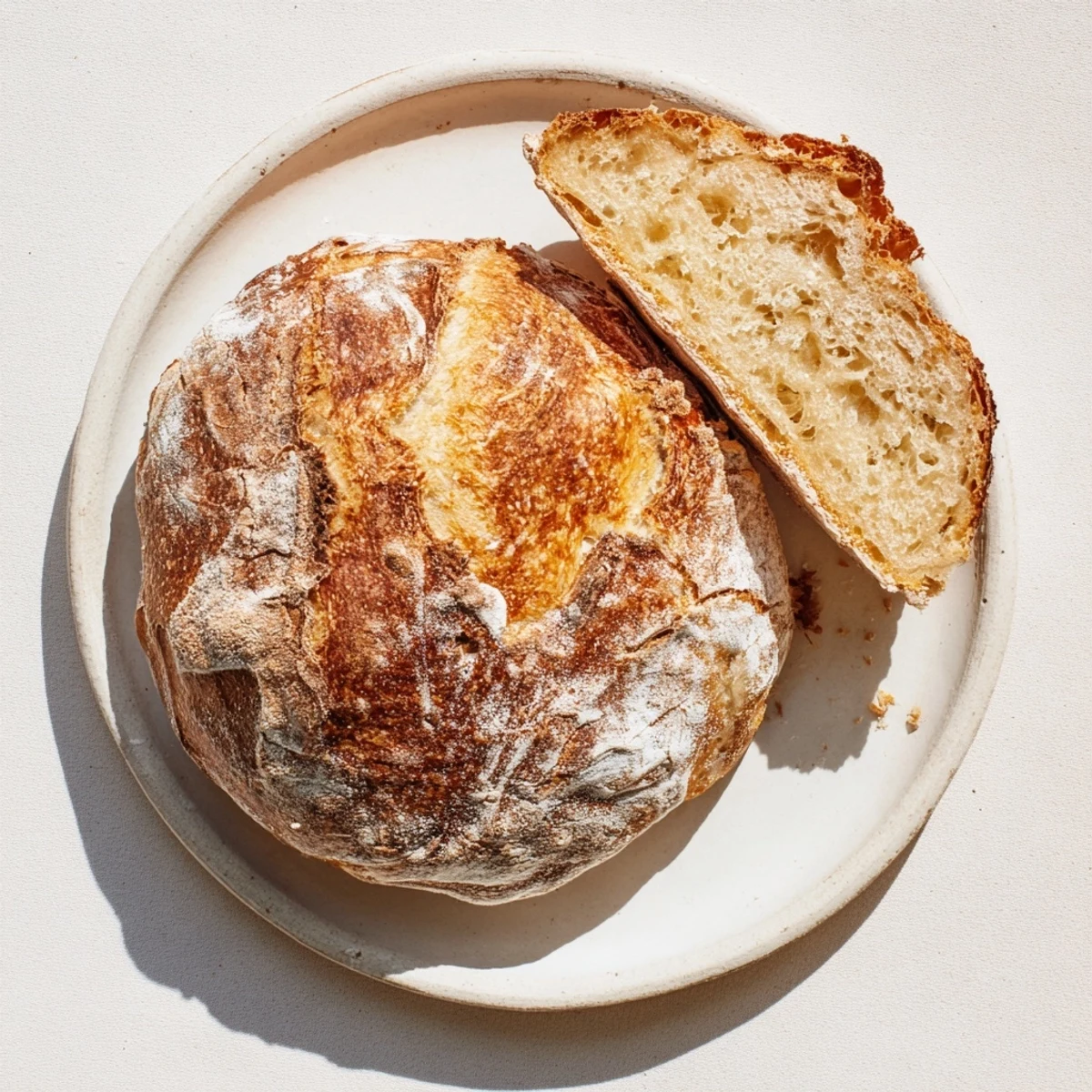
Save There is something deeply satisfying about pulling a homemade loaf from the oven, hearing it crackle, and knowing you made something this beautiful with almost no effort. Your kitchen will smell like a bakery.
Recipe Questions & Answers
- → Why does this dough need to rise for 12-18 hours?
-
The extended fermentation allows enzymes to break down starches and proteins naturally, developing complex flavor and strengthening the gluten network without kneading. This slow rise creates that distinctive open crumb structure and deep, slightly tangy taste typical of artisan loaves.
- → Can I reduce the rising time?
-
While technically possible, shortening the rise compromises flavor development and texture. The long fermentation is essential for achieving the characteristic chewy interior and crispy crust. Plan ahead—mix the dough in the evening for fresh baking the next day.
- → What if I don't have a Dutch oven?
-
A Dutch oven creates steam retention crucial for crust formation. Alternatives include a heavy cast-iron pot with a tight-fitting lid, a clay cloche, or placing a metal baking pan on the lower rack to create steam. Results may vary slightly but remain satisfactory.
- → How do I know when the loaf is fully baked?
-
The crust should appear deep golden brown with some darker caramelized spots. Tapping the bottom produces a hollow sound, indicating proper doneness. An instant thermometer inserted into the center should read 200-205°F (93-96°C).
- → Can I add mix-ins like herbs or cheese?
-
Absolutely. Incorporate up to 1 cup of additions such as chopped rosemary, roasted garlic, grated cheese, or sun-dried tomatoes during the initial mixing. Avoid excess moisture from fresh ingredients, and adjust flour slightly if needed to maintain dough consistency.