
 Save
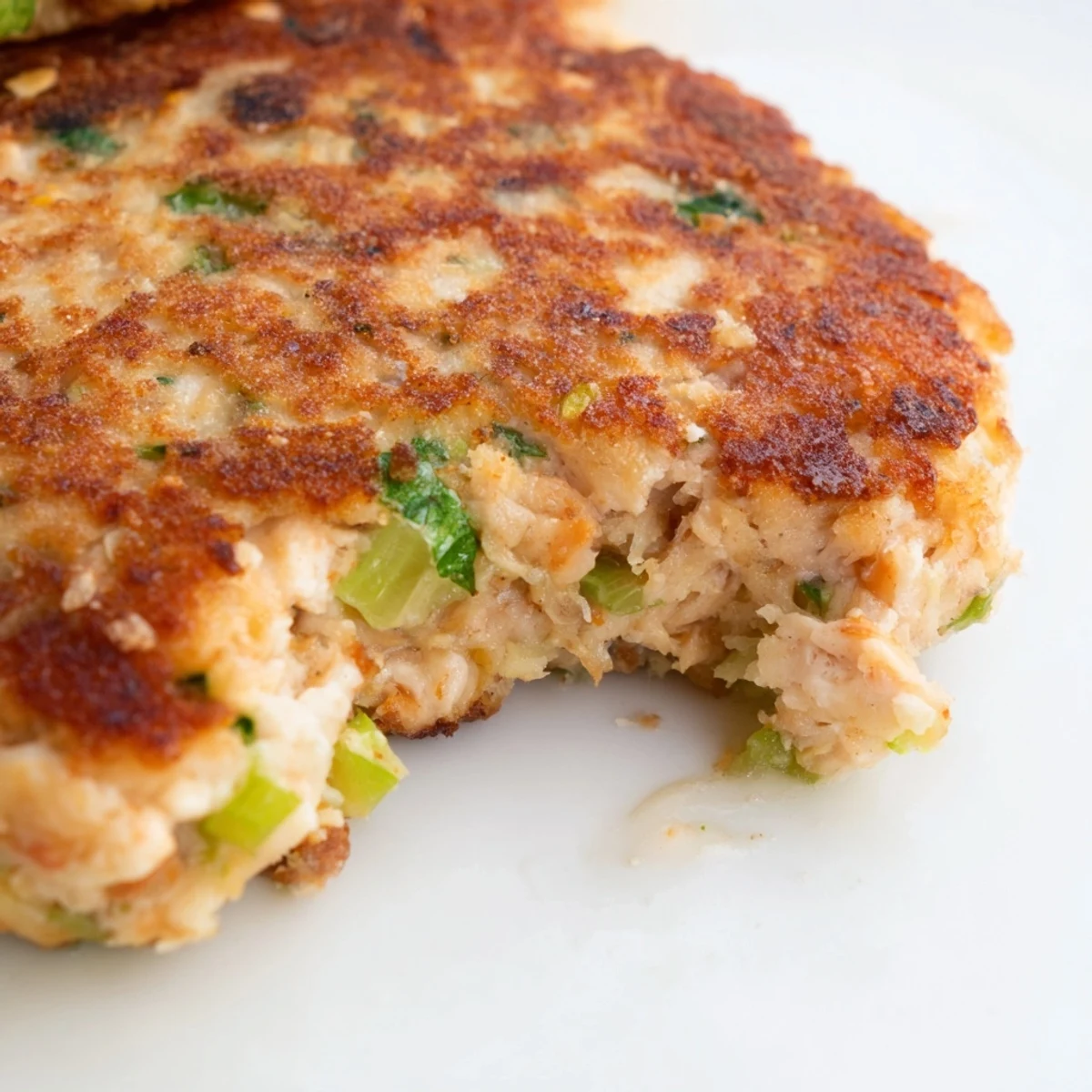
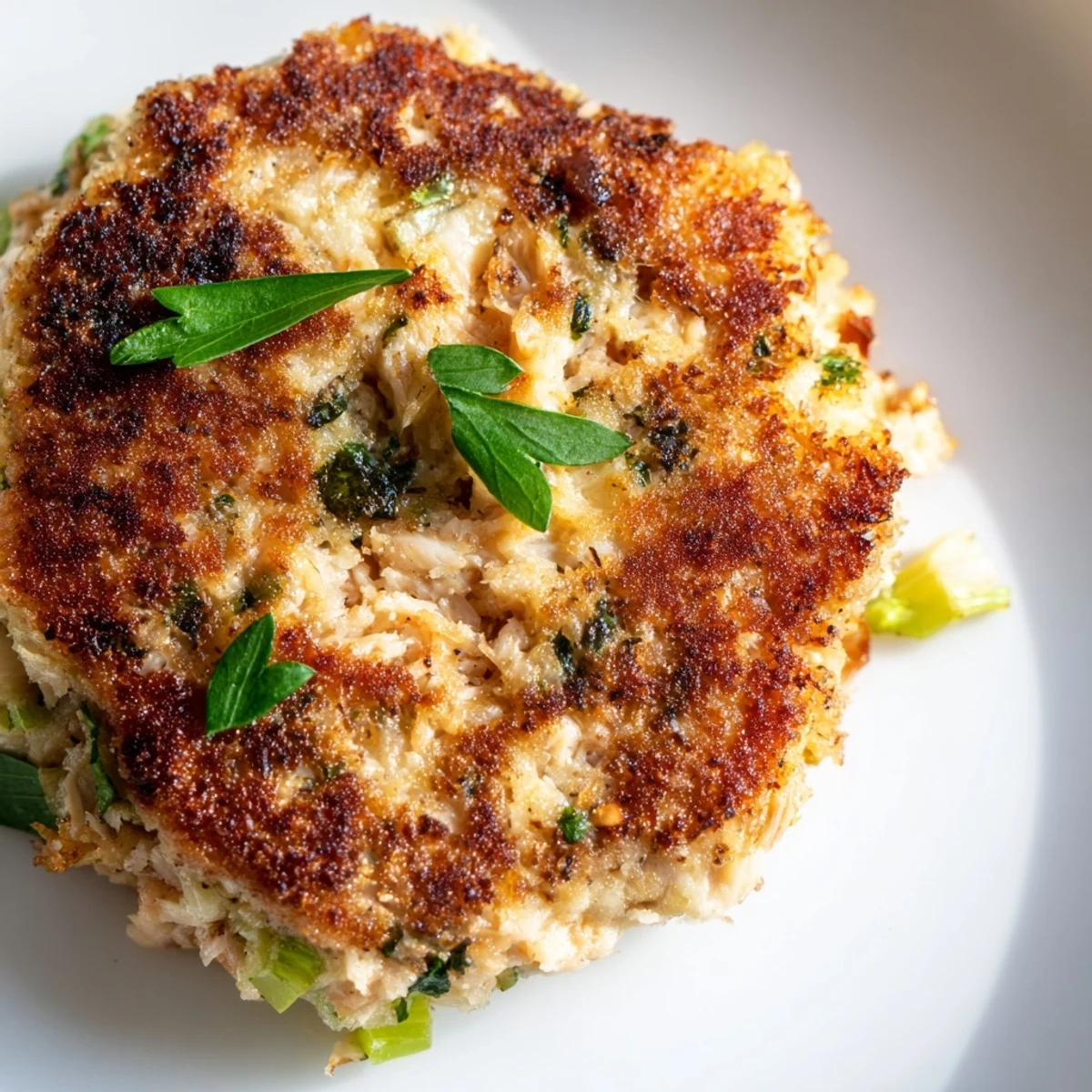
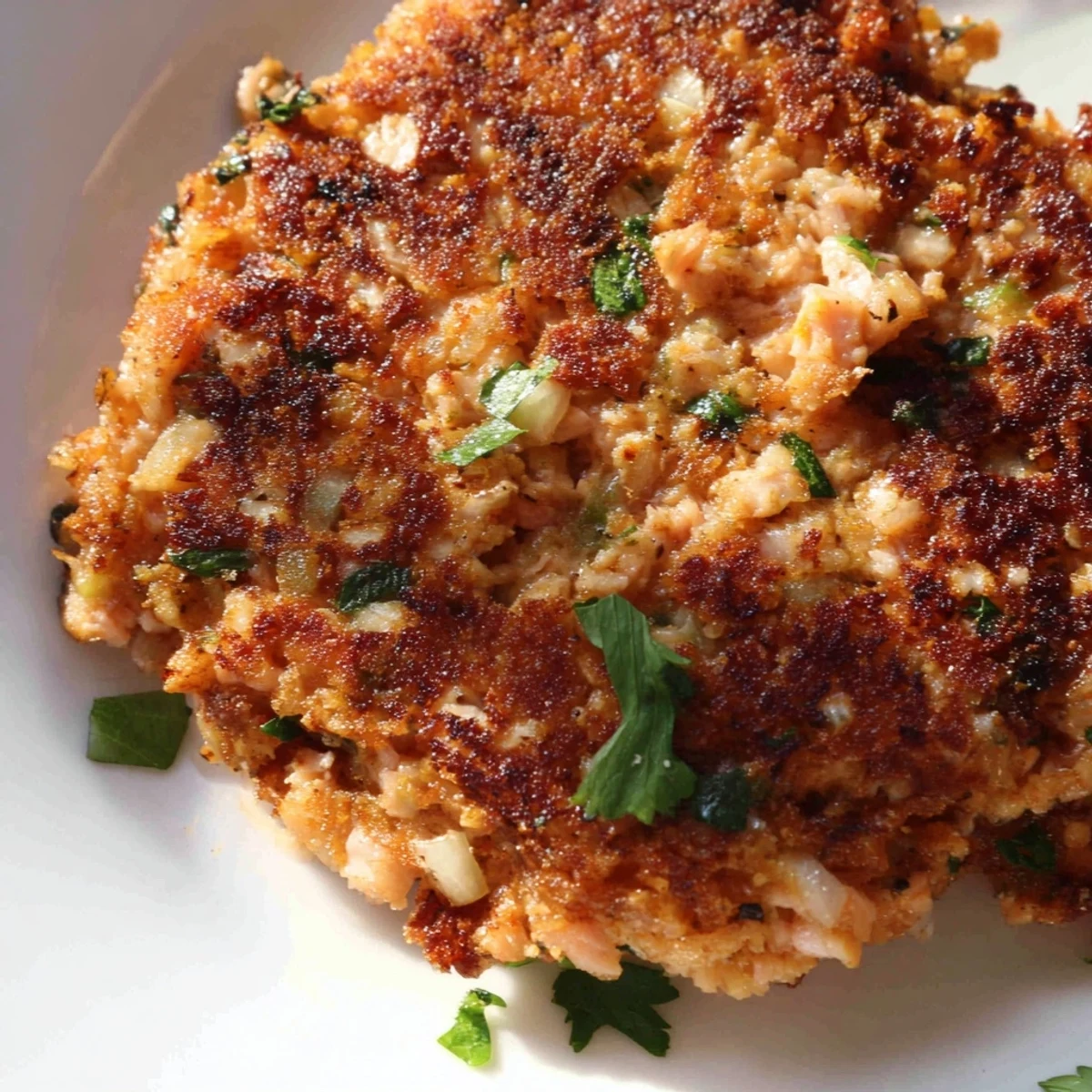
Save These golden salmon cakes deliver restaurant-quality flavor using budget-friendly canned salmon. The patties feature a perfect crispy exterior while remaining moist and tender inside, thanks to a thoughtful blend of breadcrumbs, eggs, and mayonnaise.
With just 15 minutes of prep and 10 minutes of cooking, you'll have eight satisfying portions ideal for dinner or entertaining. The combination of fresh vegetables, Dijon mustard, and Worcestershire sauce creates depth of flavor that elevates this humble pantry staple into something special.
My youngest daughter turned up her nose at canned salmon for years until I turned it into these crispy little cakes. Now she asks for them weekly and has started helping me form the patties. Theres something magical about transforming pantry staples into something that feels like a treat from a seaside restaurant. These salmon cakes have become our go-to when we need dinner fast but still want something special.
Last winter when we were snowed in for three days, these salmon cakes saved us from another round of frozen pizza. My neighbor texted asking what smelled so good and ended up coming over to try them. We ended up making a batch together while the kids played board games, and now its become a snow day tradition.
Ingredients
- 2 cans salmon: Drained well and flaked, this affordable protein becomes the star of the show
- 1/4 cup onion: Finely chopped so it disperses evenly and adds subtle sweetness
- 1/4 cup celery: Provides a gentle crunch and fresh flavor contrast
- 2 tablespoons parsley: Fresh herbs brighten the rich salmon and add beautiful color flecks
- 1 clove garlic: Minced finely to infuse every bite with aromatic depth
- 1/2 cup breadcrumbs: The essential binder that holds everything together perfectly
- 2 large eggs: Act as the glue that keeps patties from falling apart during cooking
- 2 tablespoons mayonnaise: Adds richness and helps create that tender interior texture
- 1 tablespoon Dijon mustard: Provides a gentle kick and complements the salmons natural flavor
- 1 teaspoon Worcestershire sauce: The secret ingredient that adds umami depth
- 1/4 teaspoon salt and pepper: Simple seasonings that let the salmon shine
- 2 tablespoons oil: Creates that gorgeous golden crust we all love
Instructions
- Mix the salmon base:
- Combine flaked salmon with onion, celery, parsley and garlic in a large bowl. Take your time to distribute everything evenly so each patty has consistent flavor.
- Prepare the binding mixture:
- Whisk eggs with mayonnaise, mustard, Worcestershire, salt and pepper until smooth. This creamy mixture is what keeps your salmon cakes tender.
- Combine everything:
- Add the egg mixture and breadcrumbs to your salmon. Stir gently until just combined. Overmixing makes dense cakes, so stop as soon as everything holds together.
- Form the patties:
- Scoop mixture and shape into 8 small patties about 2.5 inches wide. Press firmly but gently, handling them as little as possible for the best texture.
- Heat your pan:
- Warm oil in a large skillet over medium heat. You want it hot enough to sizzle immediately but not smoking.
- Cook to golden perfection:
- Place patties in the pan and cook 3-4 minutes per side. Wait for that beautiful golden brown crust before flipping. Transfer to paper towels to drain any excess oil.
 Save
Save My father-in-law swore he hated canned fish until he tried these at our summer cookout. He stood at the stove watching me make them and asked three times what was in them. Now he requests them every time they visit and has even started making them at home.
Make Them Your Own
Swapping parsley for dill or chives completely changes the character of these cakes. Sometimes I add a dash of Old Bay seasoning for a Chesapeake Bay vibe. During summer, fresh corn kernels cut from the cob add sweetness and crunch that people cant quite identify but absolutely love.
Serving Suggestions
We love these with a simple arugula salad dressed in lemon vinaigrette. The peppery greens cut through the richness perfectly. My husband prefers his on a toasted bun with lettuce and tomato, treating them like an upscale fish sandwich. For parties, smaller cakes make fantastic appetizers with a dollop of herbed Greek yogurt on top.
Storage and Meal Prep
Uncooked patties can be wrapped and frozen for up to three months. Cook them straight from frozen, adding an extra minute per side. I often double the recipe and freeze half for those nights when cooking feels impossible. Leftover cooked cakes reheat beautifully in a 350 degree oven for 10 minutes.
- Place wax paper between layers when freezing to prevent sticking
- Thaw frozen patties in the refrigerator overnight for best results
- Avoid microwaving leftovers or you will lose that perfect crispiness
 Save
Save These salmon cakes started as a pantry cleanup experiment and became one of those recipes I can trace memories to. Simple food made with love has a way of becoming part of your story.
Recipe Questions & Answers
- → Can I use fresh salmon instead of canned?
-
Yes, cook and flake about 12 ounces of fresh salmon, then let it cool completely before using in the mixture. You may need slightly less breadcrumbs since fresh salmon contains more moisture than canned.
- → Why are my salmon cakes falling apart?
-
The mixture might be too wet. Add more breadcrumbs, a tablespoon at a time, until the patties hold their shape. Also, chilling the formed patties for 15-20 minutes before cooking helps them stay together during frying.
- → What can I serve with salmon cakes?
-
These pair wonderfully with roasted vegetables, a fresh green salad, or creamy coleslaw. For sauce options, try tartar sauce, lemon aioli, or a simple squeeze of fresh lemon juice with dill.
- → Can I freeze uncooked salmon cakes?
-
Absolutely. Place formed patties on a baking sheet and freeze until solid, then transfer to a freezer bag. They'll keep for up to 3 months. Thaw overnight in the refrigerator before cooking.
- → How do I know when they're done cooking?
-
The salmon cakes should be golden brown on both sides and feel firm when gently pressed. The internal temperature should reach 145°F. Since the salmon is already cooked during canning, you're mainly heating them through and creating the crispy exterior.