
 Save
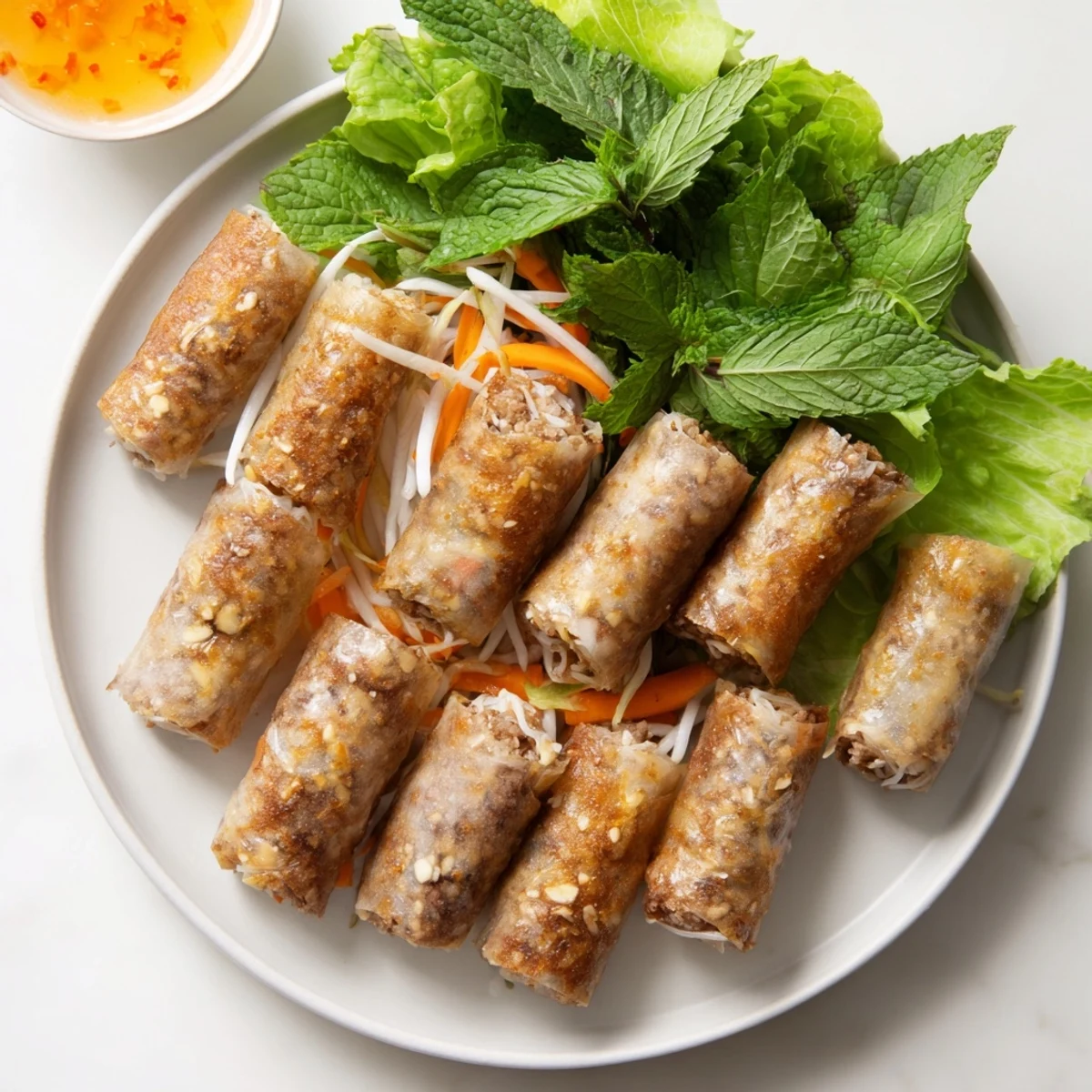
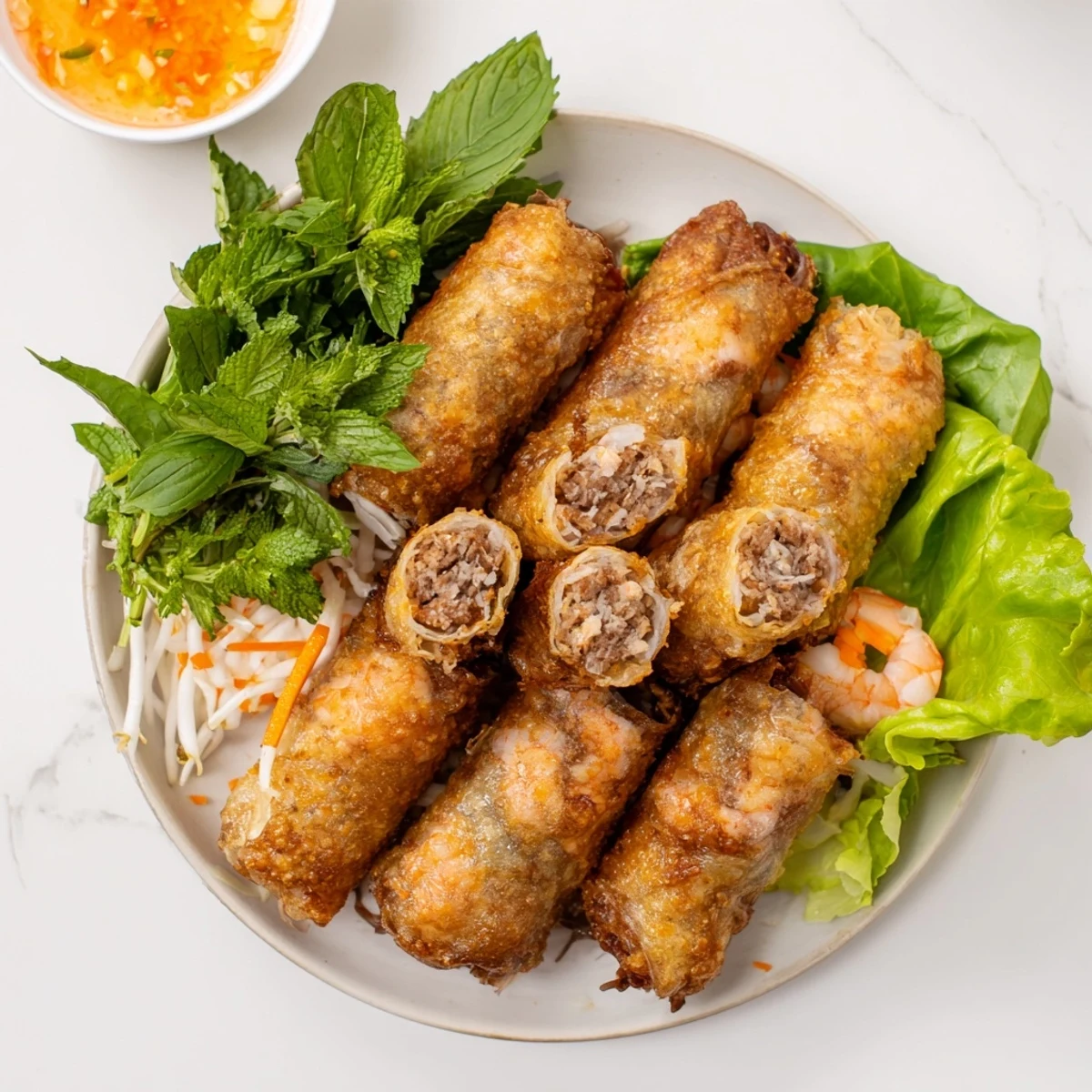
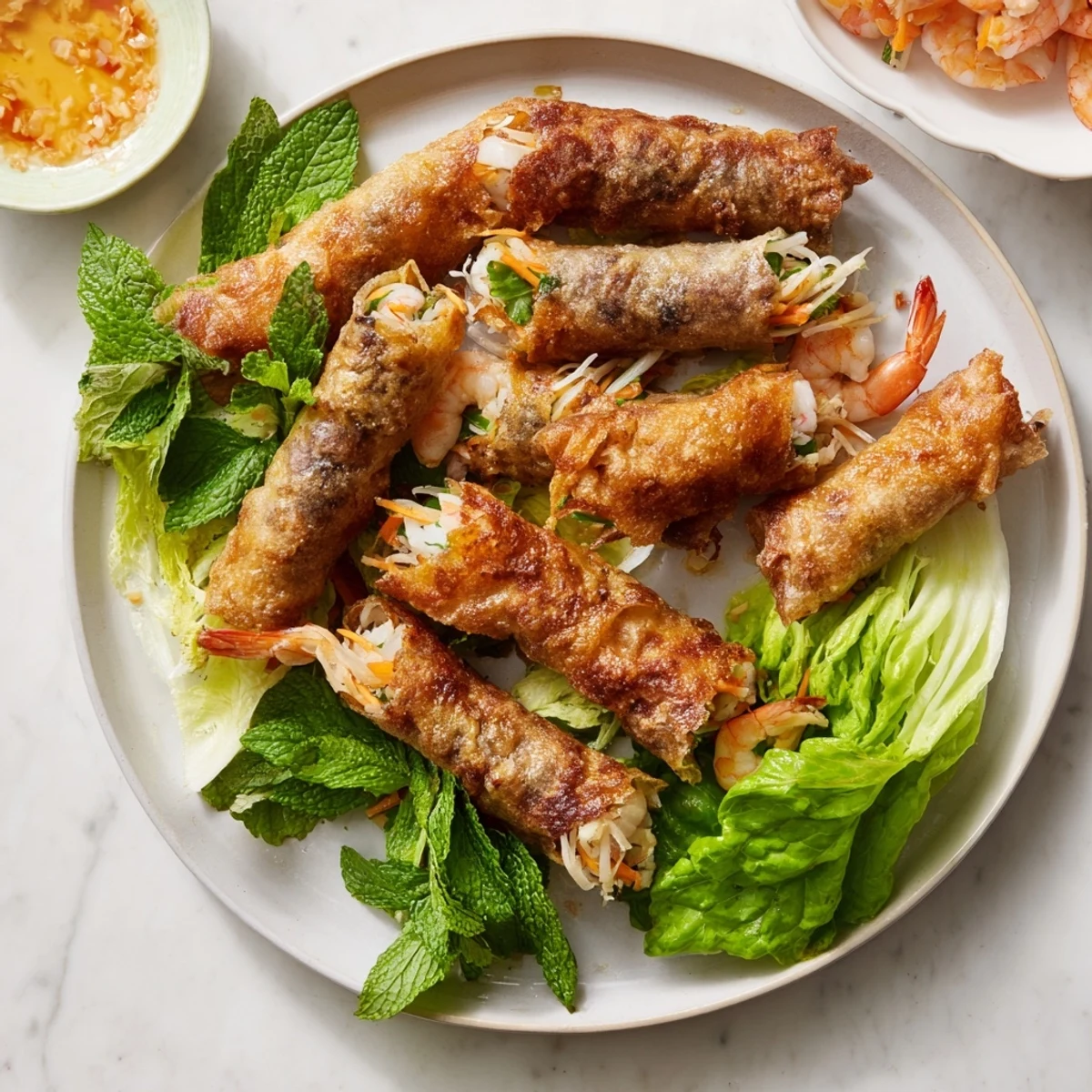
Save Create authentic Cha Gio with this traditional Vietnamese preparation. These golden, crispy rolls feature a savory filling of ground pork, fresh shrimp, soaked vermicelli noodles, and aromatic vegetables like grated carrot and wood ear mushrooms. Each roll is wrapped in delicate rice paper and deep-fried to achieve that signature shattering crunch.
The process takes about 55 minutes from start to finish and yields 20 rolls, perfect for sharing with 4-6 people. Serve them fresh from the fryer, wrapped in cool lettuce leaves with mint and Thai basil, alongside tangy Nuoc Cham dipping sauce for the complete Vietnamese experience.
The first time I attempted these crispy Vietnamese spring rolls, my kitchen counter was covered in rice paper wrappers that refused to cooperate. My aunt Mai watched me struggle with torn wrappers and filling escaping everywhere before finally stepping in to show me the gentle touch needed. Now, after countless family gatherings and Sunday afternoons spent rolling, these golden beauties have become the one dish everyone requests before they even walk through the door.
Last Tet celebration, I made sixty rolls the night before while watching old Vietnamese dramas with my mom. We laughed about how her grandmother would roll them so tightly they could stand on end, a skill I'm still trying to master. The next day, my cousins hovered around the frying pan like vultures, snatching rolls as soon as they hit the cooling rack.
Ingredients
- Ground pork: The fat content keeps the filling moist and rich, so avoid extra lean varieties
- Raw shrimp: Fresh shrimp gives the best texture, but frozen works if thawed completely and patted dry
- Dried vermicelli noodles: These absorb the flavorful juices and add a pleasant chewiness to every bite
- Carrot and taro or jicama: The secret crunch that contrasts perfectly with the soft pork and shrimp mixture
- Wood ear mushrooms: Earthy and slightly crisp, they're essential for that authentic texture and depth
- Rice paper sheets: Look for banh trang labeled 16cm, and handle them gently as some brands are more delicate than others
- Vegetable oil: Neutral oils like canola or grapeseed work best for high heat frying without overpowering the delicate filling
Instructions
- Mix the filling:
- Combine all filling ingredients in a large bowl and mix thoroughly with your hands until the pork and shrimp are evenly distributed and the mixture feels sticky and cohesive
- Soften the rice paper:
- Dip each sheet briefly in warm water for just 3 seconds, then lay it on a damp towel while you work, keeping unused sheets covered with a slightly damp cloth
- Roll with confidence:
- Place filling on the lower third, fold the bottom up tightly, fold in the sides like an envelope, then roll forward while applying gentle pressure to create a firm cylinder
- Heat the oil:
- Pour oil into your wok or deep skillet and heat to 170°C, or test by dropping in a small piece of rice paper which should immediately bubble and rise to the surface
- Fry to golden perfection:
- Carefully lower rolls into the hot oil and fry for 5 to 7 minutes, turning occasionally until they're evenly golden and sound hollow when tapped
- Serve with love:
- Drain briefly on paper towels, then arrange on a platter surrounded by fresh lettuce leaves and herbs for wrapping, with a bowl of Nuoc Cham alongside
 Save
Save These rolls became part of my proposal story, actually. I made them for my now husband the first time he came to meet my family, nervous tears and all, and he ate seven while trying to make polite conversation with my dad. Now every anniversary, we roll a batch together and he still cannot fold the sides as neatly as I can.
Perfecting Your Rolling Technique
The most common mistake is overstuffing the wrappers, which leads to tearing during frying or uneven cooking. A heaping tablespoon might look like too little, but the filling expands slightly and tight rolling ensures no oil seeps inside. Practice makes perfect, and even slightly ugly rolls will taste absolutely delicious.
Making The Ultimate Nuoc Cham
My mother adjusts the dipping sauce by taste rather than measurements, adding more lime for brightness or sugar to cut the sharp fish sauce. Letting the sauce sit for 30 minutes before serving allows the garlic to mellow and the flavors to marry into something greater than the sum of its parts.
Freezing And Future Planning
Uncooked spring rolls freeze exceptionally well for up to three months. Layer them between parchment paper in an airtight container, and fry them directly from frozen, adding a couple extra minutes to the cooking time.
- Fry frozen rolls at a slightly lower temperature to ensure the center heats through before the exterior browns
- Never refrigerate uncooked rolls as the rice paper will become tough and unpleasantly chewy
- Cooked rolls can be reheated in a 375°F oven for 10 minutes to restore some crispiness
 Save
Save There is something deeply satisfying about a platter of homemade Cha Gio disappearing while friends and family gather around, laughing and reaching for seconds. These rolls are more than appetizer, they are an invitation to slow down and share something made with care.
Recipe Questions & Answers
- → What makes Cha Gio different from other spring rolls?
-
Cha Gio features rice paper wrappers that become exceptionally crispy when fried, creating a delicate shatter texture. The filling combines pork and shrimp with soaked vermicelli noodles and vegetables, offering a distinct Vietnamese flavor profile enhanced by fish sauce and aromatics.
- → How do I prevent rice paper from tearing during wrapping?
-
Dip rice paper briefly in warm water for just 3 seconds—over-soaking makes it fragile. Place on a damp towel while working, fold tightly but gently, and keep rolled seams facing down until frying to seal properly.
- → Can I make Cha Gio ahead of time?
-
Yes, assemble rolls up to 4 hours before frying and store covered with damp towels. Freeze uncooked rolls for up to 2 weeks—thaw before frying. For best results, fry just before serving to maintain optimal crispiness.
- → What's the double-frying technique mentioned?
-
Fry rolls once until golden, drain and let cool for 5 minutes, then fry again for 1-2 minutes. This second fry removes remaining moisture, ensuring extra-crunchy texture that stays satisfying longer.
- → What can I substitute for taro or jicama?
-
Simply increase the amount of grated carrot, or use diced water chestnuts for similar crunch. Some cooks add finely diced cellophane noodles or bean sprouts for texture variation.
- → How do I know when the oil is ready?
-
Heat oil to 170°C (340°F)—a small piece of rice paper should bubble immediately. Use a kitchen thermometer for accuracy, or test with a wooden chopstick: steady bubbles around the tip indicate proper temperature.