
 Save
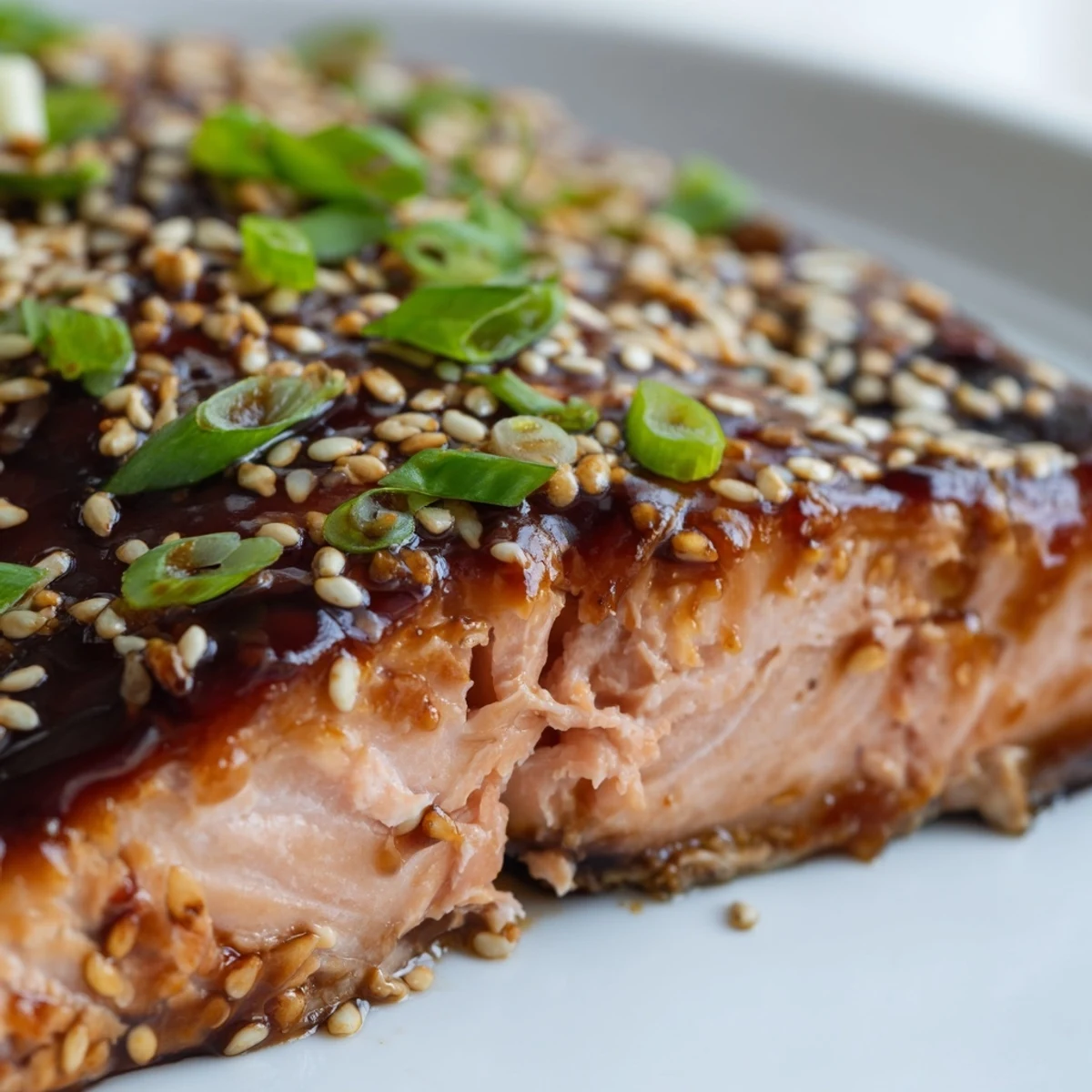
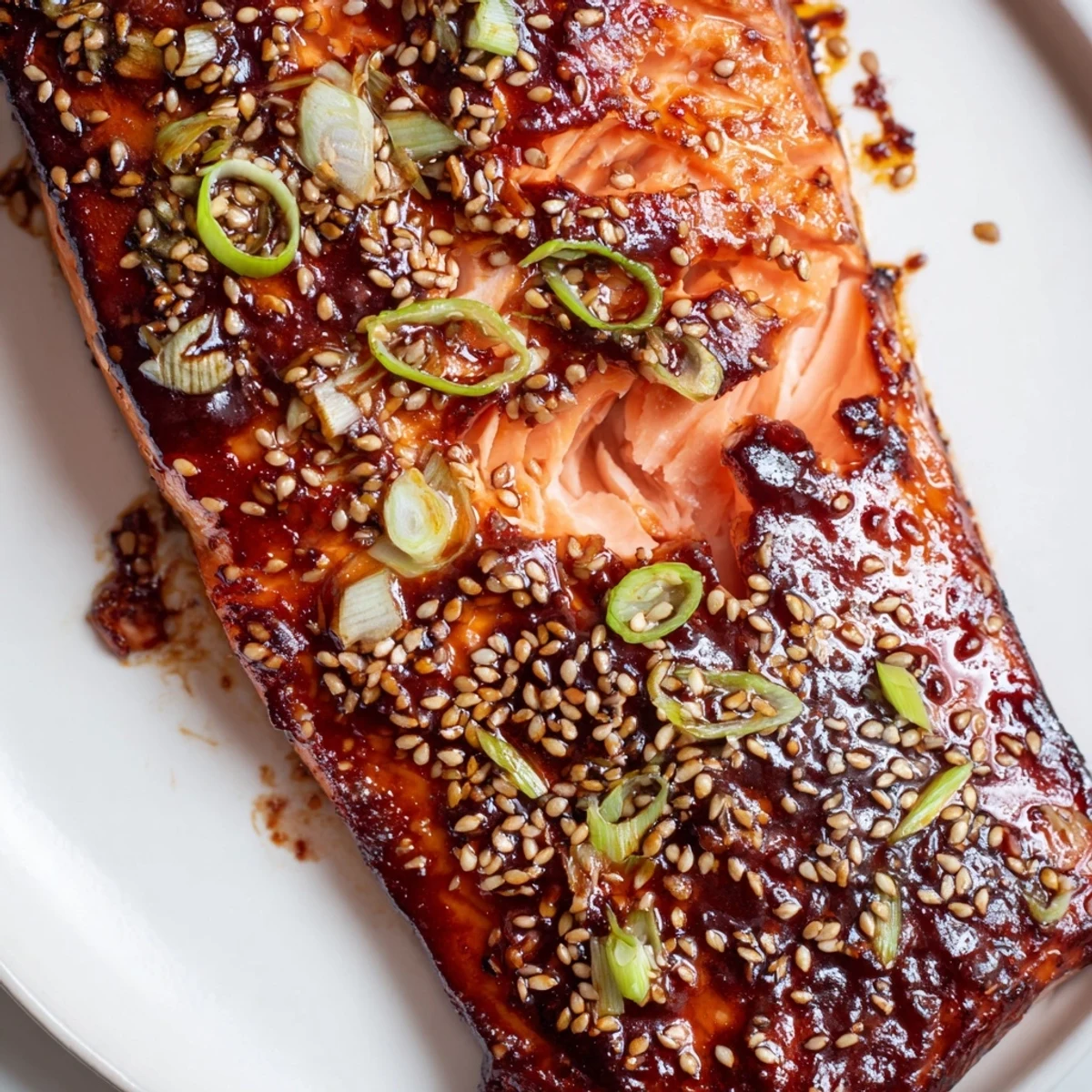
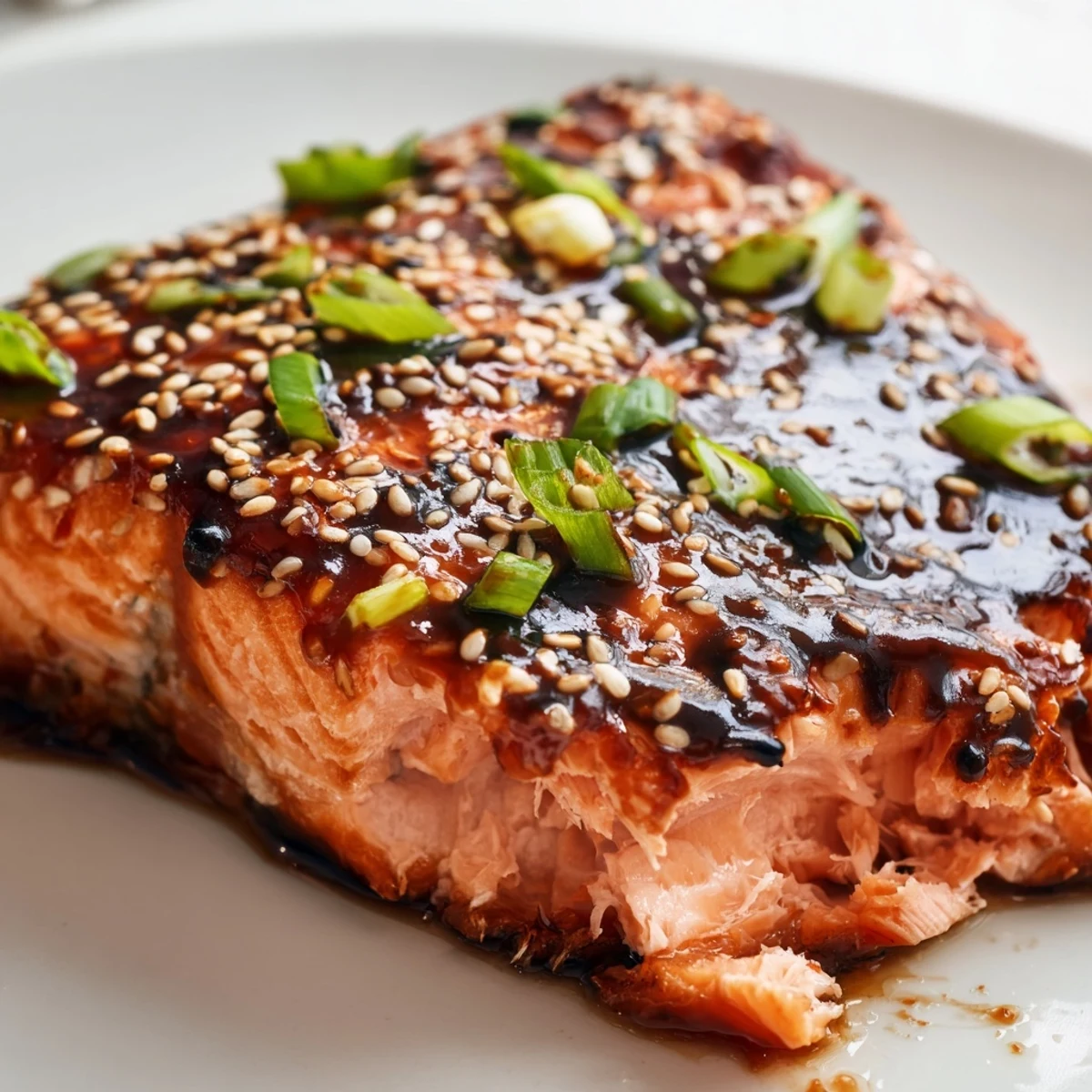
Save This baked Asian salmon brings together a rich, savory-sweet glaze made from soy sauce, honey, sesame oil, ginger, and garlic. The salmon fillets are brushed generously with the marinade and baked at 200°C for 15-18 minutes until flaky and tender.
With just 10 minutes of prep and simple pantry ingredients, it's an ideal weeknight meal that feels elevated without the effort. Serve it alongside steamed jasmine rice and sautéed vegetables for a complete, satisfying dinner.
Customize the heat level with sriracha, swap honey for maple syrup, or broil for the last two minutes for a caramelized, crispy finish.
The smell of sesame oil hitting a hot pan is one of those things that makes everyone in the house wander into the kitchen asking what is for dinner. This baked Asian salmon came into my life on a rainy Tuesday when the fridge was nearly empty except for a few salmon fillets and half a bottle of soy sauce. I threw together whatever condiments I could find and crossed my fingers. That dinner turned into the most requested meal in our house for the next three months straight.
My neighbor Karen knocked on my door one evening holding a plate of cookies and asked what that incredible smell was. I ended up inviting her in and we ate salmon straight off the baking tray standing in the kitchen. She now makes this recipe every single Friday and texts me photos of it.
Ingredients
- 4 salmon fillets about 170 g each: Skin on holds together better during baking but skinless works perfectly fine if that is what you have.
- 60 ml soy sauce: This is the salty backbone of the glaze and using a good quality one makes a real difference.
- 2 tbsp honey or maple syrup: The sweetness balances the salt and helps everything caramelize into a beautiful lacquered finish.
- 1 tbsp sesame oil: Just a small amount adds that unmistakable toasty depth people associate with great Asian cooking.
- 2 tbsp rice vinegar or lime juice: A little brightness cuts through the richness of the salmon and keeps the glaze from feeling heavy.
- 1 tbsp fresh ginger grated: Fresh ginger is non negotiable here and the powdered version simply will not give you the same zing.
- 2 cloves garlic finely minced: Garlic and ginger together are the dynamic duo that make this marinade sing.
- 1 tbsp sriracha or chili paste optional: Add this if you want a gentle warmth that tingles at the back of your throat without overpowering the dish.
- 1 tsp toasted sesame seeds: These are mostly for visual appeal but they also add a subtle crunch that makes each bite more interesting.
- 2 tbsp green onions finely sliced: Scattered on top at the very end they bring a fresh oniony pop that brightens every single plate.
Instructions
- Preheat and prepare your pan:
- Set your oven to 200 degrees Celsius which is 400 Fahrenheit and line a baking tray with parchment paper or foil for the easiest cleanup of your life.
- Whisk the glaze together:
- In a bowl combine the soy sauce honey sesame oil rice vinegar ginger garlic and sriracha if you are using it and whisk until the honey dissolves and everything looks unified.
- Coat the salmon:
- Lay the fillets on your prepared tray and spoon the marinade generously over each one making sure to get the sides too and save a small amount for drizzling later if you like.
- Let it rest briefly:
- Give the salmon about ten minutes at room temperature to soak up some of that flavor which honestly makes a bigger difference than you might expect.
- Bake until perfectly flaky:
- Slide the tray into the oven and bake for 15 to 18 minutes watching for the moment the fish flakes easily when you twist a fork in the thickest part.
- Finish and serve:
- Pull the salmon out drizzle any reserved marinade on top scatter the sesame seeds and green onions and serve immediately while the edges are still slightly caramelized.
 Save
Save The first time I served this to my family my youngest who usually pushes fish around the plate ate an entire fillet and asked for more. That moment alone was worth every minute spent figuring out the right balance of sweet and savory in this glaze.
What to serve alongside
Jasmine rice is the obvious choice because it soaks up every drop of the extra glaze that pools on the plate. A quick side of sauteed bok choy with a splash of soy sauce rounds everything out beautifully. I have also tossed this salmon over a big bowl of Asian slaw for a lighter dinner on warm evenings.
Making it your own
Maple syrup works just as well as honey if that is what is in your pantry and it gives a slightly deeper more autumnal sweetness. Coconut aminos can replace soy sauce entirely for anyone avoiding soy and the flavor stays remarkably close to the original. A squeeze of lime right at the end adds a tropical brightness that makes this feel like a completely different dish.
Storing and reheating leftovers
Leftover salmon keeps well in an airtight container in the fridge for up to two days and reheats gently in a low oven without drying out too badly. I actually love flaking cold leftover salmon over a salad the next day for lunch. A few things to keep in mind though.
- Do not microwave it at full power unless you enjoy the texture of shoe leather.
- The glaze will darken overnight in the fridge and that is completely normal.
- Always smell your leftover fish before eating because your nose knows best.
 Save
Save This is the kind of recipe that makes you look like you tried much harder than you actually did. Keep it in your back pocket for busy nights and last minute dinner guests alike.
Recipe Questions & Answers
- → Can I marinate the salmon ahead of time?
-
Yes, you can marinate the salmon for up to 30 minutes in the fridge. Avoid marinating longer than that, as the acidity from the rice vinegar can start to break down the fish and affect its texture.
- → How do I know when the salmon is done baking?
-
The salmon is ready when it flakes easily with a fork and appears opaque throughout. For fillets around 170 g, this typically takes 15-18 minutes at 200°C (400°F). The internal temperature should reach 63°C (145°F) for perfectly cooked fish.
- → Can I make this gluten-free?
-
Absolutely. Simply swap regular soy sauce for a gluten-free soy sauce or tamari. Coconut aminos also work as a soy-free alternative. Always double-check labels on all ingredients to confirm they are gluten-free.
- → What side dishes pair well with baked Asian salmon?
-
Steamed jasmine rice, sautéed bok choy, or an Asian-inspired slaw complement the flavors beautifully. Sautéed green beans, stir-fried noodles, or a simple cucumber salad also work wonderfully alongside this dish.
- → Can I use frozen salmon fillets?
-
Yes, but thaw them completely in the refrigerator overnight before using. Pat the fillets dry with paper towels before applying the marinade to ensure the glaze adheres properly and the fish bakes evenly.
- → How can I get a crispier top on the salmon?
-
After baking, switch your oven to broil and cook for an additional 2 minutes. Keep a close eye on it to prevent burning. This creates a beautifully caramelized, slightly crispy glaze on top of each fillet.